Here are today’s most important updates from the realm of Science and Space.
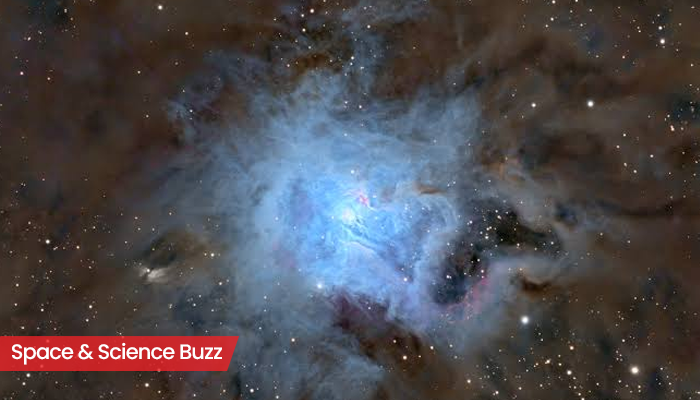
NASA Shares Breathtaking Image of Blue-Pink Cosmic Blossom
A glowing cloud in space that looks like a soft blue and pink flower is catching the attention of scientists and skywatchers. This cloud is called Caldwell 4, also known as the Iris Nebula or NGC 7023. It is special because it does not make its own light but shines by reflecting the light of a nearby star, reported NASA. Most nebulae visible in the night sky are emission nebulae. These are vast clouds of dust and gas that produce their own light due to their extreme heat. In contrast, Caldwell 4 is a reflection nebula, meaning its colour is created by the scattered light of the star at its center.
Planetary Parade 2026: When and How to Watch the Rare Alignment

Skywatchers are in for a special treat this month as six planets will appear together in the evening sky. Instead of the usual two or three, people may get a chance to see a rare "planetary parade" shortly after sunset on February 28. According to NASA, Mercury, Venus, Neptune, Saturn, Uranus, and Jupiter will appear aligned in the sky. The space agency says these planets can be seen just after sunset throughout February, but their alignment will be best toward the end of the month. If the weather is clear, only four of the six planets will be visible to the naked eye. Uranus and Neptune will require binoculars or a telescope. Even Mercury can sometimes be difficult to see.
Indian Scientists Build Zinc Battery With Near-Perfect Retention
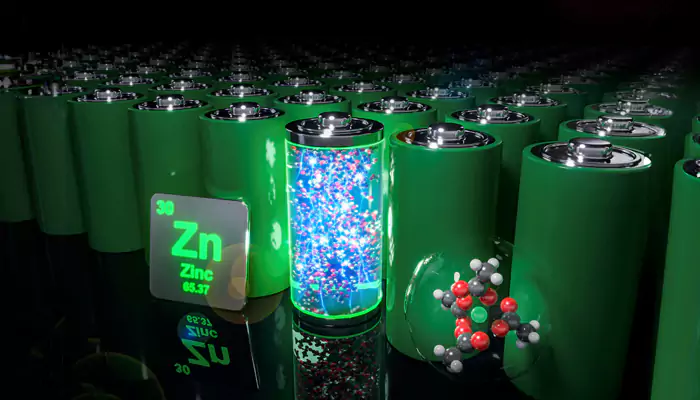
Researchers at the Centre for Nano and Soft Matter Sciences (CeNS) have developed a new battery material that could make renewable energy storage safer, cheaper and more reliable. The research focuses on aqueous zinc-ion batteries, a new type of battery that uses water-based solutions instead of flammable chemicals. Because of this, they are considered safer and more environmentally friendly than many batteries used today. Zinc is also widely available and affordable, making it a strong candidate for storing electricity generated from solar panels and wind turbines.
Four Astronauts, One Lunar Journey: NASA Targets March 6 Liftoff
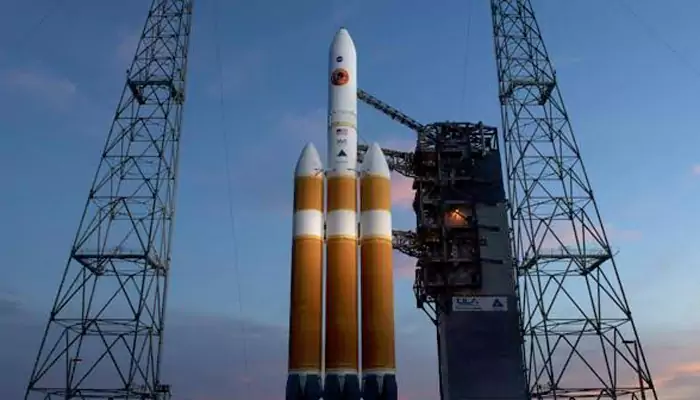
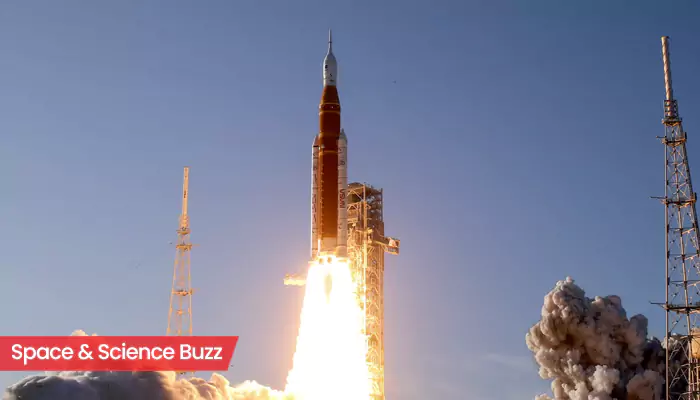
The United States is set to take a major step back toward the Moon. Nasa has confirmed that it is targeting March 6, 2026, for the launch of its next crewed lunar mission after completing a crucial wet dress rehearsal and resolving earlier fuel leaks detected during testing. The wet dress rehearsal, a full-scale practice countdown that includes loading the rocket with super-cold propellants, was completed successfully this week. Engineers had previously identified hydrogen leaks during the first wet test, prompting a delay and an extensive technical review.