Here are today’s most important updates from the realm of Science and Space.
NASA’s New Image Showcases the Grandeur of a Spiral Galaxy
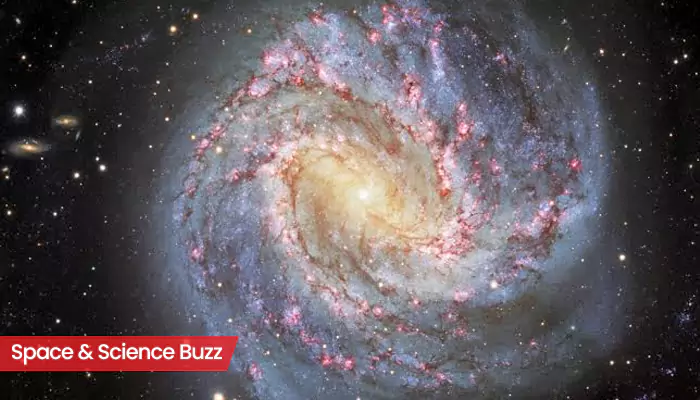
An image of the galaxy M101 (Pinwheel Galaxy) has been captured by NASA, showing its vast size and intricate structure in stunning detail. The image highlights the beauty of this spiral galaxy and offers a closer look at its stars, dust, and gas.
This image of M101, also known as the Pinwheel Galaxy, is one of the largest images ever taken of a spiral galaxy by the Hubble Space Telescope. It was created by combining 51 separate images taken in various studies over a period of about ten years, reported NASA. The final image includes both infrared and visible light and measures 16,000 × 12,000 pixels. Ground-based images were used to fill in the areas Hubble couldn't see.
Space Farming Breakthrough: Waste May Fertilize Alien Worlds
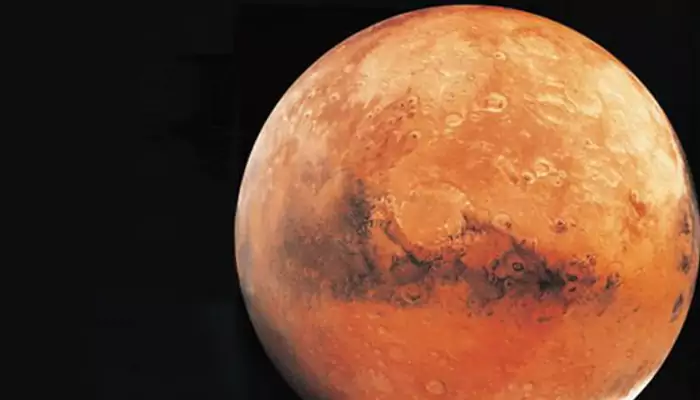
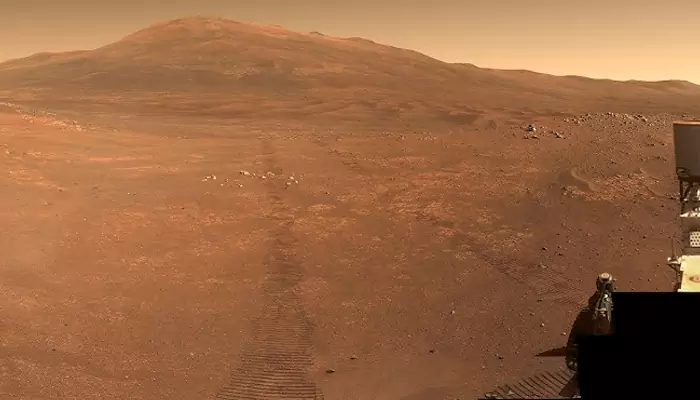
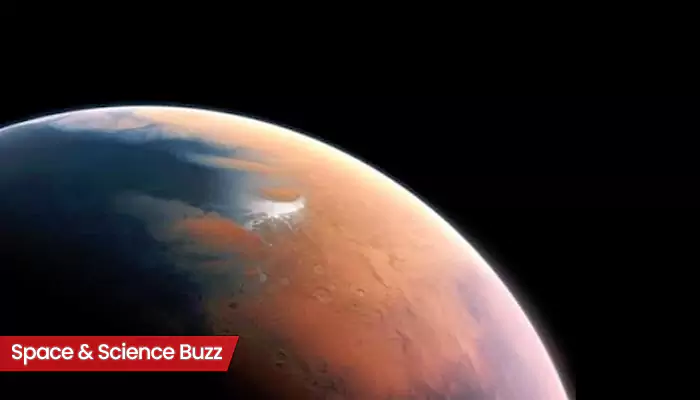
Scientists are planning to make colonies in space. To achieve that ultimate goal, the scientists have made a groundbreaking discovery that could pave the way for sustainable food production on the barren surface of Mars and the Moon. In a study published in ACS Earth and Space Chemistry, researchers analysed whether regolith can become nutrient-rich enough to support plant growth later. "In lunar and Martian outposts, organic wastes will be key to generating healthy, productive soils," explained Harrison Coker of TAMU's Department of Soil and Crop Sciences, who is also the first author on the study. "By weathering simulant soils from the moon and Mars with organic waste streams, it was revealed that many essential plant nutrients can be harvested from surface minerals.”
Life’s Recipe Found Beyond Earth in Stunning Discovery
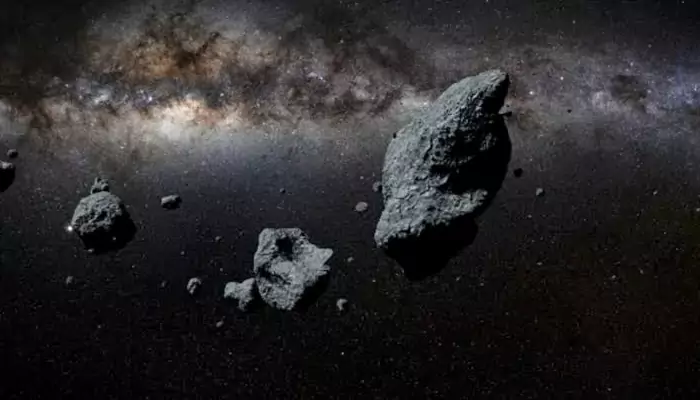
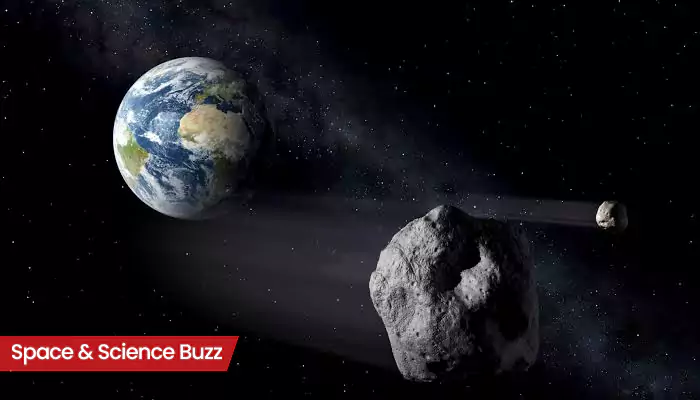
In a discovery with profound implications for the origin of life, scientists have found all the "letters of life" in an asteroid sample. An analysis of two tiny samples from Asteroid Ryugu, a 900-metre carbon- and water-rich asteroid discovered in 1999, has yielded a fascinating first-of-its-kind finding. All five nucleobases, the building blocks of DNA and RNA, the genetic material of living organisms, have been found in these two samples, returned to Earth aboard Japan's Hayabusa2 spacecraft in December 2020. There is a strong possibility of ammonia, malic acid and urea driving the formation of the letters of life on the asteroid.
33 Million Tonnes of CO₂: The Hidden Climate Toll of War
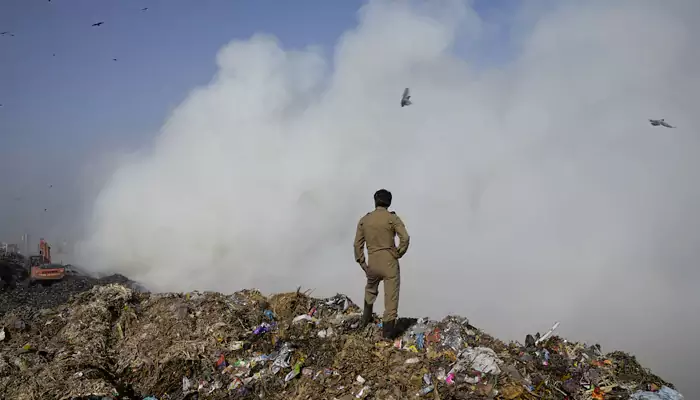
A recent study has revealed that the ongoing Israel-Gaza War has produced an estimated 33 million tonnes of carbon dioxide equivalent (Carbon Dioxide), highlighting the often ignored environmental cost of armed conflicts. To put the scale into perspective, the emissions are equal to the total carbon output of Jordan in 2024. They are also comparable to the yearly emissions from 7.6 million petrol cars or the amount of carbon absorbed by over 33 million acres of forests in one year. The study found that active fighting alone generated more than 1.3 million tonnes of Carbon Dioxide. This includes emissions from artillery, rockets and other military equipment. In addition, building defensive structures and reconstructing damaged roads, homes and infrastructure have added significantly to the carbon footprint.