Powders, pulses, and the great health hustle: what your local fishmonger knows that the fitness influencers don't.
I was staring at a towering bill...

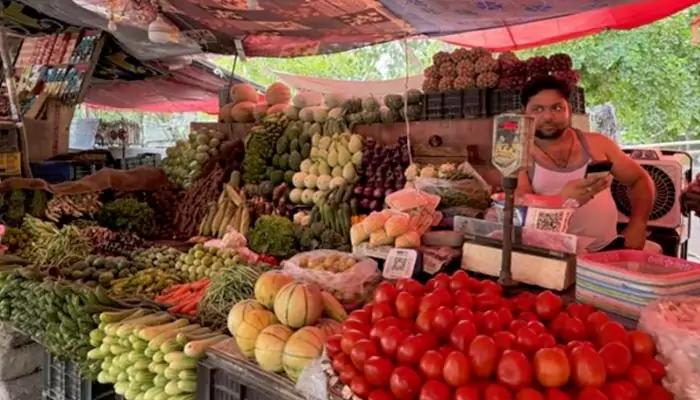
One week, tomatoes look ordinary. Next, the sabzi bill feels oddly aggressive. Somewhere between blistering highways, wilting spinach and overheated trucks, summer quietly enters the kitchen. The heatwave is no longer just a weather story. Vegetable prices across parts of Mumbai Metropolitan Region jumped nearly 50% this week after prolonged heat disrupted supply chains and damaged crops, according to local traders and wholesale market reports. Bengaluru and Andhra Pradesh have reported similar trends in recent days, with tomatoes, leafy vegetables and beans becoming noticeably costlier after intense summer conditions slowed production and increased spoilage during transport. That’s the thing about heatwaves. They do not stay politely inside weather apps. Why vegetables react so quickly Unlike packaged food, vegetables are fragile, impatient little things. Excessive heat dries crops faster, damages yields and shortens shelf life during transport. Tomatoes soften. Leafy greens wilt halfway through the journey. Even onions and grapes struggle ...

One week, tomatoes look ordinary. Next, the sabzi bill feels oddly aggressive. Somewhere between blistering highways, wilting spinach and overheated trucks, summer quietly enters the kitchen. The heatwave is no longer just a weather story. Vegetable prices across parts of Mumbai Metropolitan Region jumped nearly 50% this week after prolonged ...

One week, tomatoes look ordinary. Next, the sabzi bill feels oddly aggressive. Somewhere between blistering highways, wilting spinach and overheated trucks, summer quietly enters the kitchen. The heatwave is no longer just a weather story. Vegetable prices across parts of Mumbai Metropolitan Region jumped nearly 50% this week after prolonged ...

One week, tomatoes look ordinary. Next, the sabzi bill feels oddly aggressive. Somewhere between blistering highways, wilting spinach and overheated trucks, summer quietly enters the kitchen. The heatwave is no longer just a weather story. Vegetable prices across parts of Mumbai Metropolitan Region jumped nearly 50% this week after prolonged ...



























buzztribe.news is our initiative through which we wish to create a journalistic impact that acts as the foundation of an informed and happy society. In a world that’s changing fast, joy is fleeting, and the news is disturbing, we bring you your daily dose of buzzworthy news that has the “joy of knowledge” and the “happiness in truth” at its core.
More from Buzztribe News
Get in Touch
39A,
Shanti Kunj Main, Sector D,
Vasant Kunj,
New Delhi
110070
India