Here are today’s most important updates from the realm of Science and Space.
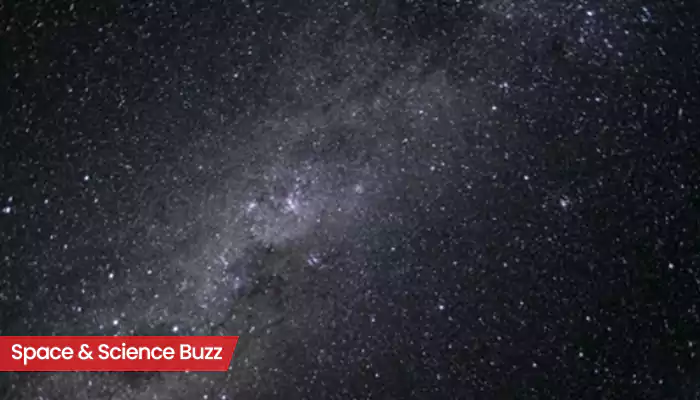
A ‘Heavenly’ Glimpse: NASA Shares Milky Way From Space
The Artemis II astronauts on Tuesday (April 7) captured a breathtaking view of our galaxy, the Milky Way, stretching across deep space. The image, which was taken after a successful lunar flyby, shows a starfield filled with thousands of stars and shining clouds of dust. "The Milky Way's elegant spiral structure is dominated by just two arms wrapping off the ends of a central bar of stars," NASA wrote as the caption, describing the magical Milky Way. "Spanning more than 100,000 light-years, Earth is located along one of the galaxy's spiral arms, about halfway from the center.”
Volcano Alert: One of the World’s Most Dangerous Is Reactivating
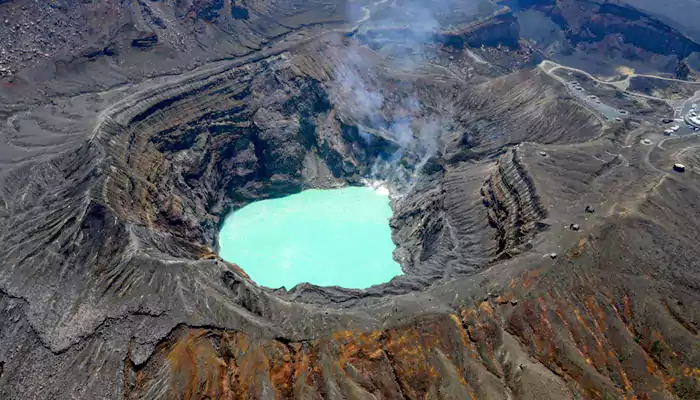
A powerful underwater volcano near Kyushu is slowly refilling with magma, according to a new study, raising fresh questions about the future risks posed by one of Earth's most explosive volcanic systems. The Kikai Caldera triggered the massive Akahoya eruption around 7,300 years ago, the largest known eruption of the Holocene period. Scientists estimate it released about 160 cubic kilometres of material, far exceeding eruptions such as Novarupta in 1912 and Mount Pinatubo. However, the magma now present appears to be newly injected rather than leftover material. Scientists also confirmed the gradual formation of a lava dome over the past 3,900 years, indicating ongoing volcanic activity.
Scientists Warn Summers Are Getting Longer at Alarming Speed

Summer weather is arriving earlier, lasting longer and packing more heat than it used to and it's happening faster than scientists had previously measured. A new study by UBC researchers has found that between 1990 and 2023, the average summer between the tropics and the polar circles grew about six days longer per decade. That's up from roughly four days per decade found in past research investigations up until the early 2010s. The study's findings have implications for agriculture, water supply, public health and energy systems, many of which have been built around assumptions about when the warm season begins and ends.
Deep-Sea Discovery Resembles a ‘Yellow Brick Road’
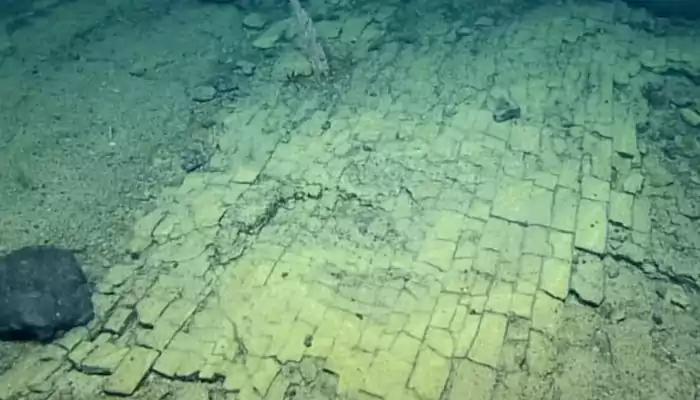
An expedition to a deep-sea ridge, just north of the Hawaiian Islands, revealed a surprise back in 2022: an ancient dried-up lakebed paved with what appears to be a yellow brick road. The exploration vessel Nautilus discovered the eerie scene while surveying the Liliʻuokalani ridge in Papahānaumokuākea Marine National Monument (PMNM). PMNM is one of the largest marine conservation areas in the world, larger than all the national parks in the US combined, and we've only explored about 3 percent of its seafloor. Despite being located under about a thousand meters of ocean, the lakebed discovered by researchers on the summit of the Nootka seamount looked surprisingly dry.