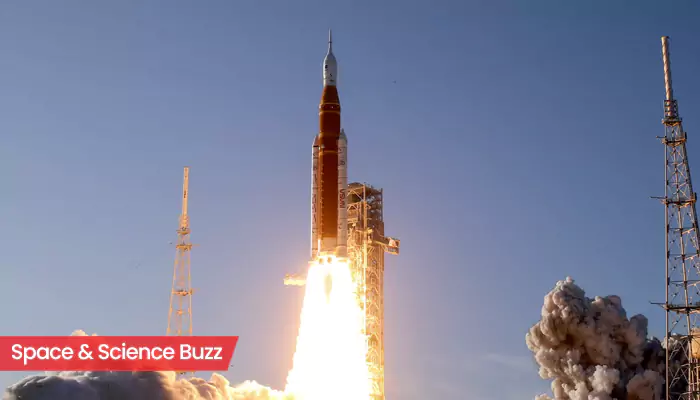

Here are today’s most important updates from the realm of Science and Space.
Harbinger Satellite Signals Success as Bellatrix Establishes Link
Indian space propulsion startup Bellatrix Aerospace has announced a successful early milestone for its newly launched satellite, Harbinger, confirming that the spacecraft has established communication and begun transmitting data from orbit. In a statement shared shortly after launch, the company said, we have signal! revealing that Harbinger successfully “spoke back” to ground stations during its very first orbital pass. The satellite, launched aboard a Falcon 9 rocket as part of SpaceX’s Transporter-16 rideshare mission, is currently operating at an altitude of around 510 km above Earth. Harbinger is a technology demonstration satellite designed to validate key in-orbit systems and propulsion technologies developed by Bellatrix. Such missions are critical because space conditions cannot be fully replicated on Earth, making real-time orbital data essential for testing performance, reliability, and system behaviour.
Study Says Minor Habits Can Make a Major Health Difference

Making small improvements to your sleep, diet and exercise habits each day could reduce your risk of serious heart problems, according to new research from the University of Sydney. The study, which followed 53,242 people with an average age of 63 over eight years, found that adding just 11 more minutes of sleep, an extra four and a half minutes of moderate-to-vigorous physical activity, and an additional quarter cup of vegetables per day was linked to a 10 per cent reduction in the risk of major cardiovascular events, including heart attacks, strokes and heart failure.
SpaceX Starlink Satellite Seen Disintegrating in Orbit

A SpaceX Starlink satellite has broken apart in space, prompting investigations into what caused the rare on-orbit anomaly. The incident, involving Starlink satellite 34343, occurred at an altitude of approximately 560 km above Earth. According to initial updates from the Starlink team, the satellite experienced an “anomaly on-orbit” that led to a complete loss of communication. Subsequent analysis confirmed a fragmentation event, meaning the satellite broke into multiple pieces while in space. Tracking firms, including LeoLabs, were among the first to detect and characterise the event. Authorities also confirmed that the event did not impact SpaceX’s Transporter-16 rideshare mission, launched around the same time.
Scientists Discover Drug Mix That May Support Weight Loss
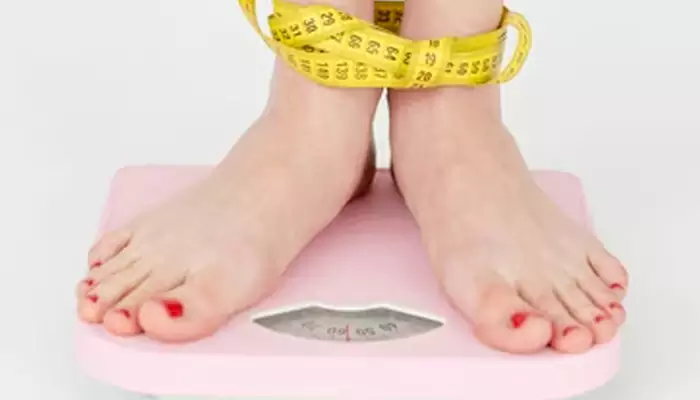
A new study suggests that combining a popular weight-loss drug with menopausal hormone therapy could significantly improve outcomes for older women struggling with weight gain during midlife. Researchers at the Mayo Clinic and Wayne State University analyzed health data from 120 women, mostly White and in their 50s, who were using tirzepatide, a GLP-1 based medication sold under the brand names Zepbound or Mounjaro. Of those, 40 were also taking menopausal hormone therapy alongside the drug, while 80 used tirzepatide alone. Their health was tracked for an average of 18 months. Researchers are now planning a randomised controlled trial to confirm the findings and explore whether the combination also improves broader heart and metabolic health.