
Here are today’s most important updates from the realm of Science and Space.
Digital Attacks Now Pose Physical Risks to Humans
Cyber attacks are no longer confined to stealing data but are increasingly threatening human lives by targeting critical infrastructure, a senior cybersecurity expert has warned. Gaurav Shukla, Partner and Leader for Cyber at Deloitte South Asia, said the growing convergence of Information Technology and Operational Technology has significantly widened the attack surface, leaving sectors such as aviation, healthcare, transport and public utilities dangerously exposed. Rapid digital transformation in recent years has handed attackers far greater opportunity to cause disruption.
April Nights Get Magical With Stunning Celestial Events
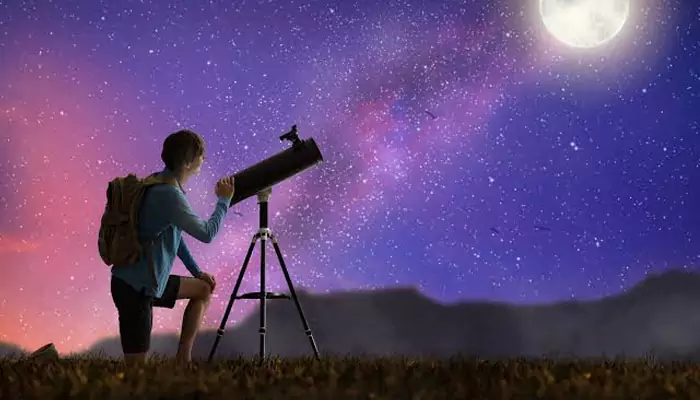
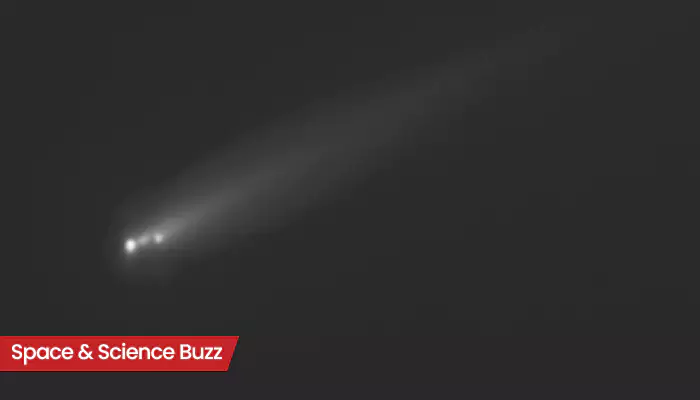
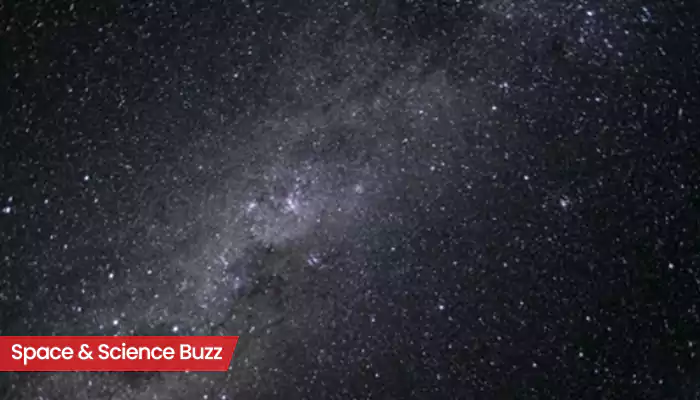
The night sky in April is set to offer several exciting sights for stargazers, from a bright full moon to a rare alignment of planets and a meteor shower. The month brings multiple opportunities to observe celestial events, making it an ideal time for skywatching. April begins with a full moon, known as the "Pink Moon." However, despite its name, the moon doesn't appear pink. It's named after the seasonal wildflowers that bloom in eastern North America at this time. Comet C/2026 A1 (MAPS) will reach its closest approach to the Sun on April 4th. It may either break up or appear brighter during its approach. Before sunrise between April 16 and 23, a rare group of planets will appear in the sky. Mercury, Mars, and Saturn will appear close together near the eastern horizon. April 17 will offer the most favourable conditions for stargazing, especially for viewing the Milky Way.
Old Supernova, New Discoveries: NASA’s Latest Breakthrough
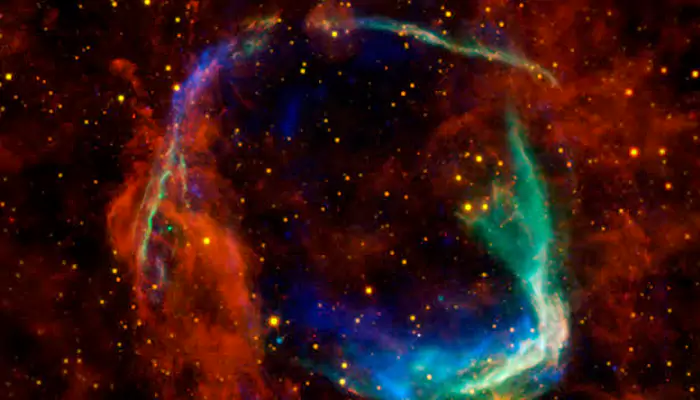
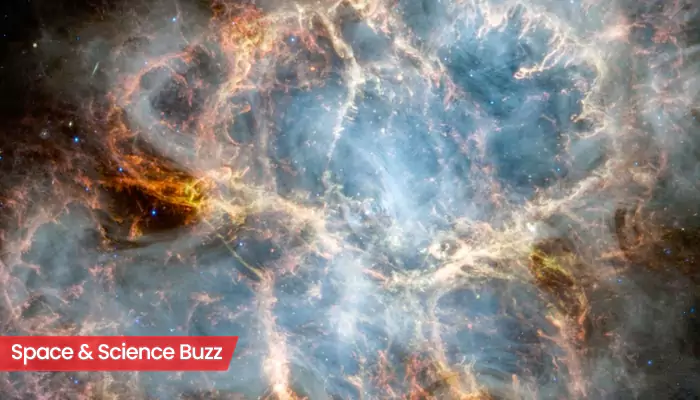
Scientists have gained fresh understanding of a distant supernova after a new observation by NASA. The NASA mission Imaging X-ray Polarimetry Explorer (IXPE) has studied the supernova RCW 86, adding new details to what earlier telescopes had already found, reported NASA. Astronomers previously observed RCW 86 using the Chandra X-ray Observatory, revealing a large cavity-like region surrounding it. This low-density region caused the supernova to expand faster than normal. Scientists believe this cavity may be one reason behind its distinctive shape.
Extra Minutes in Bed May Lower Heart Attack Risk
A major study of over 53,000 adults has found that sleeping just 11 minutes more, walking an extra few minutes, and eating slightly more vegetables each day can reduce the risk of heart attacks and strokes by 10 per cent, with larger lifestyle changes cutting the risk by up to 57 per cent. Getting a little more sleep, moving slightly more, and eating a few extra vegetables each day could meaningfully reduce the risk of heart attacks and strokes, according to new research. The optimal combination involved sleeping eight to nine hours per night, completing more than 42 minutes of moderate-to-vigorous physical activity per day, and maintaining a good diet.