Here are today’s most important updates from the realm of Science and Space.
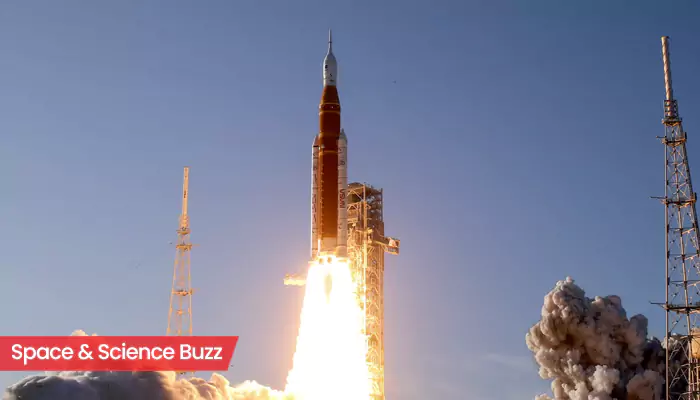
Moon Mission Milestone: Artemis II Astronauts Secure Orbit Successfully
NASA's crew of astronauts launched to space and reached a stable orbit, kicking off a landmark journey that will take them closer to the lunar surface than anyone has been in more than 50 years. The initial phase of the 10-day mission to lap the moon, a multibillion-dollar feat about a decade in the making, clears a major hurdle for NASA and its legacy aerospace contractors as the agency works to establish a base on the lunar surface and ultimately venture to Mars. The crew's Lockheed Martin Corp.-built Orion capsule, stacked on the shoulders of Boeing Co.'s Space Launch System rocket, thundered off the launchpad at 6:35 p.m. local time at Kennedy Space Center in Florida.
After Earthquake, Unusual Lights Spark Curiosity in the Sky
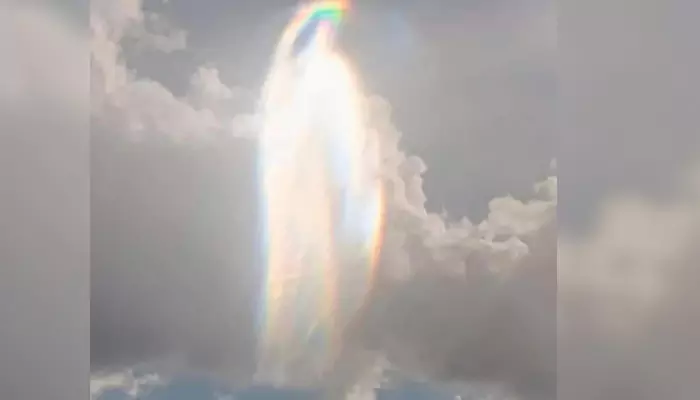
In late March 2026, photos and videos of glowing vertical beams lit up social media after small earthquakes shook parts of the Aegean Sea near Turkey and Greece, lasting until April 1. Many people wondered if the shining, colourful pillars were real. Scientists say these are earthquake lights; a rare but documented natural event. People have reported them for hundreds of years, but they are very uncommon, with only a few quakes ever producing them. In the recent Aegean Sea tremors, the lights appeared as striking beams over coastal areas, sparking viral posts and wild guesses. Some guessed the lights as angels, some as special effects in a simulation of a world.
Day Turns Crimson: Sahara Dust Paints Europe’s Sky Red
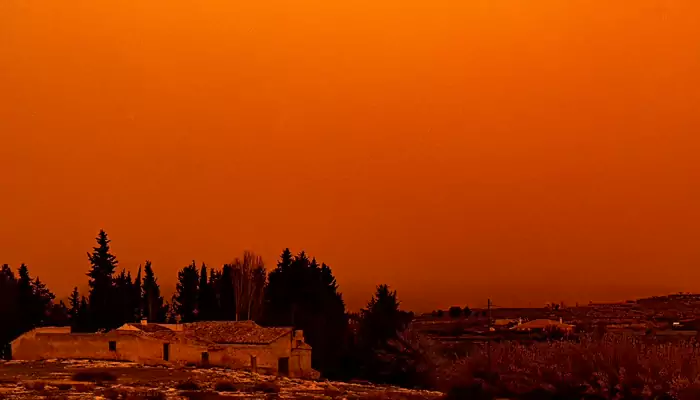
Skies over Greece turned blood-red this week, making it look like the end of the world. On April 1, 2026, parts of Crete in Greece turned an eerie orange-red as a massive cloud of dust from the Sahara Desert in North Africa blew across the Mediterranean Sea. Strong southerly winds, fuelled by Storm Erminio, picked up fine sand and carried it hundreds of kilometres to Greece and Libya. The dust contains iron oxides that are tiny rusty particles that scatter sunlight and paint the sky in deep reds and oranges, like a permanent sunset. As a result, the visibility in the area dropped sharply, sometimes to around 1,000 meters, creating an apocalyptic glow that feels straight out of a sci-fi film.
Scientists Create Hybrid Immunity to Cure Diabetes in Mice
Scientists have cured type 1 diabetes in mice, without long-term immune suppression. In type 1 diabetes, the immune system attacks insulin-producing cells, and replacing them with transplanted cells from donors has historically required people to take strong immunosuppressants for life, which severely limited the reach of such transplants. But in a new study, researchers created a "chimeric," or blended immune system that contains elements of both the recipient's and the donor's immune systems. This enabled mice to tolerate a transplant of insulin-producing cells without long-term immune suppression. For decades, scientists have been trying to cure the disease by replacing destroyed islets with new ones, such as those harvested from cadavers.