Here are today’s most important updates from the realm of Science and Space.
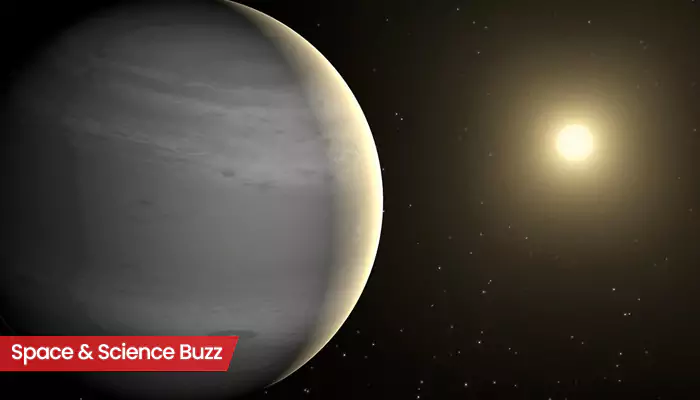
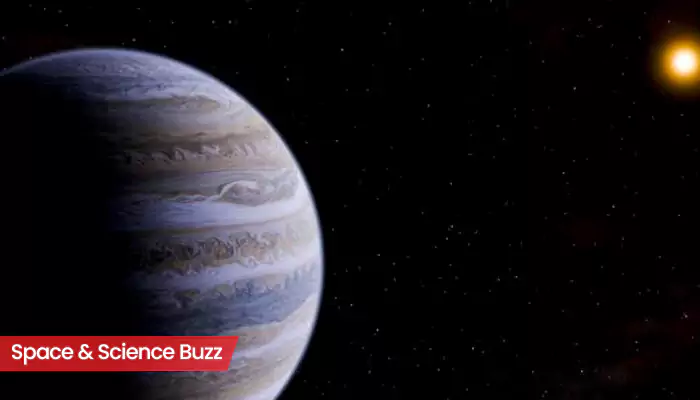
This Planet Could Fit over Seven Jupiters Inside it, Detected Outside Solar System
For the first time, scientists have found strong evidence of water-ice clouds on a planet outside our solar system that closely resembles Jupiter. The findings have been published in The Astrophysical Journal Letters, and the team is already planning follow-up observations and taking another step towards the ultimate goal, which is finding life on another planet. The discovery, made using Nasa's James Webb Space Telescope (JWST), is being hailed as a significant leap in our ability to study exoplanets, located far away from our worlds, and may one day help us find signs of life beyond Earth. The planet in question is called Epsilon Indi Ab, located in the southern-sky constellation Indus. Think of it as a supersized version of Jupiter, about 7.6 times its mass, though roughly the same size. Its surface temperature sits between –70 and +20 degrees Celsius, making it one of the coldest exoplanets ever studied in this way.
The 2028 Moonlanding Spacesuits are Still not Ready: NASA
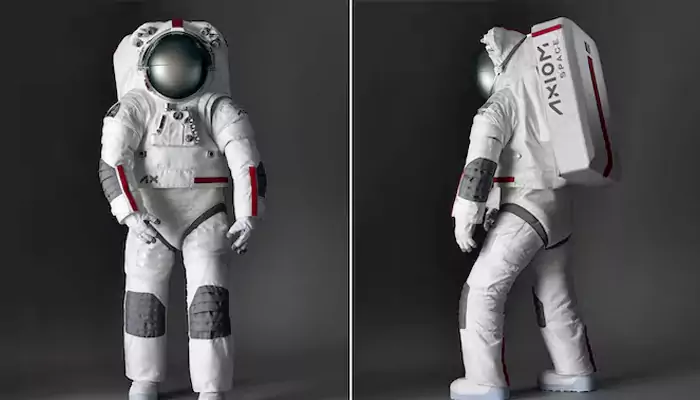
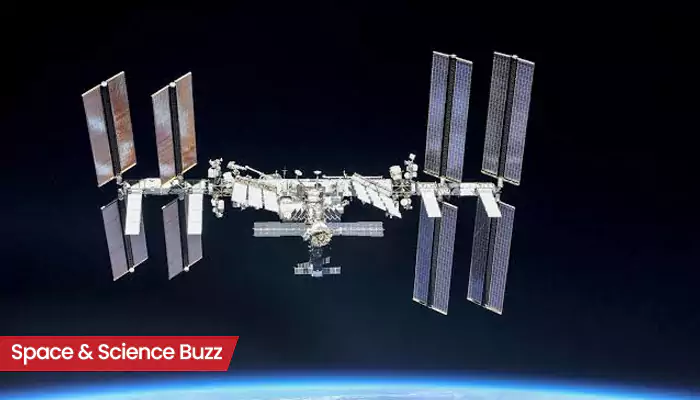
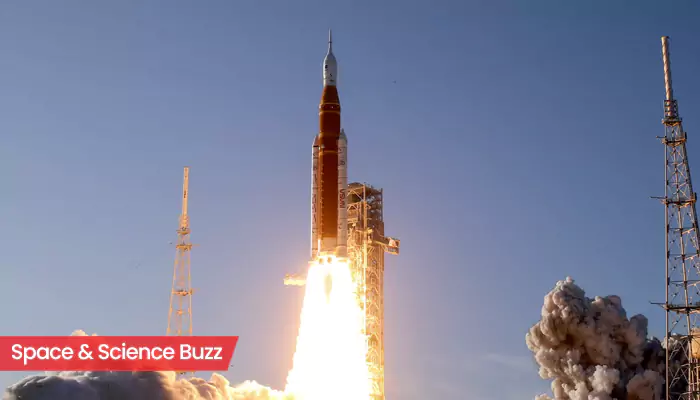
NASA has reaffirmed its confidence that American astronauts will walk on the lunar surface by 2028, but a new government watchdog report has thrown a spotlight on a surprisingly thorny problem: the spacesuits they will need to wear when they get there are nowhere near ready. The United States Office of the Inspector General, an independent body that monitors government agencies for inefficiency and mismanagement, released a report on April 20, warning that the next-generation Moon spacesuits may not be fully operational until 2031. The spacesuits currently used on the International Space Station are decades old and were never designed for moonwalks. They simply cannot survive the lunar environment, the abrasive dust, extreme temperatures and rocky terrain of the Moon’s surface demand something far more sophisticated.
Modules Built for Moon Station were Corroded: NASA Chief on Dropping Lunar Gateway Plan
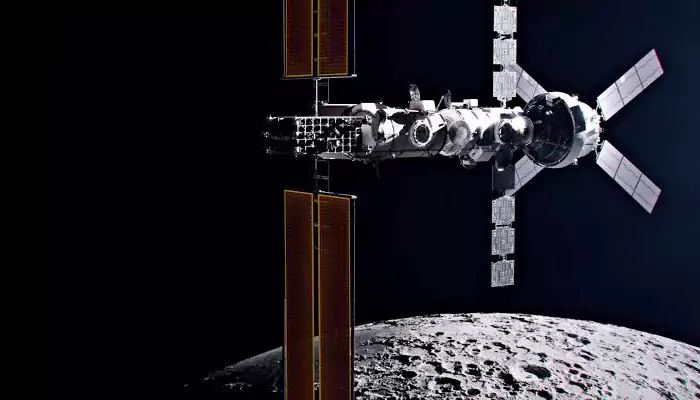
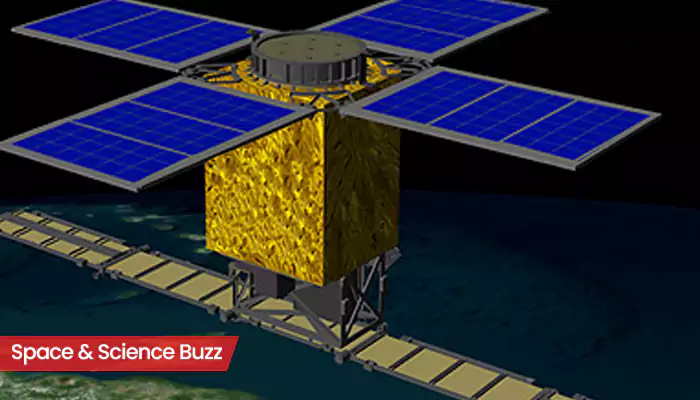
Two of the only habitable modules built for the Lunar Gateway, Nasa's ambitious plan to build a space station orbiting the Moon, have been found to be corroded, Nasa Administrator Jared Isaacman revealed in a sworn testimony before the US Congress on April 22, 2026. The discovery is a significant blow to a programme that was already running behind schedule and over budget. The Lunar Gateway is, in simple terms, a space station but instead of orbiting Earth like the International Space Station, it was designed to orbit the Moon. Corrosion, simply put, is the gradual destruction of a material, often metal, due to chemical reactions with the environment, similar to how iron rusts. Space hardware is typically made of aluminium alloys, which are vulnerable to corrosion if not properly protected during storage or assembly on the ground.
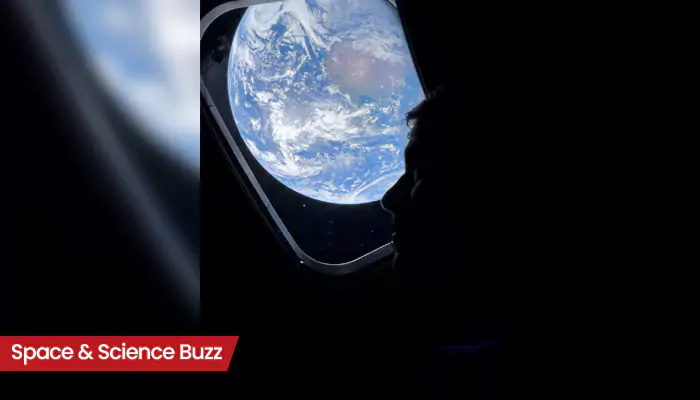
NASA Astronaut Christina Koch Captures Stunning Earthshine Video
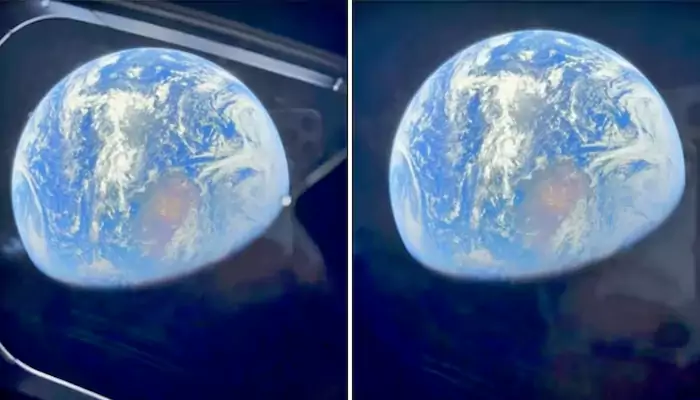
A striking new video of Earth glowing against the vast blackness of space is offering a rare and humbling perspective of our home planet. Captured by Nasa astronaut Christina Koch during the Artemis II mission, the footage shows Earth as a radiant blue sphere suspended in darkness, a view few humans have ever witnessed firsthand. The video was recorded from inside Nasa’s Orion spacecraft on the mission’s second flight day, when the spacecraft was approximately 54,500 kilometres away from Earth. At that distance, far beyond the altitude of the International Space Station, the planet appears as a luminous marble, its atmosphere glowing faintly against the void.