Here are today’s most important updates from the realm of Science and Space.
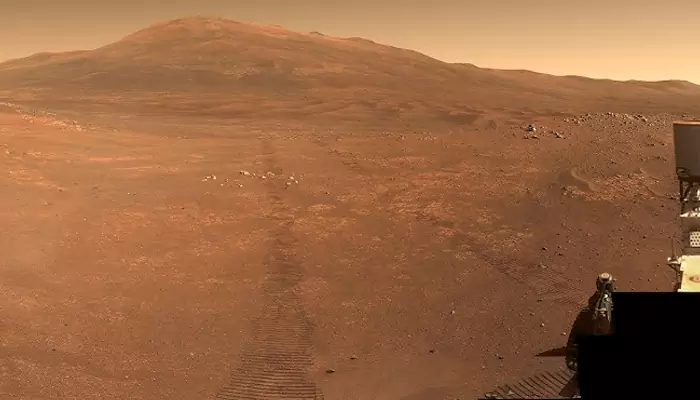
Scientists Spot ‘Bathtub Ring’ Evidence of Ancient Martian Sea
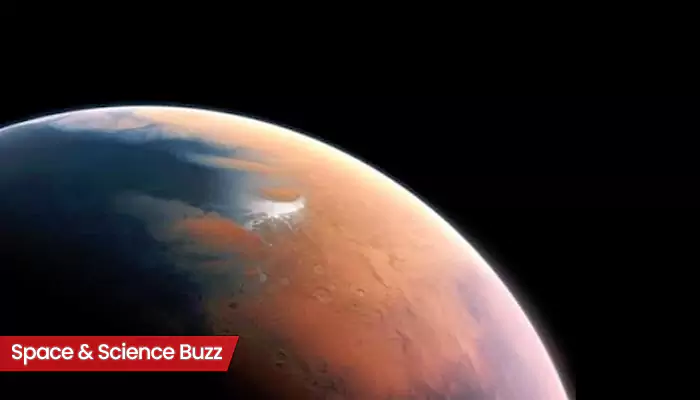
A newly identified geological feature on Mars may provide the strongest evidence yet that the Red Planet once hosted a vast, long-lived ocean. Researchers from California Institute of Technology (Caltech) have discovered what they describe as a bathtub ring, a broad, flat band of terrain, that could mark the boundary of an ancient ocean covering nearly one-third of Mars’ surface. Scientists have long known that Mars once had liquid water, but whether it formed only lakes and rivers or vast oceans has remained uncertain. Previous missions have spotted features resembling shorelines, but these were inconsistent in elevation, unlike Earth, where sea levels are relatively uniform. This inconsistency has made it difficult to confirm the existence of a stable Martian ocean. According to the study, such a landform would take millions of years to develop, suggesting the ocean was stable and long-lived before disappearing billions of years ago. Over time, Mars’ surface has been heavily altered by wind, volcanic activity, and other processes, erasing many ancient features.
Moon Mission Gets Hot: NASA to Test Fire in Space
(Image courtesy: NASA)
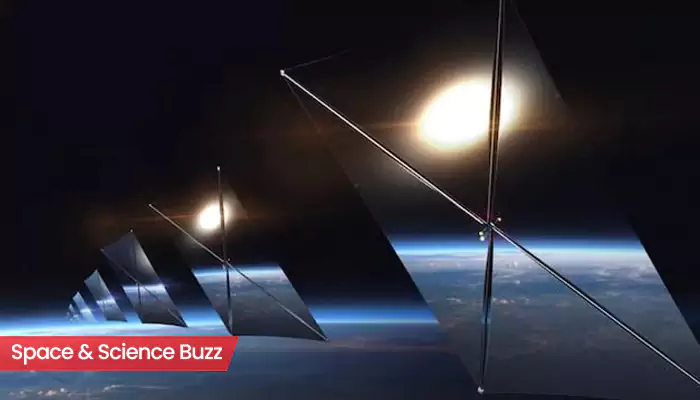
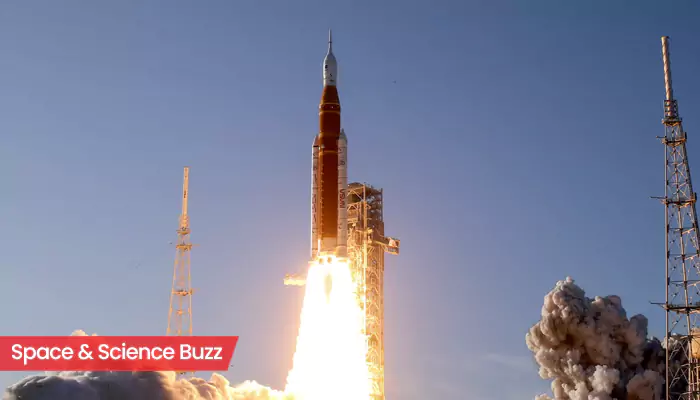
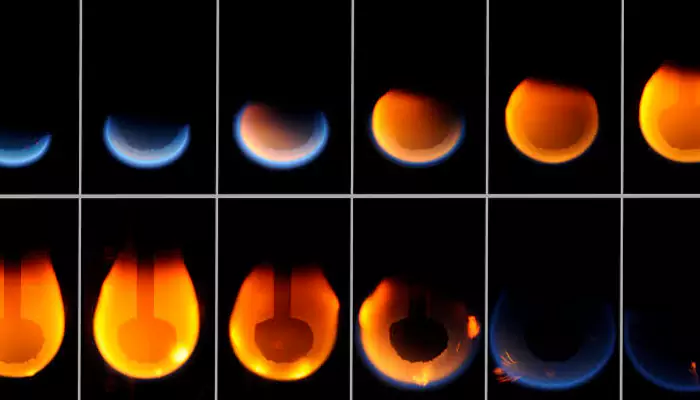
There's one particular challenge facing the crewed missions of the near future that scares mission planners more than almost any other: fire. A new paper from researchers at NASA's Glenn Research Center and Johnson Space Center and Case Western Reserve University details a planned mission to test the flammability of materials on the Moon's surface – where they expect flame to act much differently than it does here on Earth. On Earth, gravity causes hot gases to rise, drawing fresh, cool oxygen to the base of the flame. In some cases where the material is marginally flammable, this can result in a phenomenon called "blowoff", which actually extinguishes the fire.
Astronaut Snaps Dazzling Lyrids From Space Station
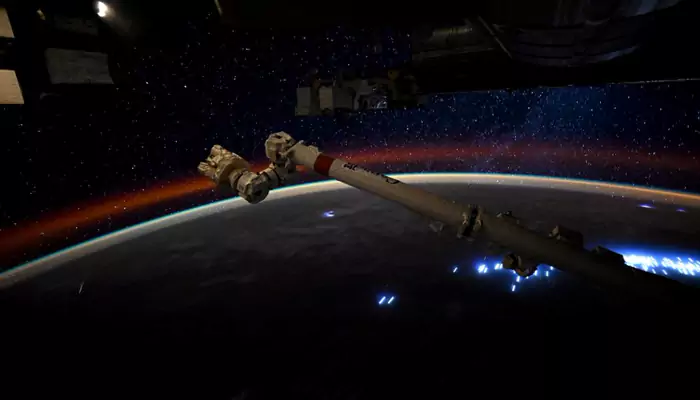
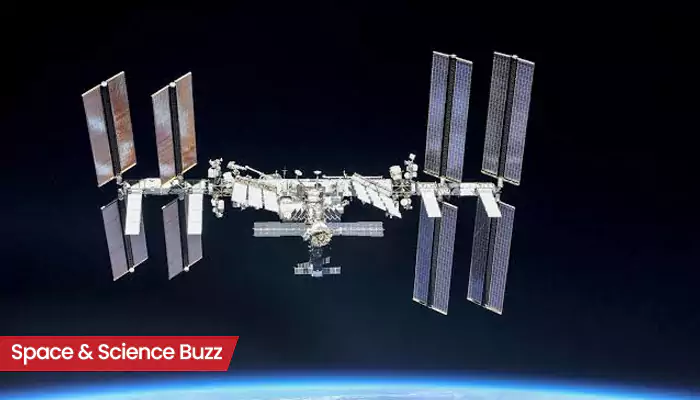
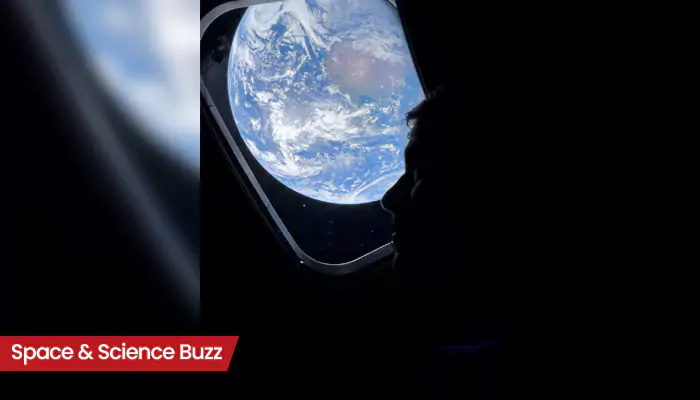
A NASA astronaut has shared a stunning view of a meteor shower as seen from space, drawing attention online. The post highlights the ongoing Lyrid meteor shower and offers a unique perspective from orbit. Jessica Meir shared a post describing her experience of photographing shooting stars from the International Space Station. She said that the Lyrid meteor shower is currently taking place and mentioned that she was fortunate to capture some images from the Space Station's cupola. In her post, she encouraged people to look up at the sky, saying that those watching might also spot the International Space Station passing by. She also described the image she shared, noting that it was taken with a three-second exposure. She explained that this exposure caused the city lights on the right side of the image to appear as streaks, while a meteor can be seen as a streak on the left side, just below the horizon.
Study Flags ‘Problematic’ AI Health Guidance in Many Cases

The chatbots, ChatGPT, Gemini, Grok, Meta AI, and DeepSeek, were each asked 50 health and medical questions spanning cancer, vaccines, stem cells, nutrition, and athletic performance in a recent research. Two experts independently rated every answer. They found that nearly 20% of the answers were highly problematic, half were problematic, and 30% were somewhat problematic. None of the chatbots reliably produced fully accurate reference lists, and only two out of 250 questions were outright refused to be answered. Overall, the five chatbots performed roughly the same. Grok was the worst performer, with 58% of its responses flagged as problematic, ahead of ChatGPT at 52% and Meta AI at 50%. There's a simple reason why chatbots get medical answers wrong. Language models do not know things. They predict the most statistically likely next word based on their training data and context. They do not weigh evidence or make value judgments.