Here are today’s most important updates from the realm of Science and Space.
Artificial Light From Space May Harm Ecosystems and Humans
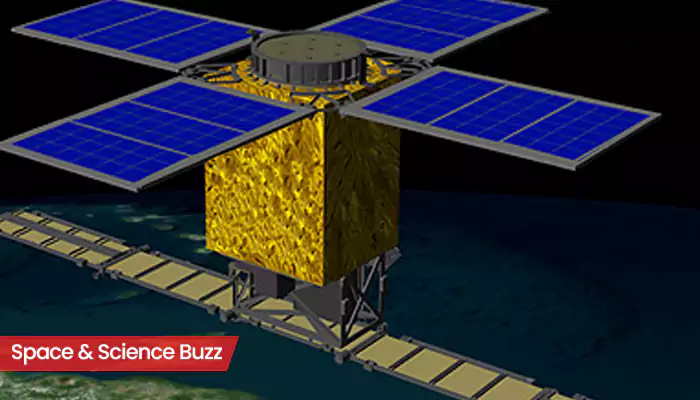
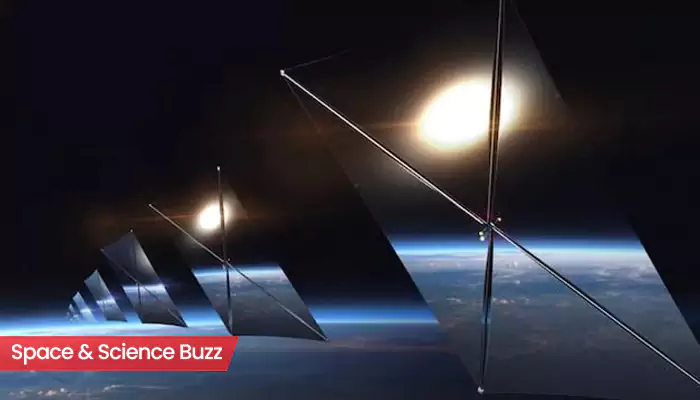
Leading scientists have warned that proposals to launch reflective satellites and up to one million more spacecraft into low Earth orbit could seriously harm human health, wildlife and ecosystems worldwide, according to The Guardian. Researchers representing around 2,500 scientists from more than 30 countries have written to the US Federal Communications Commission, which is considering two major proposals. Start-up Reflect Orbital wants to use mirror-equipped satellites to redirect sunlight on to specific areas of Earth at night, while SpaceX has applied to deploy up to one million satellites to form an orbital computing network for artificial intelligence workloads. A letter signed by the presidents of the World Sleep Society and several other bodies stated that circadian disruption drives serious health consequences.
Could Life Have Traveled From Earth to Venus? New Study Says Maybe
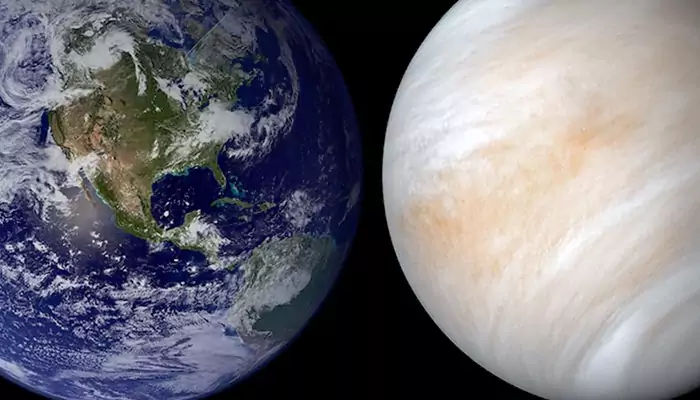
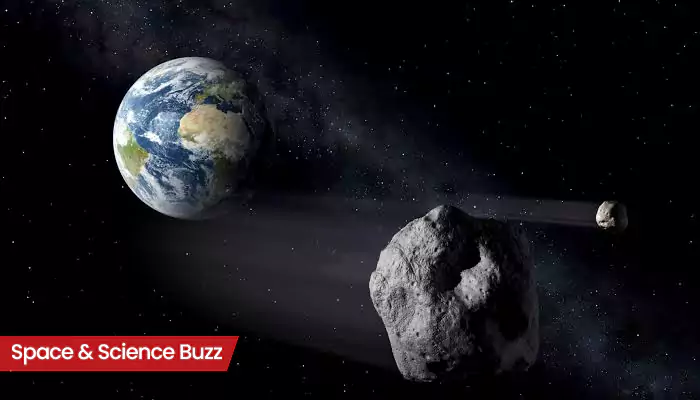
If life is ever discovered in the atmosphere of Venus, there is a strong scientific possibility that it originally came from Earth through a process called panspermia. According to a recent study presented at the 2026 Lunar and Planetary Science Conference (LPSC), microbial life could have been "scooped up" from Earth's upper atmosphere by grazing asteroids or blasted into space by impacts, eventually finding its way to the more temperate cloud layers of Venus. Studies suggest that between 700 and 750 million years ago, planetary impacts may have ejected material from Earth, transferring an estimated 1 billion cells per billion years to Venus. Scientists are using this framework to simulate how microbial life could travel and survive in the harsh, acidic clouds of Venus. While this theory implies a possible origin, the presence of life on Venus is not confirmed, and any such life would have to be extraordinarily hardy to withstand acidic conditions.
Can a Detox Reset Your Brain From Social Media Overload?
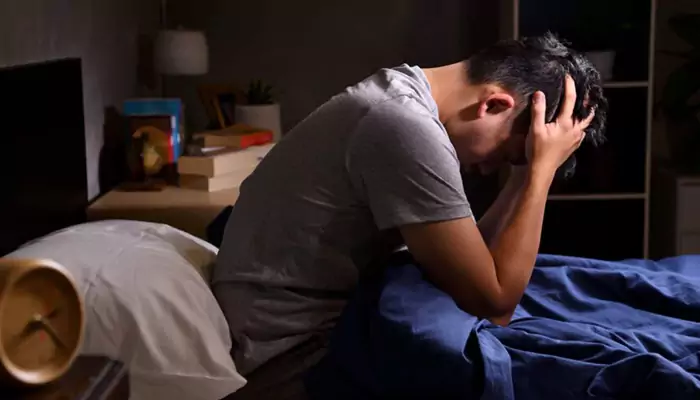
A study published in PNAS Nexus recruited 467 participants and asked them to block internet access on their phones for a fortnight. They could still make calls and send texts, and access the web on laptops or tablets, because researchers noted that phone use is uniquely "compulsive and mindless" in a way that desktop browsing simply is not. Scientists warn the most vulnerable are those who compare themselves unfavourably to others online, those with sleep disorders, and those using social media to cope with loneliness. The message from researchers is clear: you do not have to quit forever. But your brain may be quietly begging you to try.
Antarctica Surprise: Misidentified Iceberg Is Actually an Island
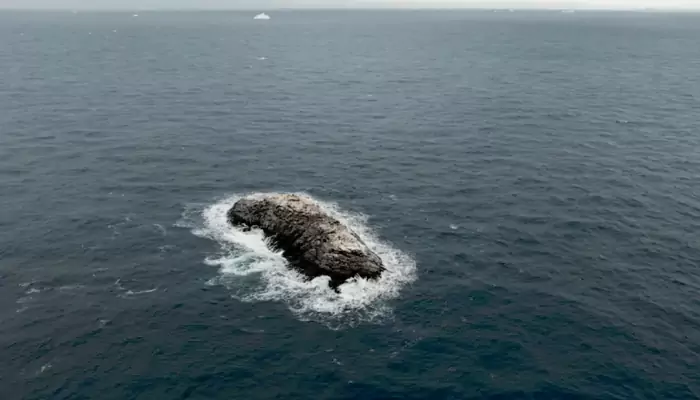
In a surprising discovery, a team of explorers found an unknown island during an expedition in a risky area near Antarctica. The island, which is said to be similar in size to Egypt's Great Pyramid, was spotted in a region that had earlier been marked as a "danger zone" on maps, reported NYPost. The discovery was made by a 93-member international team exploring the northwestern Weddell Sea. The team had been on board the icebreaker Polarstern since February 8, 2026, as part of a research mission. The team's journey took a turn when a severe storm forced them to take refuge near Joinville Island. During this time, the scientists and crew on board spotted a mysterious piece of land in an area previously considered dangerous for navigation.