
Here are today’s most important updates from the realm of Science and Space.
NASA Satellite Falls Back to Earth After 14 Years in Space
NASA has announced the final fall of a satellite back down into our atmosphere over the past 14 years in orbit around the Earth. After being in orbit around the Earth for nearly 14 years, the spacecraft has now entered a new phase of the Earth's environment through its reentry process following gradual descent from a higher orbit over the past few years. The most significant change during reentry occurred with the burn-up of most of the spacecraft due to the high temperatures associated with reentry; any remaining parts of the spacecraft that may have survived are expected to have landed safely in areas away from land. This satellite was one of the twins that were launched together in support of NASA's exploration of the Van Allen radiation belts surrounding the Earth.
Countdown Begins: Artemis II Moon Mission Aimed for Early April
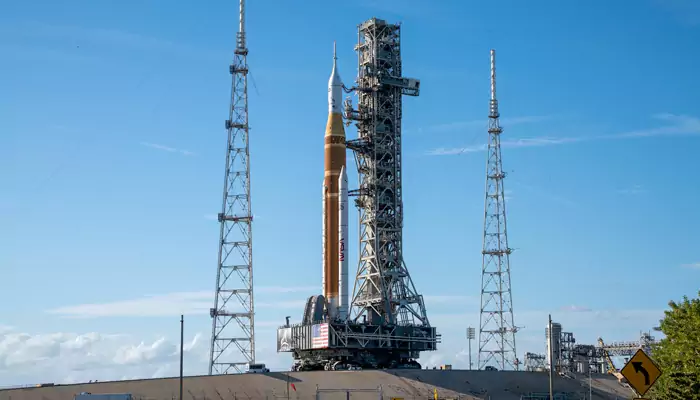
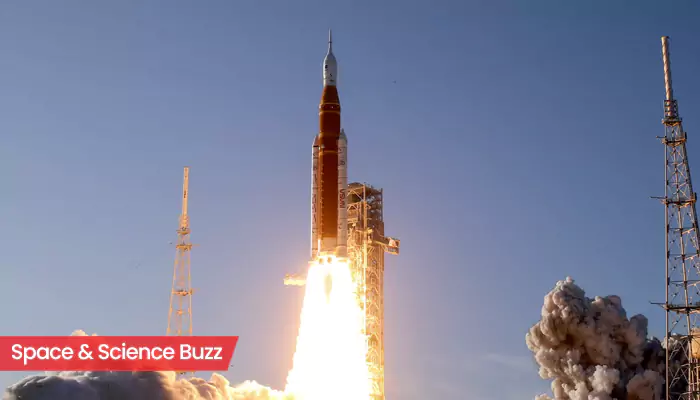
NASA says it's on track to launch its Artemis II mission in early April, which will see astronauts fly around the Moon for the first time in more than 50 years. The rocket had been set to blast off in March, but after a helium leak was discovered it was returned to the Vehicle Assembly Building in Cape Canaveral, Florida, for repairs. NASA stated it's confident the problem is fixed, and is planning to roll the rocket back out to the launchpad on 19 March, with the earliest possible launch date of 1 April. Speaking at a press briefing, NASA leaders also emphasised the risks involved with the mission.
Why the Coming Super El Niño Could Turn Up India’s Heat

Climate scientists are warning that the planet could soon enter a powerful El Nino phase, potentially one of the strongest in recent decades. New climate forecasts suggest the event may develop later this year and significantly alter weather patterns across the globe, including bringing intense heat and unusual monsoon behaviour to India. According to new data from the European Centre for Medium-Range Weather Forecasts, the planet may experience a strong or even “super” El Nio event. Forecast models show ocean and atmospheric signals beginning to align by June, a key sign that the phenomenon is developing.
Study Suggests Whale Biology Could Unlock Extreme Human Longevity

Humans could potentially live up to 200 years, and the secret may lie in one of the longest-living animals on Earth - whales, according to a new study by scientists at the University of Rochester. Researchers studying the Bowhead whale, a species known to live for nearly two centuries, have identified a protein that may help explain its remarkable longevity and resistance to disease. The study, published in Nature, found that the whales produce extremely high levels of a DNA-repair protein known as CIRBP. This protein helps repair serious genetic damage known as double-strand DNA breaks, which are linked to ageing, cancer and other diseases in humans. The finding may help explain how such a massive animal with billions of cells avoids developing cancer despite living for so long - a puzzle known as Peto's Paradox.