
Here are today’s most important updates from the realm of Science and Space.
Space Rock With a Mood Boost? Bennu Sample Contains Key Serotonin Molecules
A molecule crucial for producing serotonin, often referred to as the "happy hormone," has been detected in the asteroid Bennu samples. For the first time, tryptophan, which is an essential amino acid, has been identified in extraterrestrial material. Tryptophan plays a crucial role in regulating mood, sleep and digestion in humans, and its presence in Bennu's sample suggests that asteroids could have delivered life's building blocks to early Earth. Bennu's sample contains 14 of the 20 amino acids used by life on Earth and all five nucleobases (adenine, guanine, cytosine, thymine, and uracil).
Sun Heats Up for Its Peak Cycle: India’s Aditya-L1 Ready for Incoming Solar Fury
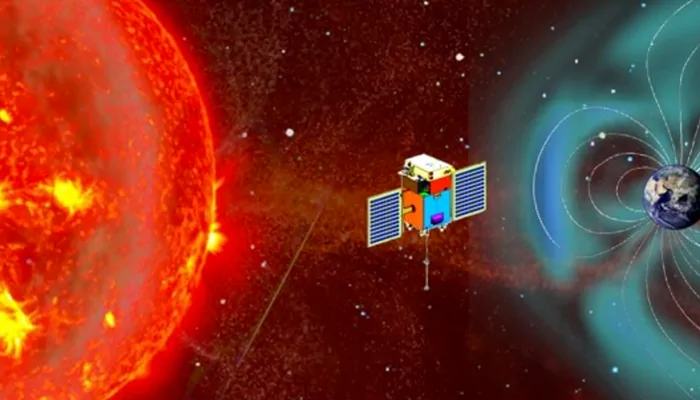
India's first solar observatory in space, Aditya-L1, is preparing for a rare and critical moment. For the first time since it entered its orbit last year, the mission will get a front-row view of the Sun as it reaches its maximum activity cycle in 2026. This period arrives roughly every 11 years, when the Sun's magnetic poles switch places, turning a usually calm Sun into a highly active one, reported BBC. Scientists predict the coming year could be quite turbulent. During this extreme phase of the Sun, the number of solar storms and coronal mass ejections (CMEs) is expected to increase rapidly. CMEs are massive explosions from the Sun's outer layers, consisting of charged particles. They can weigh up to one trillion kilograms and travel at speeds of up to 3,000 kilometers per second. At their maximum speed, they can reach Earth in just 15 hours.
Next Stop, Deep Space: Musk to Build Starship Pad at Kennedy Space Center
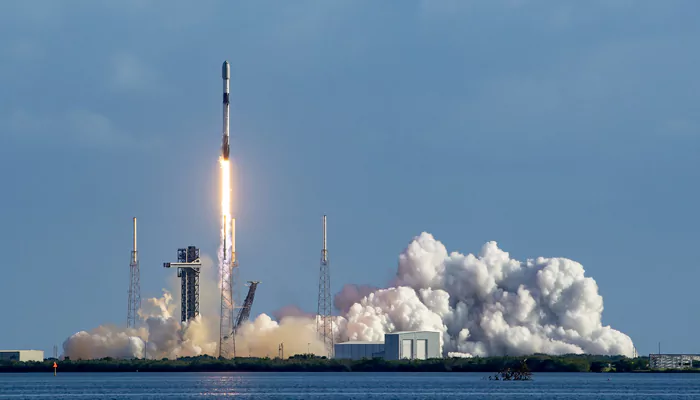
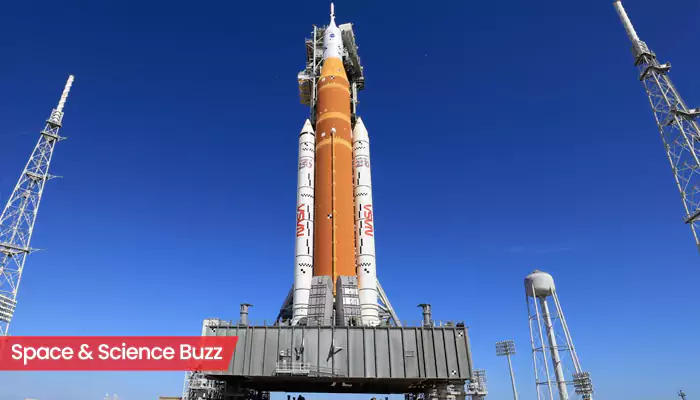
The US government has granted SpaceX permission to develop a new launch pad for its Starship Super Heavy rocket at Kennedy Space Center’s Launch Complex 37 in Cape Canaveral, Florida. Construction on the site has already begun, marking a significant step toward expanding Starship operations in Florida. SpaceX’s Starship, paired with the powerful Super Heavy booster, is designed as a heavy-lift vehicle capable of supporting national security missions and Nasa’s Artemis lunar exploration program. With this new pad, Starship will join two other dedicated Florida launch sites, enabling more frequent and streamlined launch operations akin to airport-like efficiency.
Senyar’s Fury: The Rare Malacca Strait Cyclone That Shouldn’t Have Happened
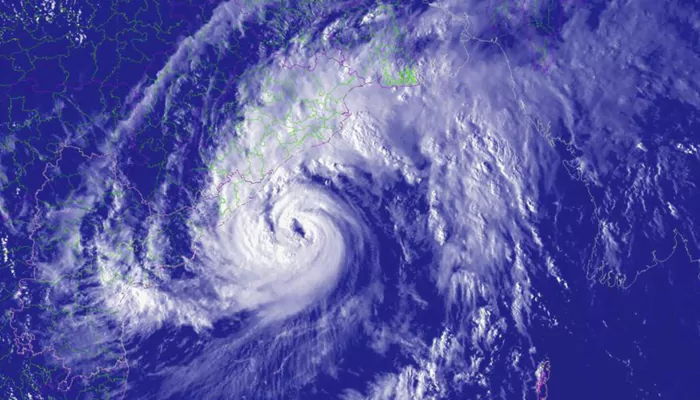
In an exceptionally rare meteorological development, Cyclone Senyar formed over the Malacca Strait in November, a basin where cyclonic systems are almost never observed. According to India Meteorological Department (IMD), this was the first cyclone recorded in the Strait in 135 years, with the previous instance dating back to 1886. The Malacca Strait, bordered by Malaysia and Indonesia and known primarily for its crucial shipping routes, typically lacks the atmospheric and oceanic conditions required for cyclogenesis. “This is something we haven’t seen before in our monitoring activity,” said Dr Mohapatra, calling Senyar’s development a “rare weather occurrence.” The Strait is a virtually cyclone-free basin. It lies extremely close to the equator, where the Coriolis force, the deflection needed for storms to spin, is too weak to enable cyclone formation. The last cyclone documented here was 135 years ago, making Senyar a historic anomaly in modern meteorological records.