
Here are today’s most important updates from the realm of Science and Space.
Frozen and Crimson: What Causes Antarctica’s Blood Waterfall?
In Antarctica's McMurdo Dry Valleys, a waterfall pours out bright red water, making the white glacier look stained with blood. This unusual sight is called Antarctica's Blood Falls, and scientists have been trying to understand it for more than 100 years, reported the Antarctica Journal. Antarctica's Blood Falls were first observed by Australian geologist Thomas Griffith Taylor during the Terra Nova expedition in 1911. At the time, scientists believed its red color was due to red algae, but subsequent research revealed a different and more complex cause. According to scientists, the water originates from an extremely old, iron-rich lake deep beneath the Taylor Glacier. This lake has remained completely isolated from the outside world for more than two million years. It receives neither sunlight nor fresh air, creating a unique and isolated environment.
Invisible Threat: Micrometeoroids Could Complicate NASA’s Lunar Ambitions
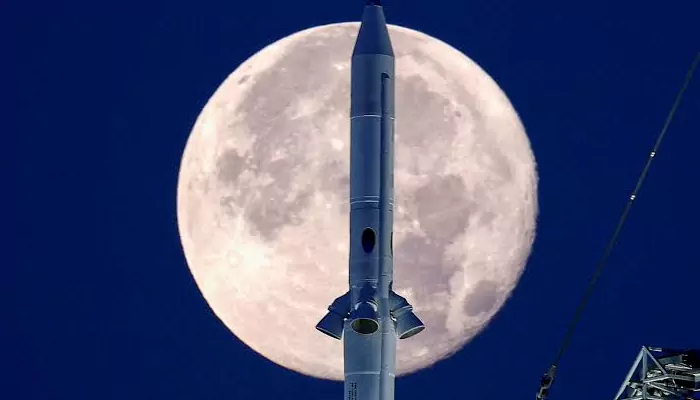
NASA wants to send humans back to the Moon and build a long-term base there. This plan is part of the Artemis programme, which aims to return astronauts to the Moon for the first time since Apollo 17 in 1972 and later use the Moon as a step toward missions to Mars and beyond. But scientists say there is one small and dangerous problem that must be taken seriously: micrometeoroids, according to reports. The Artemis mission isn't just about sending astronauts back to the Moon. Its primary goal is to establish a permanent base on the lunar surface. It's believed that a long-term presence on the Moon will serve as a vital stepping stone for future human missions to Mars and beyond.
Brain Aging Breakthrough: Scientists Discover Regenerative Protein
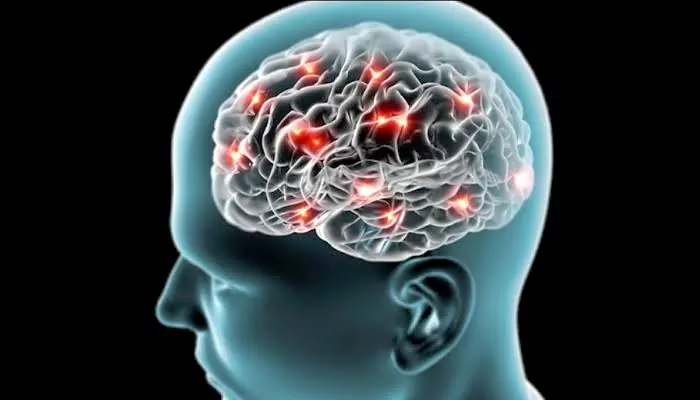
Our brains age along with the rest of our bodies, and as they do, they produce fewer new brain cells. Now, researchers have found a key mechanism through which the typical age-related decline in neuron production might be slowed. In later life, the neural stem cells (NSCs) that turn into fully fledged neurons become more dormant – almost as if they're going into retirement after a long lifetime of service. As that happens, cognitive decline creeps in. Through a combination of human NSC analysis in the lab and mouse model experiments, the researchers singled out a protein called cyclin D-binding myb-like transcription factor 1 (DMTF1). Transcription factors such as DMTF1 bind to DNA, to switch genes on or off. Specifically, DMTF1 activates two 'helper' genes called Arid2 and Ss18, which promote cell growth by switching on other genes that restore the biological cycle through which neurons are created.
Want to Lower Dementia Risk? These Brain Workouts May Help

As people age, their probability of developing Alzheimer's disease or another form of dementia increases, and these conditions affect nearly half of people in their 80s and 90s. There is currently no cure for these disorders, but researchers are exploring interventions to reduce the risk of dementia. Some available drugs can help slow cognitive decline in early stages of the disease, but they're far from silver bullets. The trial results raise the question as to whether speed-training cognitive exercises, including certain brain-training video games or apps, could help guard against dementia.