Here are today’s most important updates from the realm of Science and Space.
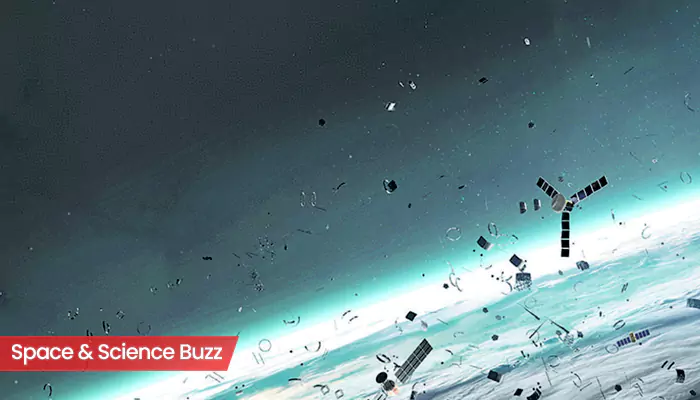
Close Call in Orbit: Shenzhou-20 Highlights Growing Space Debris Threat
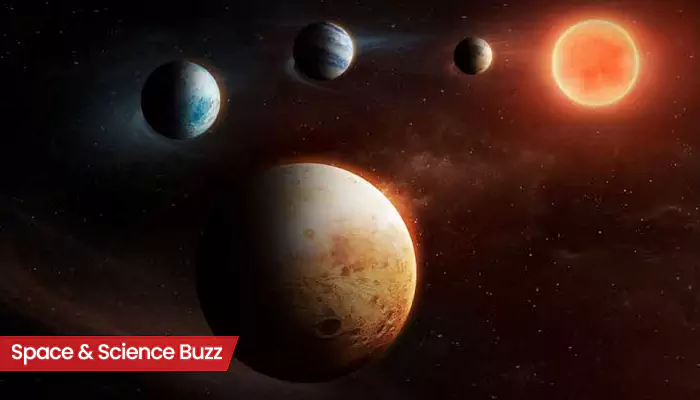
Earth is surrounded by millions of pieces of human-made debris that orbit the planet. Experts warn that this problem is worsening every year, with 2025 continuing the trend. Space debris specialists say nearly 130 million fragments are zipping around Earth. These include high-speed remnants from rocket stage explosions, abandoned satellites, and bits of broken space equipment. Some debris results from deliberate destruction of spacecraft during anti-satellite weapons testing, according to reports. This growing space debris problem is increasing the risk of collisions, leading to even more debris, a phenomenon known as Kessler syndrome. NASA scientists Donald Kessler and Burton Corr-Palace first described this effect in 1978.
Proof of Flowing Water? Scientists Find Eight Water-Formed Caves on Mars
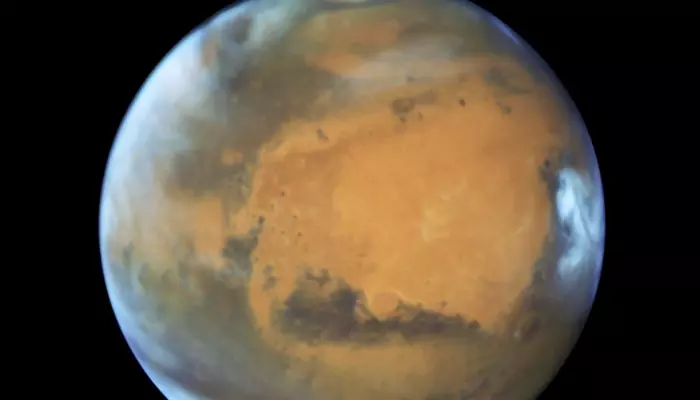
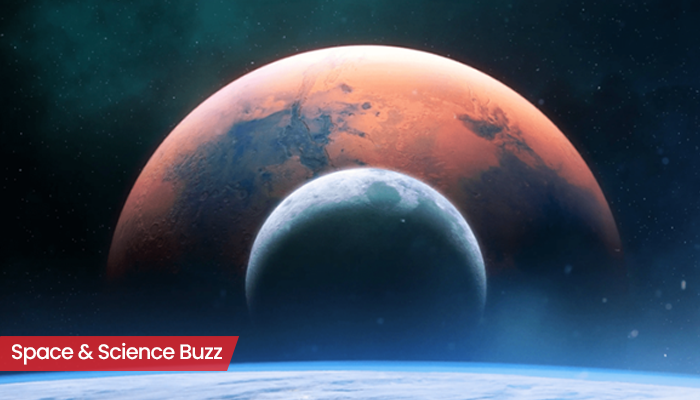
A team of researchers has made a groundbreaking discovery on Mars, identifying eight caves in the Hebrus Valles region that may have been shaped by water. These potential karst caves are the first of their kind found on another planet. Unlike previously known Martian caves formed by volcanic activity, these new formations appear to result from the chemical dissolution of soluble rocks, reported the Daily Galaxy. This discovery adds a new dimension to the geoscience of Mars and opens up new possibilities for the search for life outside Earth. These caves, formed long ago, may preserve biological traces, making them important targets for future exploration missions.
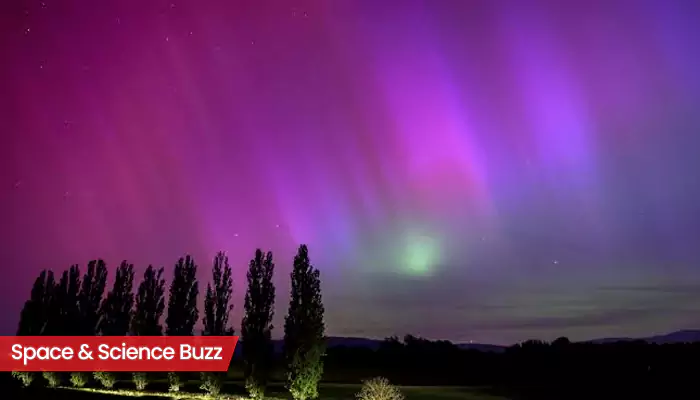
Nature’s Light Show Goes Supercharged: Why Auroras Will Explode Across Skies in 2026

The Sun follows an 11-year cycle, moving between periods of low activity with few sunspots and phases of high activity with many sunspots. During the peak of the current cycle, confirmed by NASA in October 2024, a greater number of sunspots led to more frequent solar flares and coronal mass ejections. During solar activity, intense waves of energy and charged particles from the Sun are transmitted into space, interacting with Earth's atmosphere to create the aurora we see. The Sun has now passed the peak of its cycle and is approaching a solar minimum around 2031-32. However, solar activity is expected to remain relatively high until 2026.
Live to 100? New Research Says Your Blood May Hold the Answer

New research suggests that centenarians (those aged 100 or more) and supercentenarians (aged 110 and above) have unique blood profiles that differ significantly from the rest of the population. These differences can be detected as early as the age of 65, long before individuals reach extreme old age. Researchers believe these blood-based markers may play a protective role against age-related diseases, although their exact link to genetics and lifestyle remains unclear. If confirmed, these markers could become important targets for future longevity research. Spanish scientists conducted one of the most detailed physiological and genetic studies of a supercentenarian, Maria Branyas, who lived to 117. Her blood showed strong immune system markers and extremely low levels of "bad" cholesterol.