Mars Once Had Rivers? What NASA’s ‘Crocodile Bridge’ Discovery Reveals About the Planet’s Ancient Past
- Soham Halder
- 5 months ago
- 3 minutes read
Mars May Not Have Always Been Dry and Lifeless!
Today, Mars is known as a cold, dusty planet covered in barren landscapes. But NASA’s latest discovery is adding to growing evidence that the Red Planet may once have looked very different. A newly explored region nicknamed “Crocodile Bridge” is now helping scientists piece together a story that could completely change how we understand Mars’ ancient history.
And at the center of that story is one major possibility: water.
NASA Finds Clues in Ancient Martian Rocks
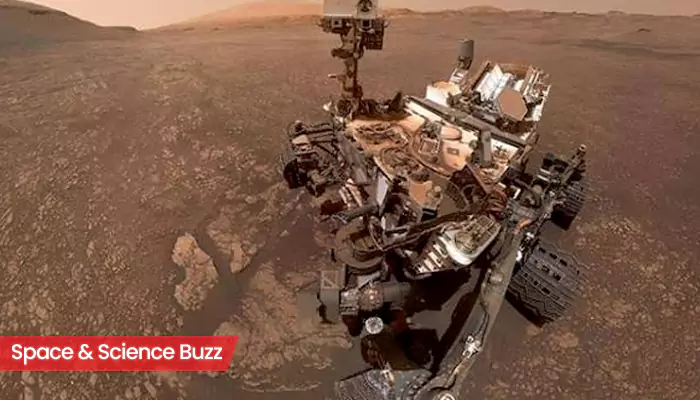
NASA’s Perseverance Rover recently surveyed an ancient region inside Jezero Crater. Scientists believe the area contains some of the oldest exposed rocks on the planet.
What makes this important is the shape and composition of these rocks. Researchers say they may have formed in environments whre water once flowed billions of years ago.
The nickname “Crocodile Bridge” comes from the unusual appearance of the terrain, which resembles rocky formations seen on Earth.
Why Scientists Are Excited About Water Clues
For decades, scientists have searched Mars for signs that it once had rivers, lakes, or oceans. Water matters because it dramatically increases the chances that microbial life may once have existed.
The Jezero Crater itself is believed to have once contained an ancient lake and river delta. That makes discoveries from this region especially significant.
If Mars truly had flowing water for long periods, it suggests the planet may once have had:
- A thicker atmosphere
- Warmer temperatures
- Conditions more similar to early Earth
What Happens Next: The Search for Ancient Life Continues
The Perseverance Rover is now collecting rock samples that may eventually be brought back to Earth through future missions. Scientists hope these samples could reveal:
- Chemical signs of ancient water
- Organic compounds
- Clues about ancient Martian environments
Even tiny discoveries could reshape humanity’s understanding of whether life existed beyond Earth.
Why This Discovery Matters to Everyone
Mars exploration isn’t just about space curiosity. Research from missions like Perseverance helps improve:
- Planetary science
- Climate understanding
- Robotics and AI technologies
- Future human space missions
Studying how Mars changed over billions of years may also offer lessons about Earth’s climate and environmental future.
Why ‘Crocodile Bridge’ Captured Global Attention
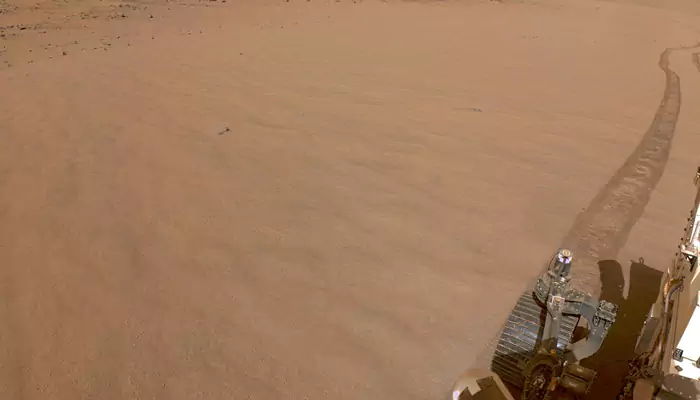
Part of the excitement comes from how visually striking the discovery is. The rugged terrain makes Mars appear less alien and more like a place with a real geological story waiting to be understood.
For many people online, the images sparked wonder and a reminder that there is still so much humanity doesn’t fully know about our neighboring planet.
Mars Still Holds Many Secrets
The discovery of “Crocodile Bridge” may not prove that life once existed on Mars, but it strengthens the possibility that the planet was once far more active than it appears today. And with every new image and rock sample, scientists move one step closer to uncovering the true story of the Red Planet.