Here are today’s most important updates from the realm of Science and Space.
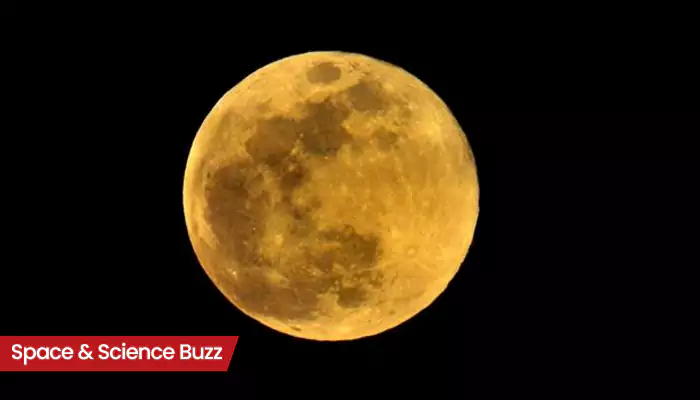
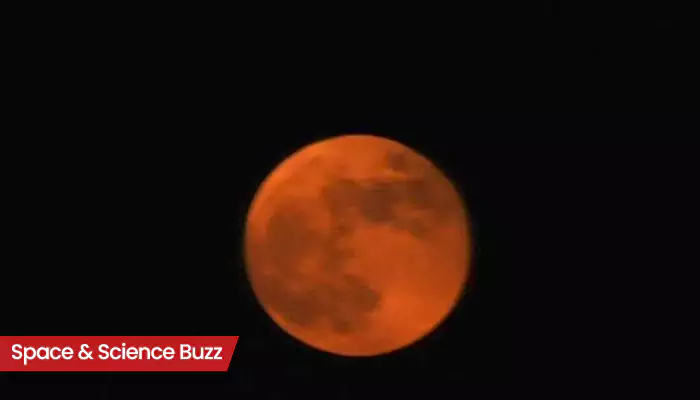
Lunar Eclipse 2026: Blood Moon Set to Dazzle Night Sky
Stargazers across India are preparing their telescopes and clearing their schedules for the first major celestial event of the year. The total lunar eclipse occurring on March 3, 2026, is set to be a spectacular sight, but whether you can see it depends entirely on your coordinates. As the Earth slides between the Sun and the Moon, it casts a deep, rusty shadow that transforms our satellite into a brilliant crimson orb. The phenomenon of the Moon turning red during a total lunar eclipse is often called a Blood Moon. Even when the Earth completely blocks direct sunlight, some light reaches the lunar surface. While the total phase of the eclipse will be visible in its entirety over parts of the Americas and Western Europe, observers in India will only witness the concluding stages.
Beneath the Ice: New Clues Behind Blood Falls’ Crimson Flow

Scientists have discovered a link between a mysterious red-stained water flow in Antarctica, known as Blood Falls, and changes in the glacier above it. This unusual phenomenon has intrigued researchers for more than a century. Blood Falls are located in Antarctica, in front of Taylor Glacier, a massive ice river flowing through the McMurdo Dry Valleys. This unique natural phenomenon was first observed and recorded in 1911 by Australian geologist Thomas Griffith Taylor during the Terra Nova expedition. According to researchers, Blood Falls are formed by iron-rich salt water (brine) that occasionally emerges from a source beneath the glacier. The glacier's weight and motion cause this water to rise to the surface. Upon reaching the surface, this water oxidizes and leaves a red stain, which flows toward the West Lobe of Lake Bonney, an ice-covered Antarctic lake.
Scientists Uncover Dinosaur Covered in Defensive Quills
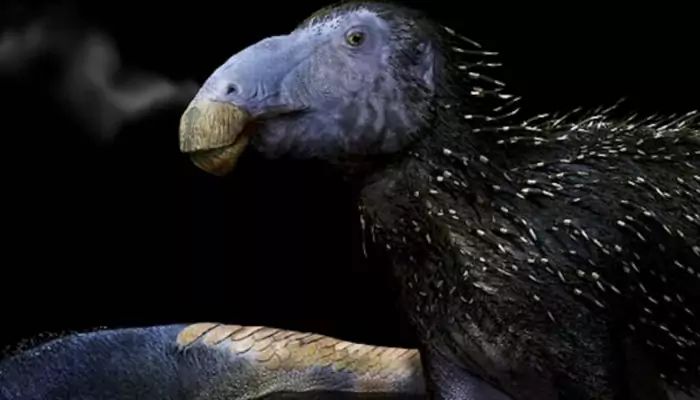
A latest discovery has revealed a dinosaur covered in hollow spikes, similar to a porcupine's quills, a feature never seen before in these ancient reptiles. The fossil, found near the village of Xiawujiazi in Liaoning Province, has provided scientists with unprecedented insight into dinosaur biology. The dinosaur has been named Haolong dongi and lived on Earth about 125 million years ago. This juvenile fossil is so well-preserved that even its individual cells can be seen. Researchers used X-ray scans and ultrathin slices to study the spikes, which were examined under a high-resolution microscope. They concluded that these spikes were not part of the dinosaur's bones, but rather part of its skin.
Storm Alert: NYC Grinds to a Halt Ahead of Bomb Cyclone

A massive winter storm, classified as a rare "bomb cyclone", is slamming the northeastern United States, burying cities under feet of snow and forcing tens of millions of Americans to shelter in place. From Virginia in the south to Maine in the north, the storm is being described as one of the most powerful to hit the region in decades, and it is far from over. A bomb cyclone, known scientifically as "bombogenesis," is a storm that intensifies at an extraordinary speed. It occurs when a storm's central pressure plummets by at least 24 millibars within a 24-hour period. When that happens, it's a clear signal of an exceptionally violent storm.