Union Budget 2026-27 : ISM 2.0 - Why India is Pivoting from "Chip Assembly" to "Chip Design”
- Devyani
- 2 months ago
- 3 minutes read
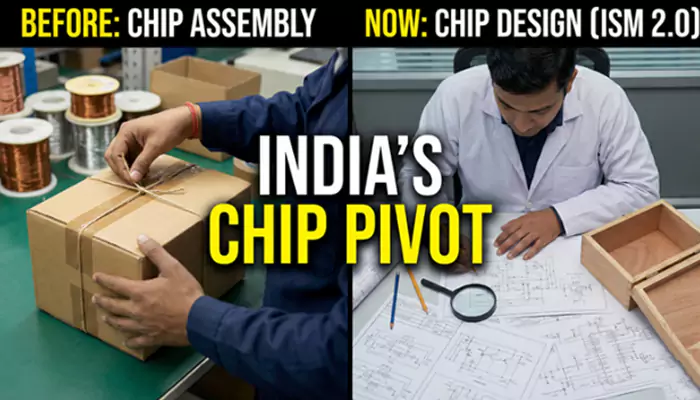
We spent the last five years learning how to wrap the gift; now the Finance Minister wants us to actually build what’s inside the box.
For a while there, it felt like we were settling. You know the feeling? When you are grateful for the job, but you know you are overqualified? That has been India’s semiconductor story so far. We celebrated when Micron set up shop in Gujarat - and rightly so - but deep down, industry insiders knew the truth: ATMP (Assembly, Testing, Marking, and Packaging) is essentially glorified wrapping. It’s crucial, sure, but it’s the "blue-collar" side of the chip world. You aren't inventing the future; you are just packaging it for shipping.
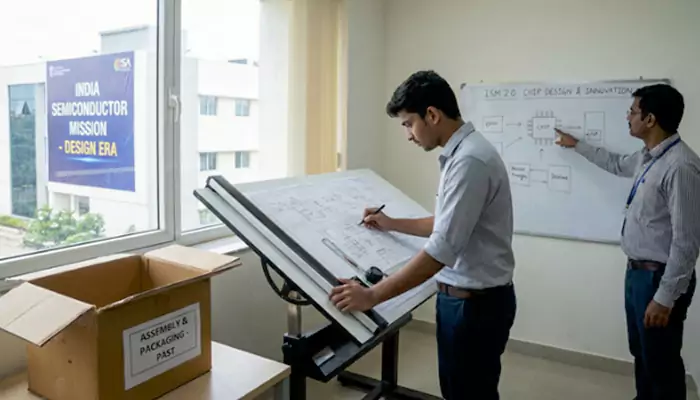
Yesterday, the Union Budget 2026-27 flipped the script.
With the launch of ISM 2.0 (India Semiconductor Mission), the government has signaled that the honeymoon period for mere assembly is over. The focus has aggressively pivoted to Chip Design. And honestly? It’s about time.
Why the Pivot? Follow the Margins
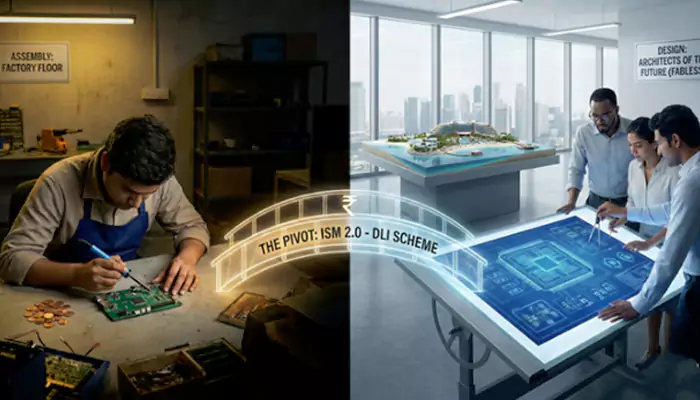
Here is the cold, hard economics of silicon: The guy who solders the chip onto the board makes pennies. The guy who designs the architecture of that chip? He buys the island.
The Finance Minister’s allocation of an additional ₹8,000 crore specifically for the Design Linked Incentive (DLI) scheme is a tacit admission that we can't just be the world's factory floor. We need to be its architect. The budget speech explicitly mentioned supporting "Fabless" startups - companies that design chips but outsource the actual printing. This is the sweet spot. It requires less capital (no billion-dollar foundries needed) but demands massive brainpower. And if there is one thing India has in surplus, it’s engineering graduates who actually understand Verilog and VHDL.
The RISC-V Gamble
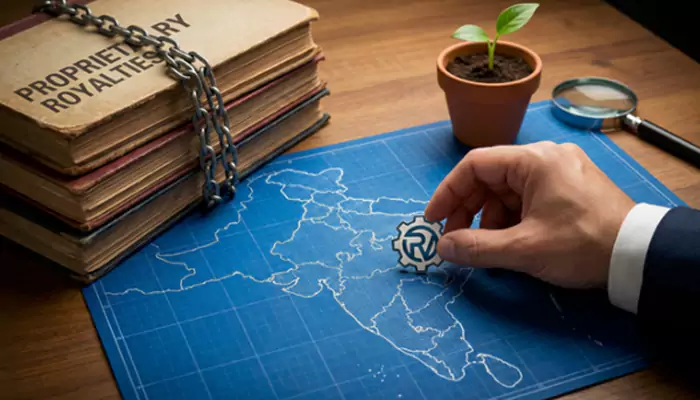
There was a subtle but explosive detail in the fine print: a dedicated fund for RISC-V architecture.
If you aren't a tech geek, let me explain why this matters. Most chips today run on proprietary architecture (like ARM or x86), which means you pay a "royalty tax" to western companies for every chip you make.
RISC-V is open-source. It’s free. By betting big on this, the government is trying to build a "sovereign" chip ecosystem where Indian startups build Indian chips for Indian needs - without paying a toll to anyone else. It’s a bold, slightly risky play, but if it pays off, we won't just be a hub; we’ll be a standard-setter.
A Reality Check

However, let’s not get ahead of ourselves. Moving from assembly to design is like switching from driving a car to building the engine. It’s messy.
The biggest bottleneck isn't money; it’s mentorship. You can’t just throw cash at a fresh graduate and expect them to design the next Snapdragon processor. The Budget’s promise to set up "Chip Design Labs" in 50 top universities is a start, but labs don't design chips - people do. We need veterans from Silicon Valley to come back and teach. Will this budget convince them to return? That remains the million-dollar question.

ISM 1.0 was about putting India on the map. ISM 2.0 is about owning the map.
It’s an ambitious leap. We are effectively trying to skip a grade in school. But given that the world is desperate for a supply chain that doesn't rely entirely on a single dragon in the east, India’s timing might just be perfect. We are done playing with Legos; we are finally ready to design the bricks.