Union Budget 2026-27 : Beyond Wheat & Rice - The Strategic Shift to High-Value Crops (Cashews, Cocoa & Coconuts)
- Devyani
- 2 months ago
- 3 minutes read
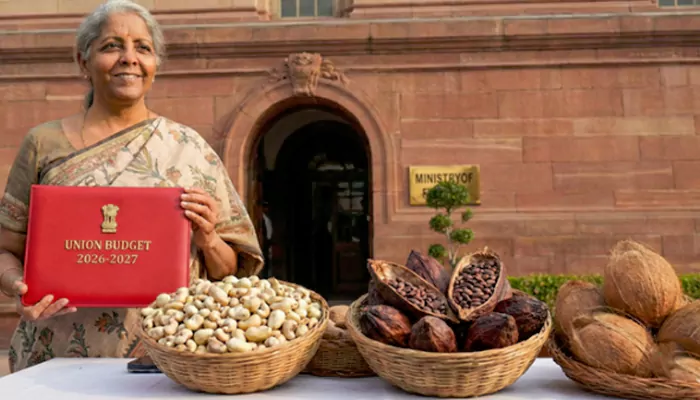
The Finance Minister broke the Sunday calm with a budget that finally admits the grain-heavy logic of the past won't secure our future. But can a ₹350 crore seed fund truly overhaul the coastal economy?
It wasn't the usual Monday morning affair. When the Finance Minister stood up this Sunday - a historic scheduling quirk - to present the Union Budget 2026-27, the mood shifted. We expected the usual slog through fiscal deficit targets. What we got was a quiet admission that the old agricultural playbook is dead.
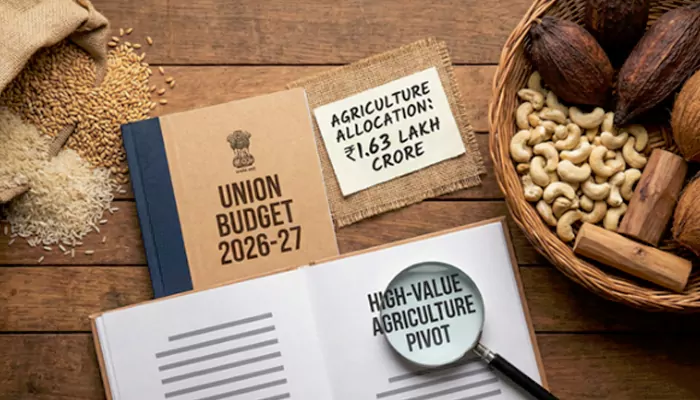
The headline numbers will tell you one thing: ₹1.63 lakh crore for agriculture. Standard. Expected. But if you look past the macro figures, down into the fine print of the "High-Value Agriculture" section, you’ll find a pivot that’s been ten years in the making. The government is finally looking beyond the wheat-rice cycle.
We are talking about the "Three Cs" - Cashews, Cocoa, and Coconuts. And significantly, they’ve added Sandalwood to the mix.
Small Checks, Big Ambitions
Let’s be precise about the money. The specific allocation for this high-value crop push is ₹350 crore.
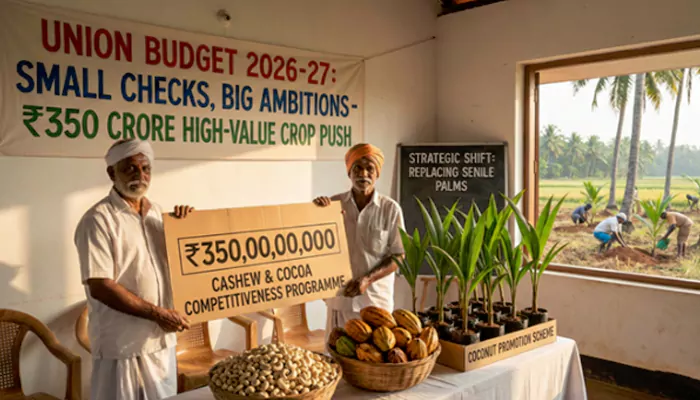
In the grand scheme of a trillion-rupee budget, it looks like a rounding error. However, context is everything here. This isn't a subsidy dump; it's a strategic directional shift. The launch of the "Coconut Promotion Scheme" isn't just about planting more trees; it’s about replacing the senile, unproductive palms that have dragged down Kerala and Tamil Nadu’s output for a decade. The standout announcement, though, is the "Cashew & Cocoa Competitiveness Programme."
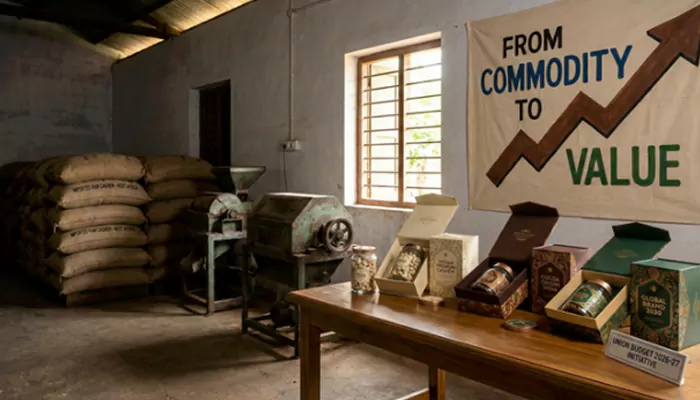
For years, we’ve imported raw cashew nuts from West Africa to process them in Kollam. That model is dying as African nations start processing their own.
The Budget’s response? A hard target: Make Indian Cashew and Cocoa "Global Premium Brands" by 2030. It’s an ambitious deadline, perhaps a bit optimistic, but it signals that the government wants to move from bulk commodity trading to value-added branding.
The Tech Layer: Bharat-VISTAAR
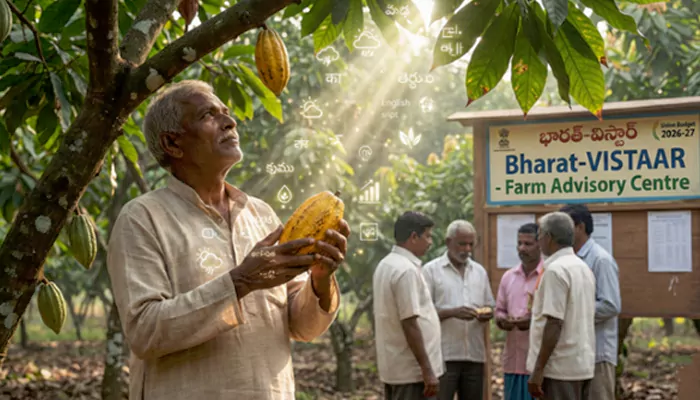
Then there’s the technology piece. Agriculture tech announcements usually feel like filler - glossy words with no dirt under their fingernails. But Bharat-VISTAAR might be different.
Described as a "multilingual AI consensus tool," it aims to link the existing AgriStack with real-time farm advisory. If - and it’s a big if - this system can actually tell a cocoa farmer in Andhra Pradesh when to harvest based on micro-climate shifts, we are looking at a genuine productivity leap. The budget allocates ₹150 crore specifically to this initiative, suggesting they’ve actually thought about the end-user.
A Forestry Revival?
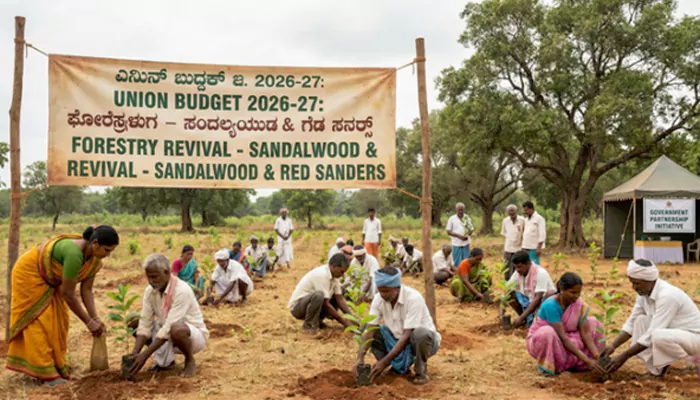
The inclusion of Sandalwood and Red Sanders is the sleeper hit of this budget. By proposing partnerships with state governments to "restore the glory of the Sandalwood ecosystem," the Centre is acknowledging that high-value forestry is, in fact, agriculture. It’s a move that could unlock massive value for farmers in Karnataka and Telangana who have historically been too scared of regulation to plant these trees.
This wasn't a budget for fireworks. It was a budget of maintenance and subtle redirection.
For the farmer in the North, it’s business as usual. But for the coastal cultivator, the 2026-27 Budget is a green light. The focus has shifted from calorie security to wallet security. The money is modest, yes. But the intent? That’s brand new. Now, we just watch the implementation.