Here are today’s most important updates from the realm of Science and Space.
Earth-Like Planet Found Close to Solar System, Say Astronomers
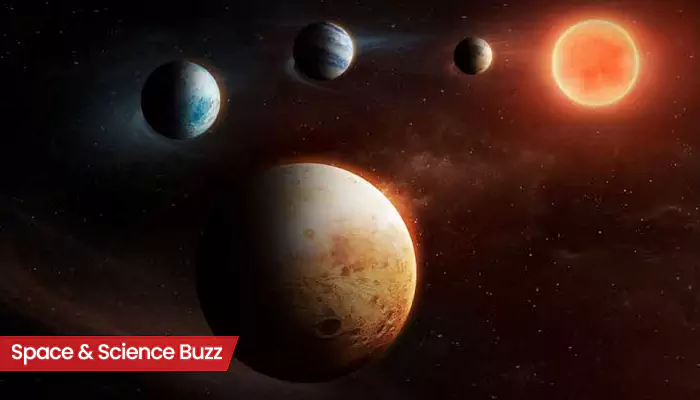
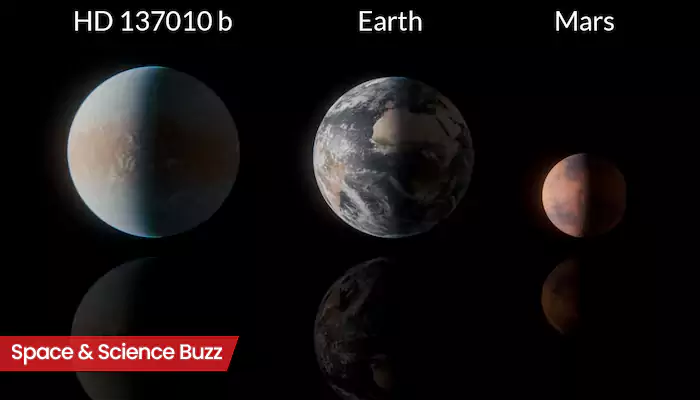
Astronomers have found a new planet that could possibly support life. The planet is about 146 light-years away, roughly the size of Earth, and has conditions similar to Mars. The newly discovered planet is called HD 137010 b. It orbits a sun-like star and is about 6% larger than Earth, reported the Guardian. An international team of scientists from Australia, the UK, the US, and Denmark discovered the planet using data obtained in 2017 from NASA's Kepler Space Telescope's extended mission, K2. Researchers estimate that the planet has about a 50% chance of being in its star's Hoble zone. Huang said that this planet is special because its star is only about 150 light-years from our solar system. She explained that the next best planet near a sun-like star in the Hoble zone is Kepler-186f, which is four times farther away and 20 times less luminous.
Scientists Detect Massive Metal Cloud Orbiting Unknown Planet
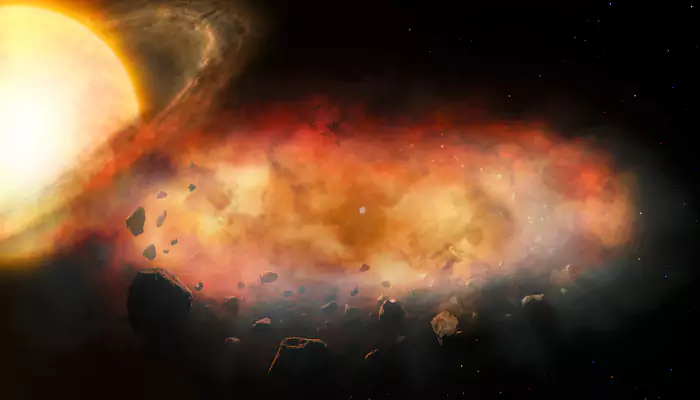
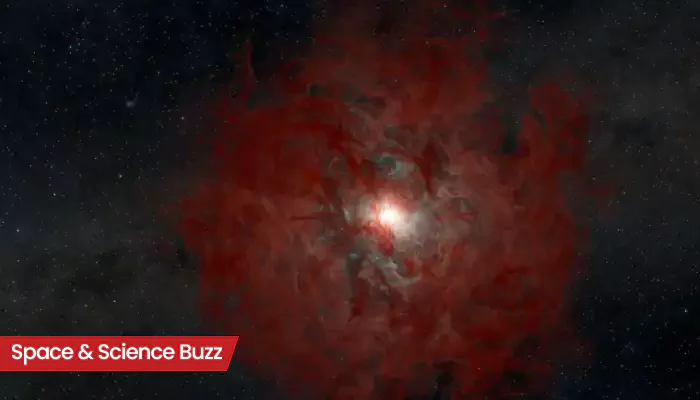
Astronomers have discovered a massive cloud of vaporized metals blocking the light of a distant star, and the cloud seems to be bound to an unknown object that could be either a large planet or a small star. This unusual find has offered scientists a rare opportunity to study the composition and movement of such a cloud in detail, according to reports. The discovery came in September 2024, when a Sun-like star, J0705+0612, located about 3,000 light-years away, became 40 times less luminous than usual. The star dimmed for about nine months and returned to its normal brightness in May 2025.
New Study Uncovers Shocking Medical Practices of Ancient Romans
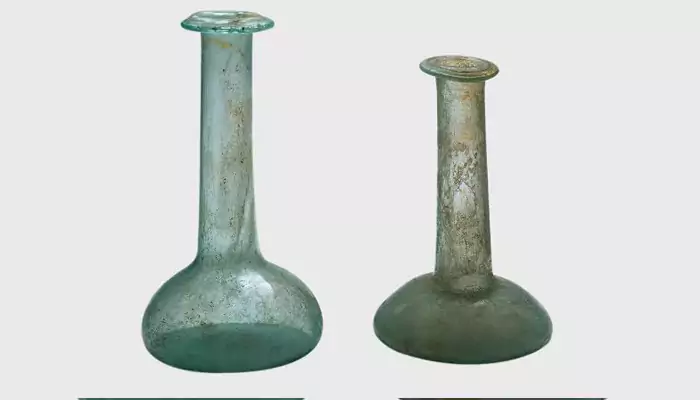
A surprising discovery by Turkish researchers has revealed that ancient Romans may have used human faeces for medicinal purposes. A 1,900-year-old Roman vial, found in western Turkey, provides what could be the first direct chemical evidence of this unusual remedy, according to a study published in the Journal of Archaeological Science. This vial, called an anguenterium-a small glass bottle traditionally used to hold perfume or medicine-was discovered by archaeologist Senker Atila from Sivas Cumhuriyet University in a storage room at the Bergama Museum, according to reports. He found "dark brown fragments" inside the bottle, prompting a deeper examination. The vial reportedly came from a tomb in the ancient city of Pergamon, a major medical center in the second and third centuries.
Scientists Capture Largest Volcanic Blast Ever Seen on Jupiter’s Moon
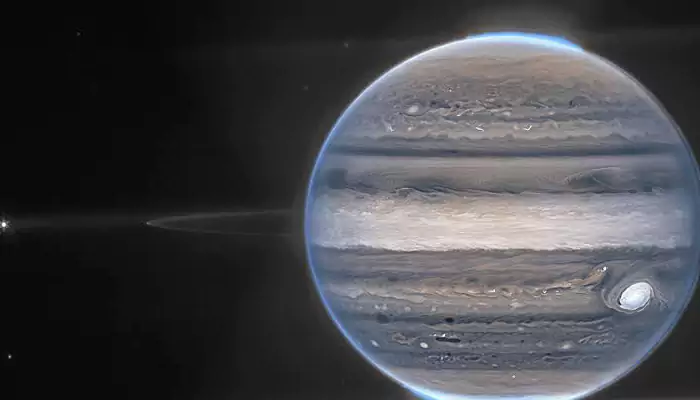
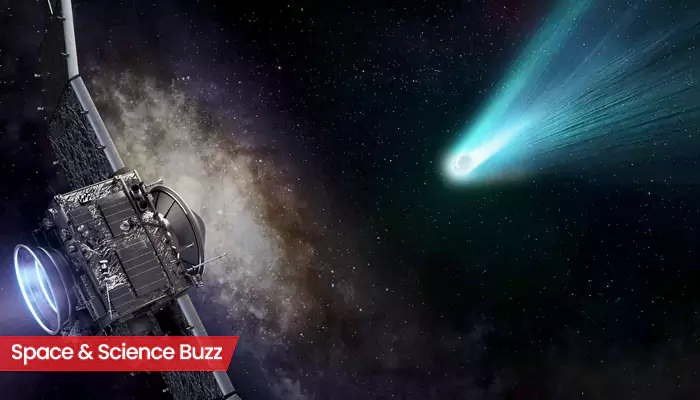
Space scientists have captured the most powerful volcanic event ever seen in our solar system on Jupiter's moon, Io. NASA's Juno spacecraft was flying past the moon on 27 December 2024 when it spotted a massive explosion. Several volcanoes erupted at the exact same time, covering an area of 40,400 square miles-roughly the size of Iceland. The event was so bright that it was a thousand times more powerful than usual. Experts believe this proves that the moon has a giant network of "magma pipes" or reservoirs hidden just beneath its crust. It acts a bit like a sponge, with liquid rock filling up holes underground. Because several volcanoes went off together, scientists think they are all connected to the same underground supply.