Ebola Alert at Delhi Airport: What International Travellers Should Actually Worry About And What They Shouldn’t
- Soham Halder
- 4 months ago
- 3 minutes read
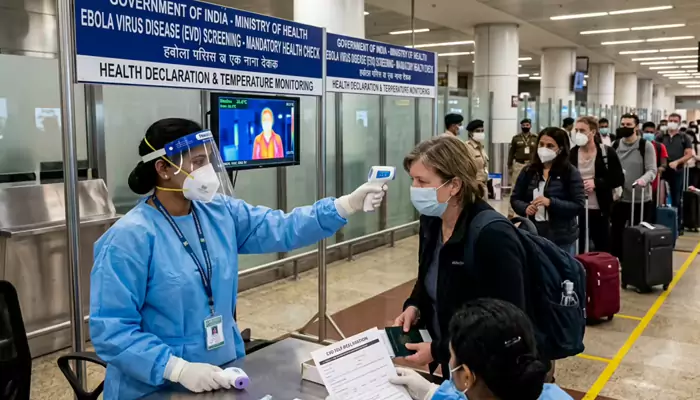
Health authorities at Delhi’s Indira Gandhi International Airport have issued an advisory for passengers arriving from or travelling through countries affected by recent Ebola concerns in parts of Africa. The advisory mainly focuses on travellers connected to Congo, Uganda, and South Sudan, where health monitoring measures have been strengthened as a precaution. Officials have clarified that no Ebola case has been detected in India so far.
Still, the news has created anxiety among travellers, especially after the emotional impact of the Covid-19 pandemic. Experts say it is important for people to stay informed without falling into panic.
Why the Advisory Has Caught Public Attention
After Covid, many people react strongly to any news involving: airports, disease outbreaks, screenings, or international travel warnings. Even precautionary advisories can quickly trigger fear because memories of lockdowns, travel restrictions, and health emergencies remain fresh for many families.
Experts say airport advisories are often preventive steps designed to monitor risks early, not signs of a large-scale emergency. In this case, authorities are focusing on awareness and screening rather than panic measures.
What Travellers Should Actually Worry About
Health experts say travellers should mainly focus on: basic health awareness, official advisories, and personal hygiene precautions. People travelling internationally should: monitor symptoms carefully, avoid misinformation online, and follow airport instructions honestly during screening procedures.
Experts also advise passengers to: avoid hiding travel history or symptoms, as early reporting helps health systems respond faster and more safely. Travellers with fever, weakness, or unusual illness after visiting affected regions should immediately seek medical advice instead of ignoring symptoms out of fear.
What Travellers Should Not Panic About
Experts stress that most people do not need to panic simply because an airport advisory has been issued. Ebola does not spread as easily as common viral infections like flu or Covid-19. The virus usually spreads through: direct contact with bodily fluids of infected individuals, not through casual everyday interaction.
Health experts say social media rumours often create unnecessary fear by making outbreaks appear closer or larger than they actually are. At present, there is no confirmed Ebola outbreak in India.
Airport Screening Is Mostly a Preventive Measure
Many travellers become nervous when they hear about: thermal screening, health questionnaires, or airport monitoring. But experts say these systems are now standard global precautions after the pandemic experience.
Airports worldwide have become more prepared for handling: international health alerts, suspicious symptoms, and emergency monitoring. In most situations, screening simply helps authorities identify potential risks early and reassure the public.
Social Media Can Increase Fear Quickly
One major concern experts highlight is misinformation. During health scares, social media often spreads: unverified videos, fake alerts, and exaggerated claims much faster than official information.
Experts advise travellers to: follow updates only from trusted health authorities and verified news sources. Forwarding rumours without confirmation can increase public panic unnecessarily.
Why Global Outbreak News Feels More Personal Today
Experts say Covid permanently changed how people emotionally react to disease outbreaks. Earlier, international health alerts often felt distant. Today, many people immediately worry about: travel restrictions, quarantines, and public health emergencies.
This emotional response is understandable, but experts say awareness works better than fear.
Closing Note: Stay Alert, Not Afraid
The Ebola advisory at Delhi Airport is mainly a preventive public health measure, not a sign of immediate danger in India. Experts say travellers should focus on: official guidance, hygiene, honest health reporting, and avoiding misinformation.
In a world connected by constant international travel, health monitoring at airports is becoming increasingly common. But staying calm, informed, and responsible remains the best response during any global health alert.


.webp)
.webp)