Your Child Still Needs Nets And Fever Tests. But Should A Malaria Vaccine Be On Your Checklist?
- Devyani
- 5 months ago
- 2 minutes read
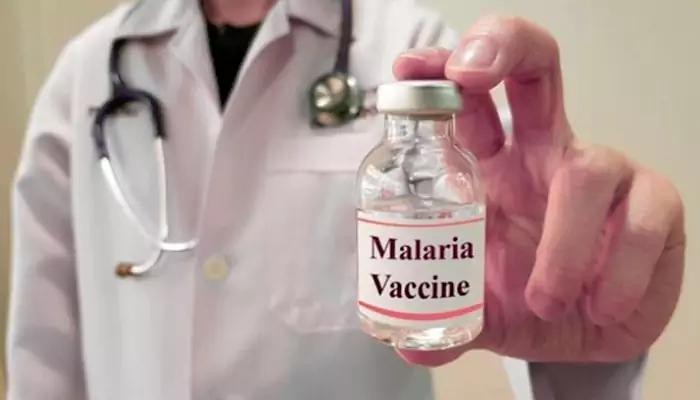
New WHO-backed evidence says malaria vaccines are saving young lives. For parents in high-risk areas, the next question is practical: what should they ask at the clinic?
Mosquito nets still matter. So do repellents, clean surroundings, quick fever testing and proper treatment. No one is throwing those out of the window.
But, quietly, the malaria fight has gained another layer. On 8 May 2026, WHO said new evidence published in The Lancet confirms that the RTS,S malaria vaccine reduced child deaths in Ghana, Kenya and Malawi. Over four years, an estimated 1 in 8 child deaths was averted among children eligible for vaccination in those countries.
That is not small. Not at all.
What changed?
This is real-world evidence, not only a controlled trial tucked away in a medical journal. The Lancet paper studied the vaccine’s introduction in routine childhood immunisation programmes, with RTS,S delivered in a four-dose schedule in Ghana, Kenya and Malawi.
WHO says the impact is likely to be as high or higher in other African countries now offering malaria vaccines to young children in areas with high malaria burden. The agency also notes that both RTS,S and R21 are recommended malaria vaccines for children in moderate-to-high transmission areas.
What should parents ask?
If you live in a malaria-prone area, ask your local health centre three simple things: is a malaria vaccine part of the local child-immunisation schedule, what age group is eligible, and how many doses are needed?
Also, don’t self-diagnose every fever. Malaria needs testing. A child with fever, chills, unusual tiredness, vomiting or poor feeding should be taken for medical advice quickly. Better to check once than regret later, basically.
What happens next?
Wider rollout will depend on country programmes, supply, funding and local health guidance. Parents should track official advice, not social media cures.
A malaria vaccine may join the checklist, but it does not replace nets, testing or timely treatment. Ask the clinic, then act accordingly.

.webp)
.webp)