
Gold Tariffs Rise Again: How Indians Are Shifting From Coins and Jewellery to Digital Gold Investments
- Soham Halder
- 4 months ago
- 3 minutes read
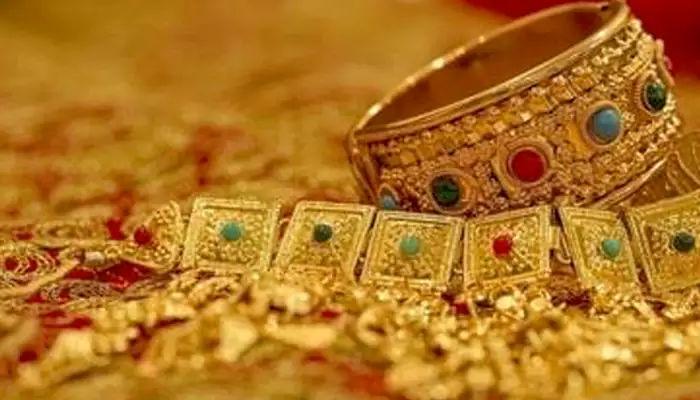
Gold has traditionally occupied a special place in Indian households. From wedding jewellery and festive purchases to long-term family savings, physical gold has often been viewed as both an emotional asset and a financial safety net.
But as India reportedly raises tariffs on gold and silver imports once again, many consumers are beginning to rethink how they invest in precious metals.
With prices remaining volatile and jewellery becoming increasingly expensive, a noticeable shift is emerging, especially among younger investors, from traditional gold buying toward digital and paper-based alternatives.
Why Gold Buying Habits Are Changing
For decades, Indians primarily bought gold in the form of:
- jewellery
- coins
- bars
- family heirlooms
But rising prices, making charges, storage concerns, and changing financial habits are gradually influencing consumer behaviour. Experts say many urban buyers now see gold not only as a cultural purchase, but also as an investment product.
As tariffs and global uncertainty continue affecting prices, consumers are becoming more careful about:
- how much gold they buy
- what form they buy it in
- whether physical ownership is necessary at all
Digital Gold is Becoming More Popular Among Young Investors
One of the biggest changes is the growing popularity of digital gold platforms and gold-linked financial products. Today, consumers can buy small amounts of gold online through:
- fintech apps
- payment platforms
- investment applications
- sovereign gold bond schemes
- gold ETFs
For younger investors, these options often feel more convenient than visiting jewellery stores. Digital gold also allows users to:
- invest in smaller amounts
- avoid storage worries
- track prices easily
- start investing without large budgets
This appeals particularly to salaried professionals and first-time investors looking for flexible savings options.
Jewellery Still Matters, But Buying Patterns Are Evolving
Despite the rise of digital investments, physical gold continues to hold deep emotional and cultural value in India. Wedding seasons, festivals, and family traditions still drive strong jewellery demand. However, jewellers say buying patterns are changing:
- consumers may choose lighter jewellery
- some delay large purchases
- others compare investment value more carefully before buying
There is also rising interest in:
- minimalist jewellery
- lower-weight designs
- exchange schemes
- lab-grown alternatives
This reflects a broader shift toward budget-conscious spending.
Why Economic Uncertainty Pushes People Toward Gold
Financial experts say gold often gains attention during periods of:
- inflation
- currency pressure
- global conflicts
- market volatility
Many households still see gold as a “safe” asset during uncertain times. At the same time, younger generations are increasingly balancing traditional gold ownership with:
- mutual funds
- SIPs
- stocks
- digital investment platforms
This creates a hybrid investment mindset where gold remains important, but not always in physical form.
Digital Convenience is Changing Investment Psychology
Technology is also changing how people emotionally relate to investments. Unlike earlier generations who stored gold physically at home or in lockers, younger consumers are more comfortable owning assets digitally. For them, convenience, liquidity, and flexibility often matter as much as physical possession.
As financial literacy improves, more buyers are evaluating:
- returns
- safety
- storage costs
- resale value
before making gold-related decisions.
Closing Note: India’s Relationship With Gold Is Evolving, Not Disappearing
Gold continues to remain deeply connected with Indian culture, celebration, and financial security. But rising tariffs, changing lifestyles, and digital investment options are slowly transforming how people approach precious metals. For many modern consumers, the future of gold may no longer be limited to jewellery boxes and lockers, it may increasingly live inside mobile apps and investment portfolios instead.


.webp)
.webp)