Bullet Train Image Confusion Goes Viral: How Social Media Turns Unverified Claims Into ‘News’
- Soham Halder
- 4 months ago
- 3 minutes read
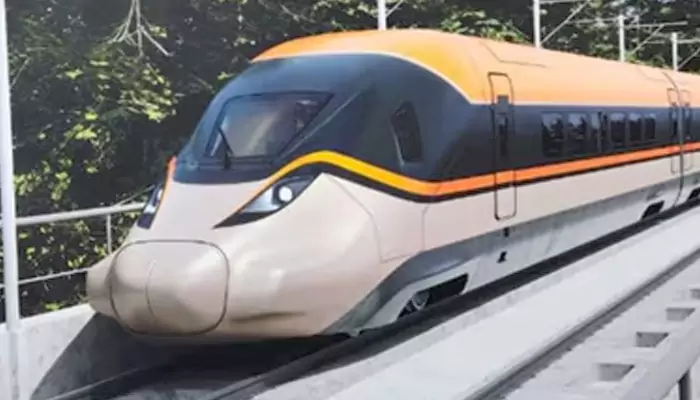
A single image displayed at Rail Bhawan recently triggered massive excitement online after many social media users believed it showed the final design of India’s upcoming bullet train. Within hours, the image spread rapidly across platforms, sparking debates, praise, criticism, and speculation.
Later, officials clarified that the image was only “representational” and not the actual final bullet train design. But by then, the confusion had already gone viral. The incident has once again highlighted a growing modern problem, how quickly social media can turn assumptions into widely accepted “facts” before official verification even arrives.
Why Viral Images Spread Faster Than Facts
Social media platforms are designed for speed and instant reactions. Visual content, especially futuristic or emotionally exciting images, often spreads much faster than detailed explanations or official clarifications.
In the case of the bullet train image, many users immediately assumed:
- the design was officially confirmed
- the train was closer to launch than expected
Experts say people often react emotionally to visuals before checking sources carefully. This behaviour has become increasingly common in the digital age, where online attention moves faster than fact-checking.
The Fascination Around Bullet Trains Made the Story Even Bigger
India’s bullet train project already attracts enormous public curiosity. For many citizens, high-speed rail represents:
- modern infrastructure progress
- faster and more comfortable travel
As a result, even a single image connected to the project quickly became viral content. Experts say aspirational topics often spread rapidly online because they trigger excitement, pride, and strong public opinions.
Why “Representational Images” Often Create Confusion
Many companies and government agencies use representational visuals for presentations and planning purposes. However, on social media, these images are often:
- shared without context
- misunderstood as confirmed reality
Experts say once an image leaves its original setting, the explanation attached to it frequently disappears. This creates a situation where viewers see only the visual, not the clarification behind it.
In today’s fast-moving digital environment, that can quickly fuel misinformation.
Social Media Users Are Reacting Faster Than They Verify
Digital experts believe modern internet culture encourages immediate reactions. People often:
- repost before reading details
- trust viral posts shared repeatedly
This creates an “echo effect” where assumptions begin to feel like facts simply because many people are discussing them.
Experts warn that such behaviour affects not just entertainment stories, but also public understanding of politics, health, infrastructure, and national projects.

Why Verification Matters More Than Ever
The bullet train image controversy may seem harmless, but experts say it reflects a broader issue in online communication. Misinformation today does not always come from intentionally fake content. Sometimes, confusion spreads simply because:
- context is missing
- users react too quickly
Experts encourage people to:
- check official statements
- avoid forwarding unverified claims
before assuming viral content is accurate.
Closing Note: Viral Culture Is Changing How People Understand News
The bullet train image confusion shows how modern social media often prioritises speed over verification. In a digital world driven by instant reactions, even one unclear image can create nationwide assumptions within minutes.
And as online platforms continue shaping public conversations, the ability to pause, verify, and question viral claims may become one of the most important digital habits for users today.


.webp)
.webp)