Your Salary Is Same, Expenses Aren’t: How to Rebuild Your Budget for 2026
- Soham Halder
- 9 months ago
- 3 minutes read
Inflation doesn’t wait, neither should your money plan.
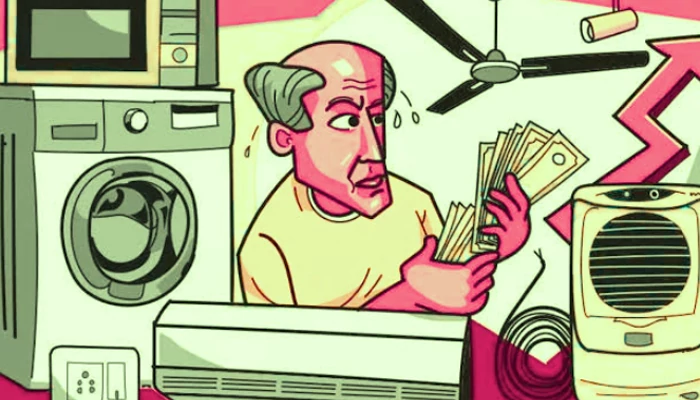
You open your bank app at the end of the month and wonder, Where did the money go? Your salary hasn’t changed, but everything else has. Groceries cost more, electricity bills bite harder, rent keeps creeping up, and even weekend outings feel expensive.
Welcome to the financial reality most Indians are entering in 2026: flat income, rising expenses. The good news? You don’t need a salary hike to regain control. You need a smarter, updated budget that reflects today’s costs, not last year’s assumptions.
Why Old Budgets Are Failing in 2026
Many people still plan their finances based on pre-inflation habits. But everyday expenses have quietly inflated:
- Food prices fluctuate more frequently
- Fuel and transport costs remain unpredictable
- Subscriptions multiply unnoticed
- Healthcare and insurance premiums keep rising
The problem isn’t overspending, it’s under-updating your budget. What worked in 2023 or 2024 no longer fits today’s reality.
Step One: Recalculate Your “Real” Monthly Costs
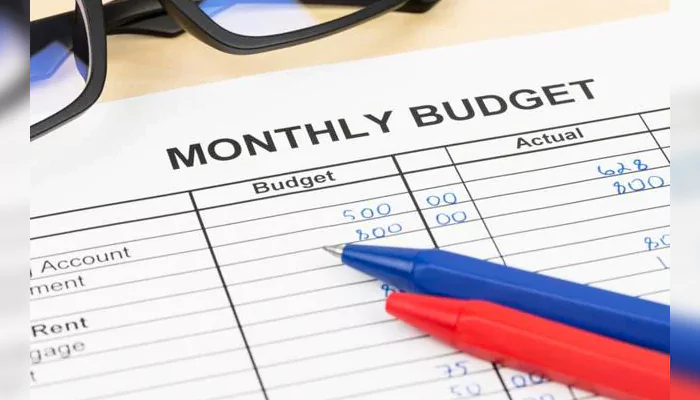
Before cutting expenses, understand them. Track one full month of spending every rupee. Divide it into three buckets:
- Fixed essentials: rent, EMIs, school fees, insurance
- Variable necessities: groceries, electricity, fuel, mobile bills
- Lifestyle spends: dining, OTT subscriptions, shopping, travel
Most Indians underestimate variable necessities. Groceries alone can overshoot by thousands without notice. This clarity is the foundation of rebuilding your budget.

Step Two: Switch from Ideal Budget to Practical Budget
Forget textbook rules like the 50-30-20 formula if they don’t fit. In 2026, flexibility matters more than perfection.
Instead, try:
- Needs-first budgeting: Secure essentials before lifestyle spends
- Expense caps, not bans: Allocate realistic limits instead of cutting joy entirely
- Weekly check-ins: Monthly reviews are too late to fix overspending
A budget should adapt to your life, not force guilt every time you step outside.
Step Three: Kill the “Silent Drainers”
These are small expenses that feel harmless but add up fast:
- Multiple OTT subscriptions
- Food delivery charges and convenience fees
- Impulse online purchases
- Auto-renewed apps you no longer use
Cancel or downgrade what you don’t actively use. One subscription saved may not feel big, but five together can free up serious cash.
Step Four: Build Inflation-Proof Saving Habits
If saving feels impossible, you’re not alone. The trick is to save differently, not more.
Try this:
- Automate savings the day your salary hits
- Start small even 5% matters
- Split savings into goals: emergency fund, short-term needs, long-term wealth
An emergency fund covering three to six months of expenses is no longer optional—it’s essential in an unpredictable economy.
Step Five: Rethink Lifestyle Without Feeling Deprived
Budgeting doesn’t mean killing enjoyment. It means spending intentionally.
- Choose one luxury you truly value and cut mindless spending elsewhere
- Replace frequent outings with planned experiences
- Use cashback, rewards, and credit wisely, not emotionally
Smart money habits are about control, not sacrifice.
Step Six: Upgrade Your Financial Mindset for 2026
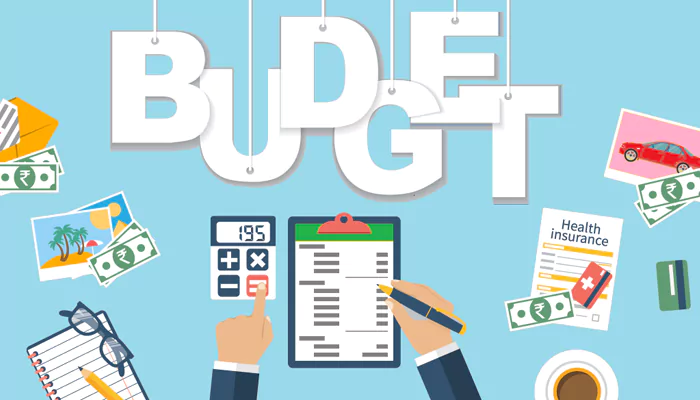
In today’s economy, budgeting is not about survival, it’s about stability. Accept that:
- Your salary may not rise every year
- Expenses will fluctuate
- Financial peace comes from preparation, not prediction
The Indians who will thrive in 2026 aren’t necessarily earning more, they’re managing better.
If your budget feels tight, outdated, or frustrating, it’s time to rebuild, not blame yourself. Money management in 2026 demands honesty, adaptability, and regular check-ins.
Because when expenses evolve, your budget must evolve faster.