Rupee Falls To Record Low: What Travellers, Students And Online Shoppers Should Check Today
- Devyani
- 5 months ago
- 3 minutes read
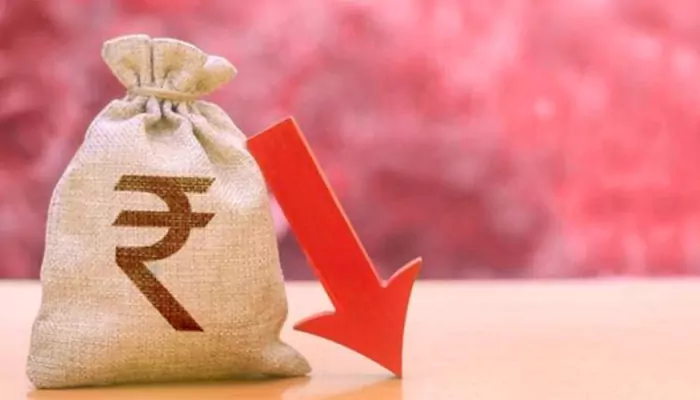
As the rupee slips to a fresh record low against the dollar, the impact may show up not only in markets, but in forex cards, overseas fees and online checkout pages.
The rupee weakened to a fresh record low in early trade on May 5, falling to around 95.40–95.43 against the US dollar, according to early market reports. A day earlier, Reuters said the rupee had already closed at a historic low of 95.0875 per dollar, hurt by NDF maturities, higher crude and persistent capital outflows.
For most people, this is not a trading-screen story. It becomes real when a student pays a university fee abroad, when a traveller loads a forex card, or when someone buys software, gadgets, subscriptions or courses priced in dollars. The rate board changes quietly. The final amount, not so quietly.
Why The Rupee Is Under Pressure
Reuters reported that India is exploring ways to bring in more dollar inflows as the currency comes under pressure, including possible measures linked to NRI deposits and foreign investments in government bonds. The rupee’s slide has been linked to elevated oil prices, safe-haven dollar demand and foreign investor outflows.
That matters because India imports a large part of its energy needs. When oil becomes costlier or the dollar becomes stronger, demand for dollars rises. The rupee then has to carry more weight. Simple mechanics, expensive consequences.
What Travellers Should Check
Travellers should not only ask, “What is today’s dollar rate?” They should ask for the final loaded rate on forex cards, cash dollars and international debit or credit cards. Bank markups, GST on currency conversion and ATM withdrawal charges abroad can make the actual cost higher than the headline exchange rate.
Small difference. Big bill.
What Students And Online Shoppers Should Watch
Students paying application fees, tuition deposits or visa-related charges should compare payment timing and bank conversion charges. If the fee is due this week, waiting blindly for a better rate may not help; missing a deadline is worse.
Online shoppers should check whether the site bills in INR or foreign currency. Subscriptions, AI tools, cloud services, gaming passes and imported products can all become slightly costlier when the rupee weakens.
The Novel Check: Make A “Dollar Basket”
Here is a useful trick. Create a quick “dollar basket” of all upcoming payments: travel, exam fees, subscriptions, tuition, hotel bookings, software. Add them up in dollars first, then convert at today’s card or bank rate. That tells you your real exposure, not just the news headline.
The rupee’s fall need not trigger panic buying of dollars. But today, anyone with foreign payments should check the final conversion rate, fees and deadlines before paying. The hidden cost is often in the fine print.