Credit Card Clean-Up: How to Use January to Reset Your Credit Score
- Soham Halder
- 8 months ago
- 4 minutes read

From Debt Hangover to Credit Glow-Up: Why January Is Your Reset Month!
January is more than just a fresh page on the calendar, it’s a rare financial breather. Festive expenses are done, annual bonuses may have arrived, and spending slows down naturally. For Indian consumers juggling multiple credit cards, this pause makes January the perfect month to repair, reset, and strengthen your credit score.
If your credit score took a hit due to festive splurges, EMIs piling up, or late payments, don’t panic. A well-planned January clean-up can set the tone for a financially healthier year.
Why January Is the Best Month for a Credit Reset
Financial behaviour follows seasons. Between October and December, spending peaks; travel, shopping, gifting, and dining out dominate. January, however, brings a mental shift toward control and discipline.
Banks also update credit data regularly, meaning positive actions taken in January can reflect early in the year, helping you qualify for better loans, lower interest rates, and higher credit limits by mid-year.
In short: small fixes now can unlock big benefits later.
Step One: Check Your Credit Report; No Skipping This
Before fixing anything, you need clarity. Download your credit report from any major Indian credit bureau. Don’t just glance at the score—scan the details.
Look for:
- Missed or delayed payments
- High credit utilisation
- Errors in outstanding balances
- Closed cards still showing active
Many people discover mistakes they didn’t even know were hurting their score. Flagging and correcting these early in January can prevent months of unnecessary damage.

Step Two: Bring Credit Utilisation Under Control
One of the biggest credit score killers in India is high credit utilisation, meaning you’re using too much of your available limit. Ideally, you should use less than 30 percent of your total credit limit across all cards.
January is ideal to:
- Pay down outstanding balances using bonuses or savings
- Spread expenses across cards instead of maxing out one
- Avoid converting small purchases into EMIs unnecessarily
- Lower utilisation instantly improves how lenders view you even before your score updates.
Step Three: Kill the Late Payment Habit
Late payments hurt your credit score more than most people realise. Even a delay of a few days gets recorded.
- Make January your automation month:
- Set auto-debit for minimum due amounts
- Align due dates across cards if possible
- Add reminders one week before payment dates
Consistency matters more than perfection. A streak of on-time payments starting January sends strong positive signals to credit bureaus.
Step Four: Close Cards You Don’t Need but Carefully
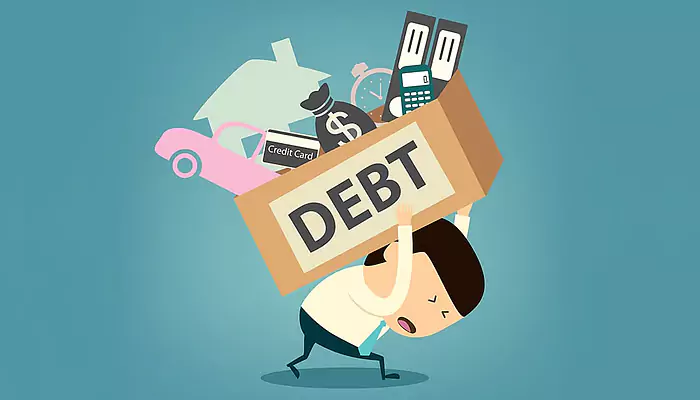
Multiple unused cards can feel harmless, but they increase the risk of missed payments and fraud. However, closing cards blindly can backfire.
Smart clean-up rules:
- Don’t close your oldest credit card, it boosts credit history length
- Close cards with high fees and no real benefits
- Always clear outstanding dues before closure
A leaner wallet is easier to manage and safer for your credit health.
Step Five: Don’t Fall for “Quick Fix” Credit Myths
January is also peak season for credit myths, especially on social media. No, checking your credit score does not reduce it. No, paying minimum due every month is not healthy. And no, taking a loan just to improve your score is unnecessary.
What actually works is boring but powerful: discipline, low utilisation, and timely payments.
Step Six: Use Credit Cards Strategically, Not Emotionally
A reset doesn’t mean abandoning credit cards. It means using them with intention.
January is a good time to:
- Link cards only to planned expenses like fuel or groceries
- Track reward redemption so benefits don’t expire
- Stop impulse swiping disguised as “cashless convenience”
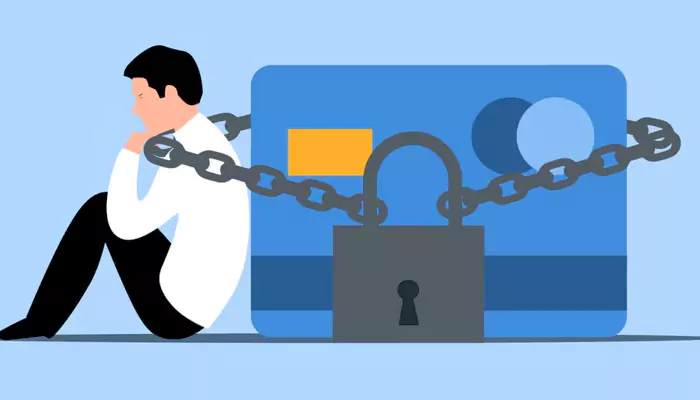
Credit cards should support your lifestyle, not silently sabotage it.
The Long-Term Payoff of a January Reset
A healthier credit score doesn’t just mean bragging rights. It translates into:
- Lower interest rates on home and car loans
- Faster approvals
- Better negotiation power with banks
- Financial confidence throughout the year
Think of January as the foundation month. What you fix now determines how smooth or stressful the rest of your financial year feels.
Credit scores aren’t rebuilt overnight, but January gives you momentum. Clean habits formed now are easier to maintain, harder to break, and incredibly rewarding over time. Instead of waiting for a financial emergency to act, use this calm month to take control.
Your future self and your credit report will thank you.