Resolution vs. System: What Successful People Actually Follow
- Soham Halder
- 8 months ago
- 4 minutes read

Goals excite you. Systems transform you.
Every January, the same ritual repeats itself. Gyms fill up, productivity apps spike in downloads, and WhatsApp groups buzz with bold promises—lose weight, save more, wake up early, switch careers. Yet by February, most of these resolutions quietly disappear. This isn’t a failure of intention. It’s a failure of approach.
Successful people, whether entrepreneurs, athletes, or creators, rarely rely on resolutions alone. What they follow instead is something far less glamorous but infinitely more effective: systems.
What Is a Resolution and Why It Usually Fails
A resolution is a desired outcome. “I will lose 10 kilos.” “I will save Rs. 5 lakh.” “I will read 20 books this year.” While these goals sound motivating, they depend heavily on willpower and motivation, both of which are unreliable.
Research in behavioural psychology shows that motivation fluctuates. Stress, illness, work pressure, or even weather can derail the strongest intent. In India especially, where daily routines are influenced by family obligations, long work hours, and unpredictable schedules, rigid resolutions often clash with reality.
The result? Guilt, frustration, and eventually, giving up.
What Is a System and Why It Works Better
A system focuses on process, not outcome. Instead of saying, “I will save Rs. 5 lakh,” a system says, “I will automatically transfer 10% of my salary into a separate account every month.”
Systems are designed to work even when motivation is low. They remove daily decision-making and replace it with structure. Once in place, they run quietly in the background like autopilot for your life.
This is why successful people appear consistent. It’s not discipline alone; it’s design.

Resolution vs. System: A Simple Comparison
A resolution asks: What do I want to achieve?
A system asks: What will I do every day or week?
For example:
Resolution: “I will get fit.”
System: “I will walk 7,000 steps daily after dinner.”
Resolution: “I will become financially disciplined.”
System: “I will track expenses every Sunday for 10 minutes.”
One depends on enthusiasm. The other depends on habit.
Why Systems Suit Indian Lifestyles Better
Indian lives are rarely linear. Festivals, weddings, family responsibilities, and work pressures can disrupt even the best plans. Systems offer flexibility within structure. Missing a day doesn’t feel like failure because the system continues.
Take fitness. Instead of a strict gym resolution, many Indians in 2025 shifted to systems like:
- 20-minute home workouts
- Daily step goals
- Fixed “movement slots” in the day
These systems adapted to real life and that’s why they worked.
Successful People Think in Inputs, Not Outcomes
High achievers focus on controllable inputs. You cannot control whether a business succeeds, but you can control how often you learn, network, and execute. You cannot guarantee weight loss, but you can control how often you move and what you eat most days.
This mindset reduces anxiety. When your focus shifts from results to routines, progress becomes calmer and more sustainable.
How to Turn a Resolution into a System
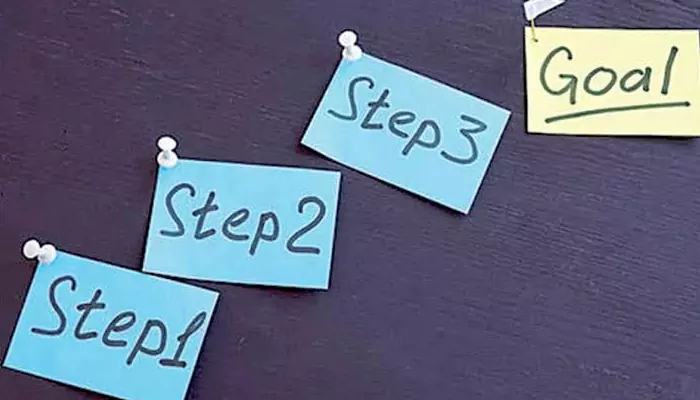
Here’s a simple three-step method:
- Shrink the goal
- Big goals intimidate the brain. Break them into small, repeatable actions.
- Attach it to an existing habit
- Make failure harder than success
- Keep workout clothes visible. Automate savings. Block distracting apps.
Example: Read 5 pages after brushing your teeth at night. The goal isn’t perfection, it’s consistency.
Why Systems Compound Over Time
The real magic of systems is compounding. Small actions repeated daily create massive change over months and years. This is why people who look “overnight successful” often have years of invisible systems behind them.
By December, they’re not relying on New Year motivation, they’re relying on routines that already work.
Resolutions feel exciting because they imagine a better future. Systems work because they respect the present. If you truly want change this year, don’t ask yourself what you want to achieve. Ask yourself what you’re willing to repeat.
Because in the end, success isn’t built on big promises, it’s built on small systems done consistently.