World Cancer Day: AI vs Cancer; How Algorithms Are Detecting Tumours Faster Than Humans
- Soham Halder
- 8 months ago
- 4 minutes read
Cancer has always been a race against time. The earlier it’s detected, the better the chances of survival. On this World Cancer Day, a powerful new ally is redefining how early that race can begin Artificial Intelligence (AI).
Once limited to science fiction, AI is now playing a real-world role in hospitals, labs, and diagnostic centres across India. From spotting tiny tumours in scans to predicting cancer risk years in advance, algorithms are doing what humans sometimes can’t, detect cancer faster, earlier, and with remarkable accuracy.
Why Early Detection Matters More Than Ever
In India, cancer is often diagnosed late. Symptoms are ignored, screenings are skipped, and by the time patients reach a specialist, the disease has already progressed. According to oncologists, early-stage cancer can have survival rates above 80–90%, but that number drops sharply once detection is delayed.
This is where AI steps in, not as a replacement for doctors, but as a powerful second set of eyes that never gets tired.
How AI “Sees” What Humans Might Miss
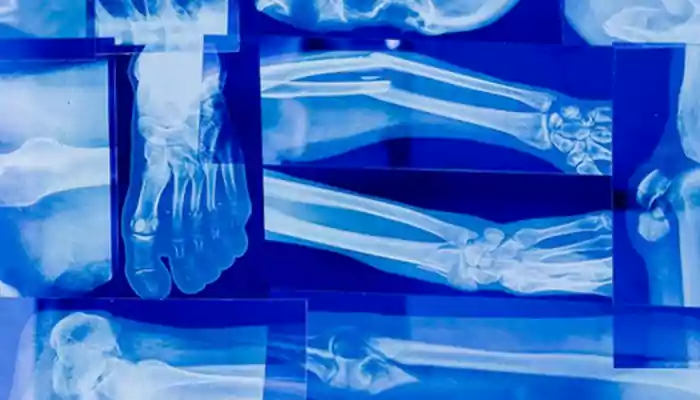
AI systems are trained using millions of medical images, X-rays, CT scans, MRIs, mammograms, and biopsy slides. By analysing patterns invisible to the human eye, algorithms can detect abnormalities at a microscopic level.
For example:
- In lung cancer, algorithms can identify tiny nodules that radiologists may overlook
- In skin cancer, AI-powered tools can analyse moles and lesions within seconds
What takes a human specialist several minutes or even hours, AI can process in seconds, with consistency that doesn’t fluctuate due to fatigue or workload.
AI in Indian Healthcare: A Quiet Revolution
India is increasingly embracing AI-driven healthcare, especially in urban diagnostic chains and government-supported pilot programmes. AI tools are now assisting doctors in:
- Cancer screening camps in remote areas
- High-volume hospitals handling thousands of scans daily
- Reducing diagnostic delays caused by staff shortages
For a country with limited oncologists per capita, AI helps bridge the gap between demand and expertise.
Importantly, AI doesn’t “decide” treatment. It highlights risks, prioritises cases, and supports doctors in making faster, better-informed decisions.
Beyond Detection: Predicting Cancer Before It Starts
The role of AI doesn’t end at finding tumours.
Advanced algorithms can analyse patient data, genetics, lifestyle, medical history, and environmental exposure to predict cancer risk. This means doctors can monitor high-risk individuals more closely, recommend lifestyle changes, or schedule early screenings long before symptoms appear.
This shift from reactive treatment to proactive prevention could be one of AI’s biggest contributions to cancer care.
Trust, Accuracy, and the Human Touch
A common concern is whether machines can truly be trusted with something as serious as cancer. The answer lies in collaboration.
Studies show that doctors working with AI perform better than doctors or AI working alone. Algorithms reduce human error, while doctors provide context, empathy, and ethical judgment, things machines can’t replicate.
In cancer care, trust isn’t just about accuracy; it’s about compassion. AI handles data, but doctors handle people.
Challenges That Still Need Solving
Despite its promise, AI in cancer care faces challenges:
- Limited access in rural and smaller hospitals
- High setup costs and data privacy concerns
- The need for Indian-specific datasets to improve accuracy
However, as technology becomes more affordable and policies evolve, experts believe AI will soon become a standard tool, not a luxury.
The Bigger Message This World Cancer Day
Cancer remains one of India’s toughest health battles, but the fight is changing. AI is giving doctors a crucial head start, patients a better chance, and healthcare systems a smarter way forward.
On this World Cancer Day, the message is clear: when human expertise meets intelligent technology, cancer doesn’t stand alone anymore.
The future of cancer care isn’t just hopeful, it’s already learning, analysing, and saving lives.