The love handles, the inner thigh fat need a lot of work. Here’s why
Stubborn fat- the nemesis of many in their weight loss journey. But what exactly is it, and why does it seem to linger longer in some areas of our bodies? Let's break it down into simpler terms.
Stubborn fat is like the persistent guest at a party who just won't leave when it's time to go. It's that type of fat that hangs around even when you've been hitting the gym and watching your diet.
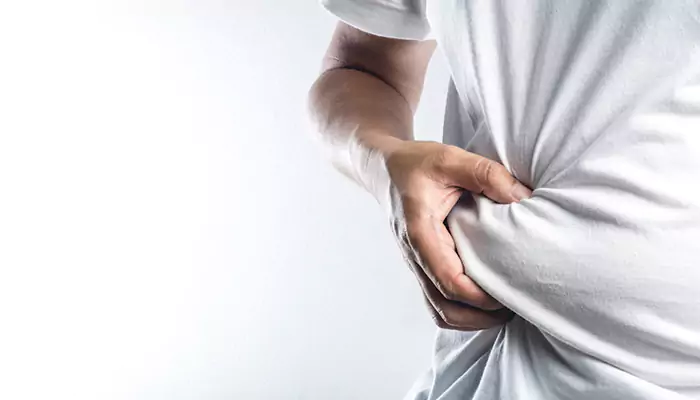
Think of it as the clingy fat that loves to reside in specific spots, like the belly, lower back, and hips. It's not just any fat; it's more metabolically active and packed with inflammatory proteins, making it a bit more resistant to our efforts to shed it.
So, why is this fat so stubborn, you ask?
Fat Cell Behavior: Picture fat cells as stubborn little storage units. They have these receptors on their surface that control how easily they release stored fat. In stubborn areas, these receptors are less willing to let go of fat, making it a challenge to break down.
Blood Flow Blues: Imagine your bloodstream as a delivery system, shuttling nutrients and waste products around. In areas with stubborn fat, like your lower belly or thighs, the blood flow might not be as efficient. This means fewer signals reach the fat cells, making it harder to release stored fat.
Genetics: Yep, good ol' genes play a role too. Some folks are just genetically predisposed to storing fat in certain areas more than others. Blame it on your DNA for favoring those love handles or belly pooch.
Hormonal Hijinks: Hormones are like the conductors of our body's orchestra, directing everything from mood to metabolism. When hormones like cortisol (hello, stress!) or insulin aren't playing nice, they can mess with how fat is stored and released, making certain areas more stubborn than others.
Here are the hardest part to lose fat in.
Abdomen
Stubborn abdominal fat particularly visceral fat, tends to accumulate around internal organs like the liver and kidneys. Its metabolic activity and association with health risks such as heart disease and diabetes make it particularly stubborn to lose. Genetics can also influence fat distribution, with some people naturally predisposed to store more fat in the abdominal region.
Upper arms
In the case of arm fat, daily activities that involve lifting and carrying objects can strengthen arm muscles. While this is beneficial for overall strength, it can also lead to the accumulation of stubborn arm fat. Resistance training exercises like weightlifting or resistance band workouts can help target arm fat and build lean muscle mass, aiding in fat loss and toning.

Thighs
Similarly, thigh fat is notorious for its stubbornness.
Sedentary lifestyles and poor dietary habits contribute to the accumulation of fat in the thigh area. Creating a calorie deficit by burning more calories than consumed is crucial for losing thigh fat. This involves increasing physical activity levels and monitoring food intake. Targeted exercises such as squats, lunges, and leg presses can help tone and strengthen the thighs while burning excess fat.
Understanding the factors contributing to stubborn fat accumulation in these areas is essential for developing effective strategies for fat loss. By implementing targeted lifestyle changes and exercises, individuals can work towards reducing fat and achieving their desired body composition.