
Unveiling the Latest: 6 Crucial Insights into the Updated COVID Vaccines Amid AstraZeneca's Rare Side Effects Confession
- Admin
- 2 years ago
- 3 minutes read

AstraZeneca has admitted that its Covid-19 vaccine, known under multiple brand names such as Covishield, may result in uncommon adverse effects, including blood clots, as stated during a legal dispute.
Nevertheless, there is less cause for concern with the emergence of updated COVID vaccines in the market. These vaccines, made from mRNAs, exhibit fewer side effects compared to conventionally produced COVID-19 vaccines.
The latest mRNA COVID vaccines, introduced in late 2023, offer enhanced protection against severe illness, hospitalization, and death. Approved by the FDA and CDC for individuals aged 6 months and older, Pfizer-BioNTech, Moderna, and Novavax vaccines are available. Recently, the CDC recommended an additional dose for adults over 65. Common, mild, or moderate side effects indicate the vaccine's efficacy, though absence doesn't imply ineffectiveness; responses vary. This progress underscores the importance of vaccination in safeguarding against COVID-19's worst outcomes, fostering a safer environment for all.
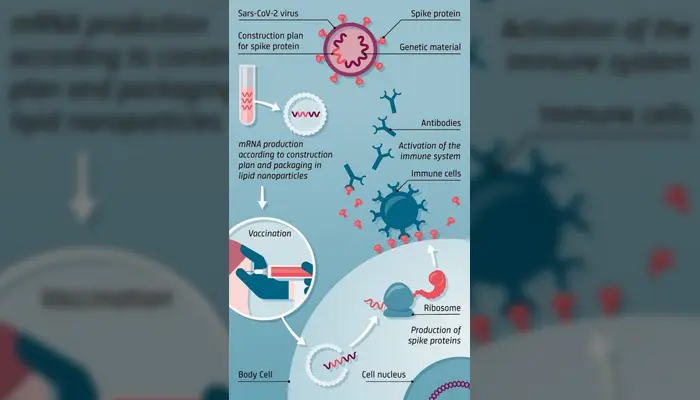
In this context, let's delve into six distinct aspects regarding the updated COVID-19 vaccine.
Why Would Another COVID Vaccination Help?
The updated vaccines target severe illness, hospitalization, and death from COVID, not mild cases. COVID remains a significant cause of serious respiratory illness, with 7,318 hospitalizations in the first week of April 2024. Older individuals, especially those over 50, face higher risks. Even young, healthy people have succumbed to COVID. Immunocompromised individuals and those with chronic conditions are at highest risk. The CDC recommends vaccination for pregnant women to safeguard both mother and baby.
How is the Updated COVID Vaccine Different From the Previous One?
The bivalent booster, phased out since fall 2022, addressed BA.4, BA.5 Omicron subvariants, and the original SARS-CoV-2. The current monovalent vaccine targets severe disease from Omicron XBB.1.5.
Why isn’t the New COVID Vaccine Considered a Booster?
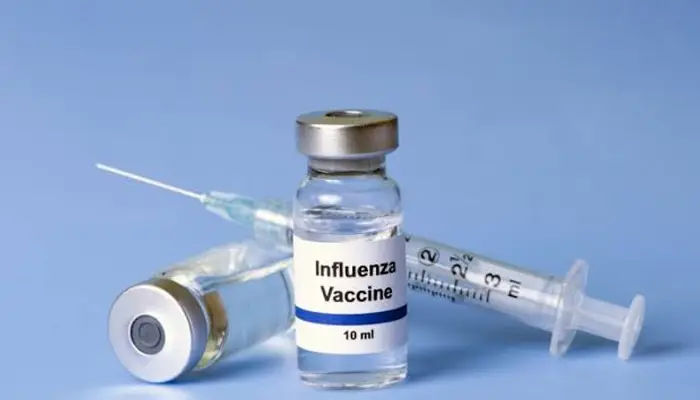
The FDA labels the latest shots "updated vaccines," foreseeing yearly updates akin to the flu shot. Booster shots enhance existing immunity, while updated vaccines adapt to current variants, fostering new immune responses. These vaccines, developed in advance, aim to match circulating variants, though efficacy may vary. This approach mirrors the annual flu vaccine's strategy, aiming to stay ahead of evolving strains.
How Safe is the Updated COVID Vaccine?
The CDC assures COVID vaccines' safety and efficacy, continuously monitored since their 2020 emergency approval. The updated mRNA vaccines for 2023-2024 follow a similar manufacturing process. Benefits consistently outweigh risks, with serious reactions rare.
When Should I Get the Updated COVID Vaccine?
For individuals aged 5 and older, a single dose of the updated vaccine can be administered at least two months after any previous COVID vaccination. Babies and young children typically require multiple doses, while older children and teens may need only one. Those recently infected with COVID may opt to delay vaccination by three months.
People aged 65 and older should receive their second dose of the updated vaccine at least four months after the initial dose. Immunocompromised individuals in this age bracket should get an additional dose at least two months after the first.
Should I Get the Updated COVID Vaccine and Other Seasonal Shots at the Same Time?
The CDC approves simultaneous COVID and flu shots, with ongoing research for a combined vaccine. However, data lacks for administering RSV vaccines alongside these. RSV vaccines, new for older adults and pregnant women since fall 2023, lack definitive guidance on concurrent administration with COVID and flu shots.