
Vital Health Milestones: The Must-Have Medical Tests to Prioritize After Age 30

Caring for our vehicles and gadgets is routine; why not extend the same diligence to our well-being? Our health profoundly influences our quality of life, warranting dedicated maintenance, like frequent health checkups. Just as we ensure the longevity of our possessions, nurturing our health guarantees a vibrant life filled with joy and vitality. Let's prioritize our well-being, granting it the attention it deserves, mirroring the care we invest in our cherished belongings.
As you enter your 30s, focusing on your health becomes pivotal. Consider these routine check-ups to detect and prevent concerns promptly.
Turning 30: Prioritizing Preventive Health Checks

Reaching the age of 30 serves as a reminder, urging a thorough health assessment due to our modern lifestyles. In accordance with India's National Health Program guidelines, screening for non-communicable diseases initiates after this milestone. This transition also marks a significant juncture for proactive well-being. Presently, comprehensive health checks encompass the essential tests, ensuring holistic care and fostering a healthier tomorrow.
Here are some crucial medical tests that you should consider after turning 30.
Blood Sugar Level: Fasting and Post Fasting

As you enter your thirties, it's a good practice to monitor your blood sugar regularly for potential diabetes indicators. By undergoing fasting and post-meal tests, you can gain insights into how your body processes sugar. This proactive approach allows you to bring about lifestyle adjustments or seek necessary guidance promptly.
Lipid: Blood Cholesterol Level

As you step into your thirties, there's a pivotal focus on health that comes into play – including the significance of checking your cholesterol levels. "Having high levels of LDL cholesterol is tied to a higher chance of heart disease, whereas elevated HDL cholesterol levels are deemed beneficial for heart health." This monitoring practice directs adjustments in your diet to attain the best levels and lower the risk of heart disease. Interestingly, a study published in the Oman Medical Journal shed light on the potential of lipid serum level measurements in foreseeing cancer progression. Notably, increased LDL levels might indicate an augmented risk of cancer metastasis, providing early insight.
Thyroid Profile
Monitoring your thyroid function is vital for maintaining a well-regulated metabolism and energy production in your body. Routine thyroid tests play a crucial role in ensuring the proper functioning of your thyroid gland. These tests enable early identification and intervention in case of any irregularities. This proactive approach to healthcare helps in maintaining overall well-being and addressing potential issues promptly.Kidney and Liver Function Tests
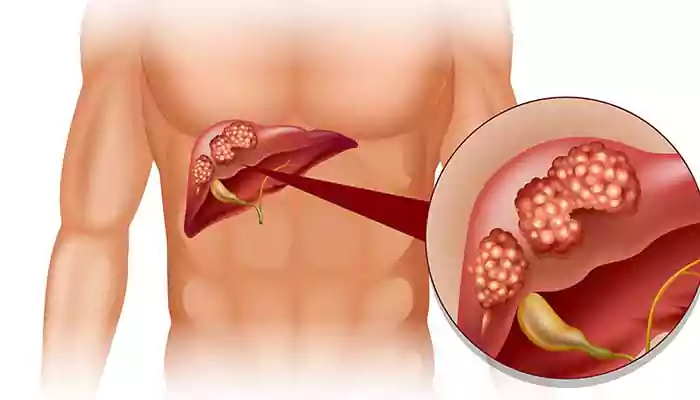
The health of your kidneys and liver is assessed through kidney and liver function tests. These examinations check the effectiveness of these essential organs by measuring factors such as creatinine, Blood Urea Nitrogen (BUN), and liver enzymes like Alanine Transaminase (ALT) and Aspartate Transaminase (AST). Any irregularities in these indicators may indicate possible kidney or liver issues. Swift intervention can then be taken to prevent potential complications and ensure your well-being.
Urine Routine
A comprehensive urine analysis assesses your urine for irregularities, aiding in the identification of kidney ailments, urinary tract infections, and other underlying health concerns. This examination provides valuable insights, guiding the detection of various medical issues and offering a window into your well-being.Total Blood Count

A Comprehensive Blood Examination or Complete Blood Count (CBC) offers valuable insights into your overall well-being and the constitution of your blood. It evaluates quantities of red and white blood cells along with platelets. Variations in these blood cell tallies can signify a range of health conditions, including anemia, infections, and blood irregularities. This detailed assessment sheds light on your physical condition, aiding in the detection of potential ailments and ensuring proactive healthcare management.
Ultrasound of Abdomen and Pelvis
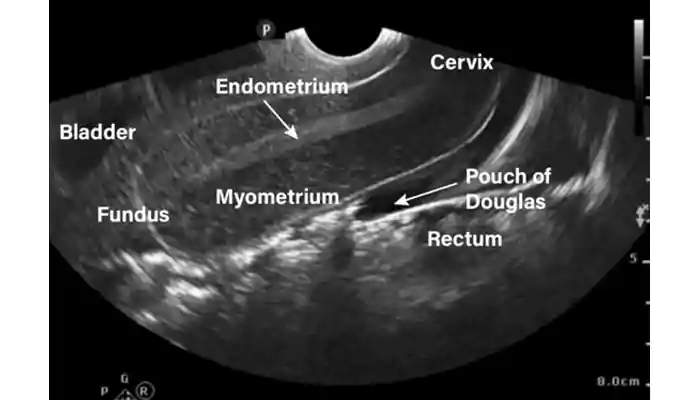
An ultrasound examination of the abdomen and pelvis provides a clear visualization of the vital organs situated in these regions. This includes a detailed view of the liver, kidneys, gallbladder, uterus, and ovaries. Its purpose is to detect any potential structural irregularities, growths, or other medical concerns that might necessitate prompt attention. This non-invasive procedure is invaluable in identifying underlying issues, offering a comprehensive assessment that aids in timely and accurate medical interventions.
ECG, ECHO/ TMT (Treadmill Test)
Once an individual crosses the age of 30, it becomes crucial to assess the condition of their heart for maintaining overall health. This involves undergoing three essential tests: Electrocardiogram (ECG), Treadmill tests (TMT), and Echocardiogram (ECHO). These examinations play a vital role in the early detection of irregular heart rhythms and other cardiac issues. Through these tests, potential problems can be identified in their initial stages, allowing for timely intervention and necessary measures to ensure continued heart well-being.Mammogram, PAP Smear For Women
Prioritizing your well-being, it's crucial for women to give attention to PAP smears, vital for cervical health, and mammograms, essential for breast health. These screenings, designed to catch potential issues early on, significantly boost the odds of successful treatment. These preventive assessments, especially crucial after turning 30, provide invaluable insights into your health, enabling timely interventions. By embracing regular screenings, you're ensuring a healthier journey through your 30s and beyond, enhancing your overall quality of life.Prostate Specific Antigen For Men
For men, it's advisable to undergo a Prostate-Specific Antigen (PSA) test as part of proactive prostate health management. Elevated PSA levels can signal potential prostate concerns such as inflammation or even prostate cancer. Consistent PSA screening offers the advantage of early detection, ensuring timely intervention and care. Embracing these tests reflects a responsible approach to one's well-being and underscores the significance of maintaining optimal prostate health.Preventive health tests provide valuable insights into our physical well-being, enabling timely interventions. These measures aid in early detection, effective management, and even the avoidance of complications. Timely identification through routine cancer screenings, for instance, significantly impacts both prognosis and survival rates. By embracing proactive measures, we unlock a range of benefits and opportunities for informed action. Harnessing these tools is a simple yet powerful approach, guiding us towards optimal health management.