Women's Day Spotlight: From Ada Lovelace to Mira Murati - The Women Who Taught Machines How to Think
- Devyani
- 7 months ago
- 2 minutes read
Code wasn't invented by guys in hoodies. It started with a Victorian countess, a ton of imagination, and a refusal to stick to the script.
A few days back, I stumbled across an old, dog-eared tech magazine. It got me thinking.
We treat Silicon Valley like this modern fortress built entirely by guys in fleece vests.
But the actual truth? The blueprint for artificial intelligence was mapped out by women.
The Countess Who Saw the Matrix
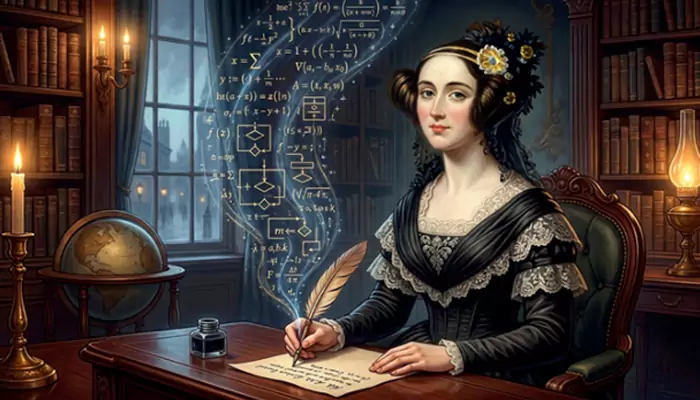
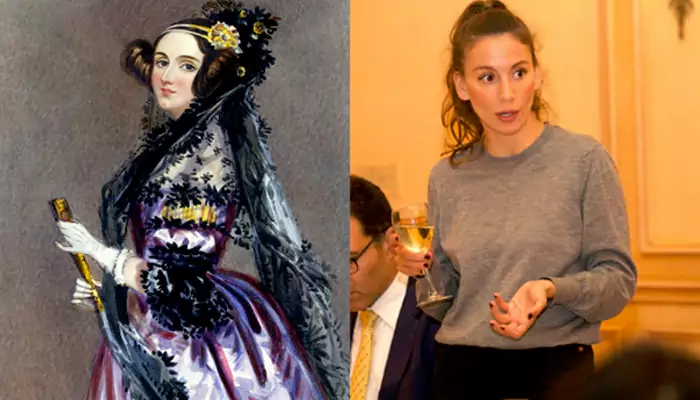
Let’s wind it way back to the 1840s. Ada Lovelace wasn't just Lord Byron’s daughter; she was a mathematical powerhouse. While Charles Babbage was obsessing over the gears of his Analytical Engine, Ada saw the bigger picture. She figured out that this giant brass calculator could manipulate symbols, not just crunch numbers.
She basically wrote the very first algorithm. A woman in a corset, casually inventing the concept of software. It feels like an existential rebellion against everything Victorian society expected of her.
Pulling Moths from the Machine
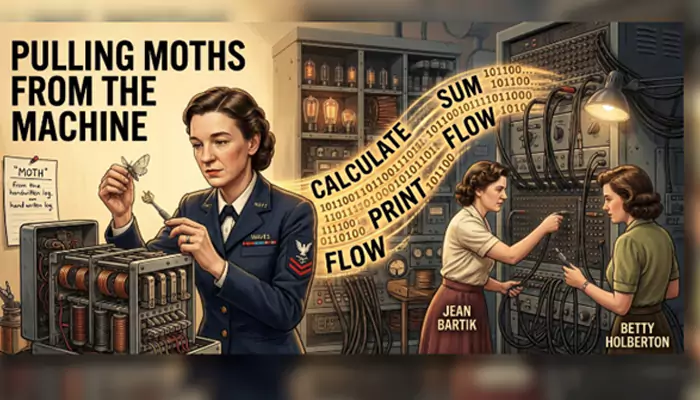
Then you jump to the 1940s. Six women - including Jean Bartik and Betty Holberton - physically wired the ENIAC, the first electronic general-purpose computer. They were literally plugging and unplugging thick black cables to teach a machine how to calculate ballistics.
And we can't skip Grace Hopper. She’s the absolute legend who gave us the term "debugging" after yanking an actual, literal moth out of a computer relay. More importantly, she thought it was ridiculous that humans had to speak in ones and zeros.
Hopper created the first compiler so we could program using actual English words. I believe that’s the exact moment computers stopped being just calculators and started becoming communicators.
The Modern Architect
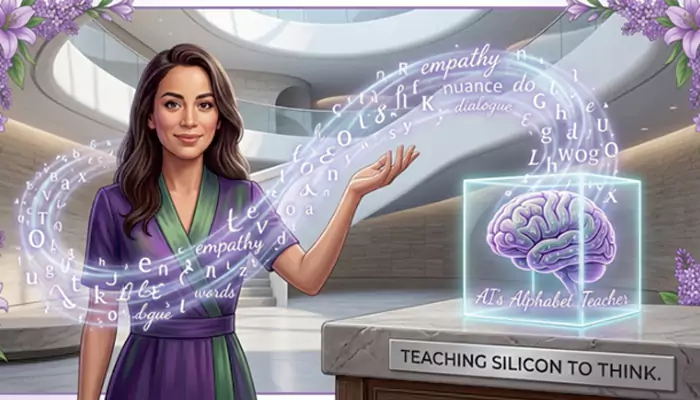
Which brings us right back to the present day. You can’t open a tab in 2026 without interacting with generative AI. Mira Murati, during her pivotal time as OpenAI’s CTO, didn't just oversee the engineering of models like ChatGPT; she orchestrated how they interact with us. How they mimic human nuance. It’s a staggering leap from Ada's punch cards, sure, but the underlying ambition is identical. Teaching silicon how to think.
We spend so much time debating what these machines will do next. Perhaps we should take a beat this Women's Day to remember who taught them the alphabet in the first place.