Master of the Seas: Chhatrapati Shivaji Maharaj’s Naval Vision, A Tribute on Birth Anniversary
- Soham Halder
- 7 months ago
- 4 minutes read
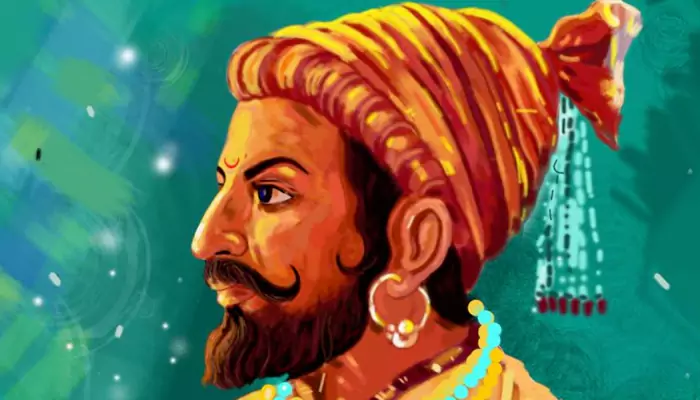
Swarajya on Water: The Naval Genius of Chhatrapati Shivaji Maharaj!
When we think of Chhatrapati Shivaji Maharaj, images of hill forts, guerrilla warfare, and fearless cavalry often come to mind. But there’s another powerful chapter of his legacy that deserves equal recognition, his visionary naval strategy.
Long before India had a formal navy, Shivaji Maharaj understood something many rulers overlooked: control the seas, and you control your destiny.
Why the Sea Mattered in the 17th Century
In the 1600s, India’s western coastline was not peaceful territory. The Arabian Sea was dominated by powerful forces the Portuguese, the British, the Dutch, and the Siddis of Janjira. These foreign powers controlled trade routes and often interfered in regional politics.
Most Indian rulers focused only on land-based defense. Shivaji Maharaj thought differently.
He realised that Swarajya (self-rule) would remain incomplete without maritime strength. Coastal security was not optional, it was essential.
The Birth of the Maratha Navy
Around the mid-17th century, Shivaji Maharaj began building what would become one of the earliest structured naval forces in India.
He established shipbuilding units along the Konkan coast and commissioned different types of warships such as:
- Gurabs (larger war vessels equipped with cannons)
- Gallivats (smaller, swift boats for coastal defense)
This wasn’t random expansion. It was calculated military planning.
His navy wasn’t meant for overseas conquest. It was built to:
- Protect coastal villages
- Secure trade routes
- Prevent foreign invasion
Challenge naval dominance of colonial powers
For a regional king to think in maritime terms at that time was revolutionary.
Sea Forts: Engineering Brilliance
Shivaji Maharaj didn’t stop at ships. He fortified the coastline with strategically built sea forts — masterpieces of military architecture.
Forts like Sindhudurg and Vijaydurg were not merely watchtowers; they were naval command centers. Built on islands and surrounded by deep waters, these forts served as defensive shields against enemy fleets.
Sindhudurg, in particular, was constructed with such precision that its entrance was cleverly hidden — a tactical advantage against invading forces.
These sea forts reflected not only military strength but architectural intelligence.
A Strategic Mind Ahead of His Time
What makes Shivaji Maharaj’s naval vision extraordinary is its foresight.
At a time when European powers were expanding their empires through sea dominance, Shivaji Maharaj anticipated the importance of maritime control. He recognised that whoever commanded the coastline would influence commerce, diplomacy, and warfare.
His approach included:
- Building alliances when necessary
- Avoiding unnecessary large-scale naval wars
- Protecting merchant vessels
- Encouraging indigenous shipbuilding
In many ways, he practised a form of coastal defense strategy that modern naval doctrines still follow protect your waters, secure trade, and maintain deterrence.
Economic Strength Through Maritime Security
Trade was the backbone of prosperity. By safeguarding ports and preventing foreign harassment, Shivaji Maharaj ensured economic stability in his kingdom.
The Konkan coast flourished under his watch. Fishermen, traders, and local communities felt safer. This strengthened public trust and reinforced the idea of Swarajya as people-centric governance.
His naval policy was not just about war, it was about welfare.
The Legacy That Lives On
Today, India proudly boasts one of the strongest naval forces in the world. While centuries separate modern fleets from wooden warships, the spirit of maritime awareness can be traced back to Shivaji Maharaj’s foresight.
The Indian Navy itself acknowledges his contribution to maritime defense thinking. His seal once declared the welfare of the people as the ultimate goal and his naval strategy reflected that principle.
He wasn’t merely defending territory; he was defending sovereignty.
More Than a Warrior
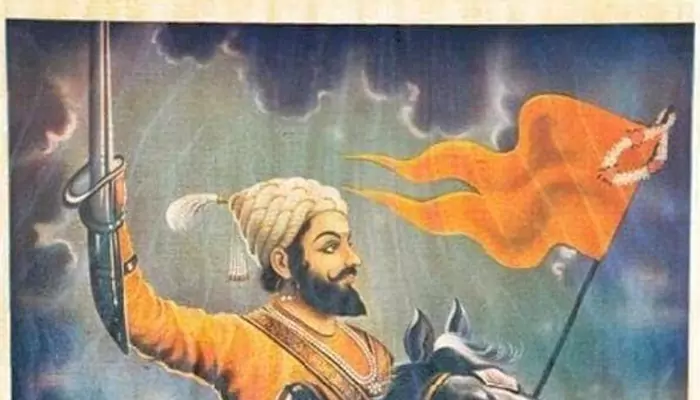
It’s easy to remember Shivaji Maharaj as a fearless warrior king. But his naval initiatives show another dimension, that of a strategist who understood geopolitics, economics, and future threats.
He combined courage with calculation. Vision with vigilance.
And perhaps that is what truly defines greatness.
Final Thoughts
Chhatrapati Shivaji Maharaj’s naval vision was not an afterthought, it was a cornerstone of Swarajya. In an era when many underestimated the power of the seas, he embraced it.
He proved that leadership is not only about winning battles on land but also about anticipating challenges beyond the horizon.
As Indians, revisiting this lesser-discussed chapter reminds us that innovation and strategic thinking have always been part of our history.
Shivaji Maharaj was not just a master of forts.
He was, undeniably, a master of the seas.