On This Day (April 16): First Passenger Train Launched; The Journey That Started India’s Railway Revolution
- Soham Halder
- 5 months ago
- 3 minutes read
From Steam to Speed: The First Train That Changed India Forever!
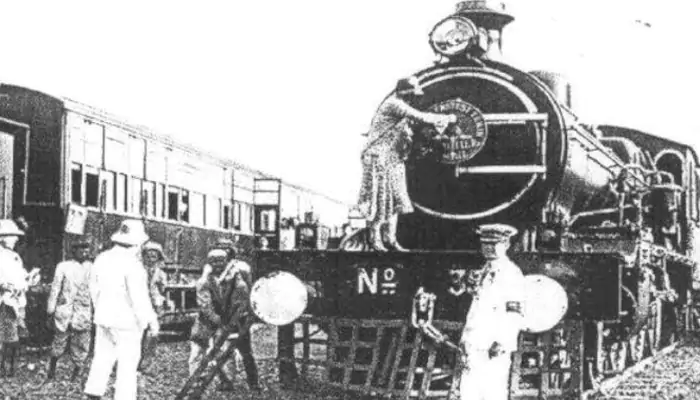
On April 16, 1853, India witnessed a historic moment that would forever change the way people travelled the launch of its first passenger train. Operated by Indian Railways, this journey marked the beginning of a transportation revolution that continues to shape the nation today.
From humble beginnings to becoming one of the largest railway networks in the world, India’s railway story is nothing short of extraordinary.
The Historic First Journey
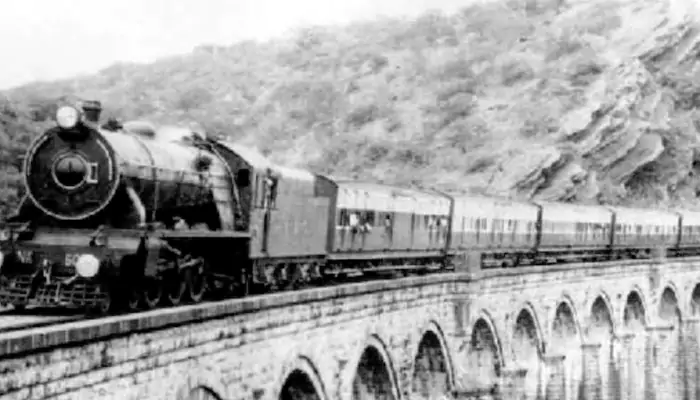
The first passenger train in India ran from Bori Bunder (now Chhatrapati Shivaji Maharaj Terminus) to Thane, covering a distance of about 34 kilometres.
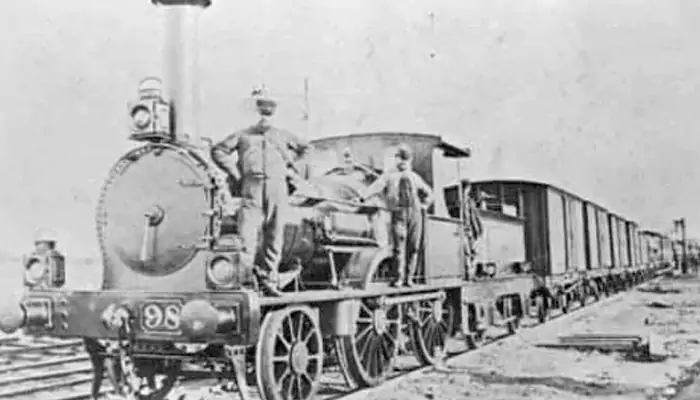
Pulled by three steam locomotives: Sahib, Sindh, and Sultan, the train carried around 400 passengers across 14 carriages. The journey took approximately 57 minutes and was celebrated with great enthusiasm.
This wasn’t just a train ride; it was the beginning of a new era in Indian transportation.
Why This Journey Was Revolutionary
In the mid-19th century, travel in India was slow and often challenging. The introduction of railways brought speed, efficiency, and connectivity. It made long-distance travel more accessible and significantly reduced travel time.
For the first time, people could move between cities with ease, opening up new opportunities for trade, communication, and cultural exchange.
Connecting a Diverse Nation
India is a vast country with diverse landscapes and cultures. The railway network played a crucial role in bringing different regions closer together. It connected rural areas to urban centres, enabling economic growth and social integration.
Over time, trains became more than just a mode of transport, they became a lifeline for millions.
The Growth of Indian Railways
From that first journey in 1853, the railway network expanded rapidly. Today, Indian Railways is one of the largest and busiest rail networks in the world, covering thousands of kilometres and serving millions of passengers daily. From luxury trains to high-speed corridors, the evolution has been remarkable.
Cultural Impact of Railways
Railways have also played a significant role in shaping India’s cultural fabric. Train journeys have inspired countless stories, films, and memories. From chai vendors at stations to scenic routes across the country, trains are deeply woven into everyday life.
For many Indians, a train journey is not just travel, it’s an experience.
From Steam Engines to Modern Marvels
The journey from steam locomotives to modern electric and semi-high-speed trains reflects India’s technological progress. Today, initiatives like Vande Bharat Express showcase how far the country has come, combining speed, comfort, and innovation.
Yet, the spirit of that first journey continues to live on.
Why This Day Still Matters
April 16 is not just a date in history, it’s a reminder of how a single innovation can transform a nation.
The first passenger train laid the foundation for economic development, national integration, and technological advancement.
It showed the power of connectivity in building a stronger, more unified India.
Celebrating a Journey That Never Stops
As we look back on this historic day, it’s clear that the journey that began in 1853 is far from over.
Indian Railways continues to evolve, adapt, and grow, carrying millions of dreams along its tracks every day.
From a 34-kilometre ride to a vast network spanning the country, it remains one of India’s greatest achievements, a true symbol of progress and unity.