Traditions, Tastes, and Timing: How Ugadi, Gudi Padwa, and Chaitra Navratri Vary
- Soham Halder
- 6 months ago
- 3 minutes read
Ugadi, Gudi Padwa and Chaitra Navratri Explained: Similar Roots, Unique Traditions!
Spring in India is not just about blooming flowers and warmer days, it is also a time of vibrant festivals that celebrate new beginnings. Among the most important seasonal celebrations are Ugadi, Gudi Padwa, and Chaitra Navratri.
While these festivals occur around the same time and share a spiritual connection, they differ in traditions, food, and cultural practices. Together, they beautifully reflect the diversity of India’s celebrations.
Timing: A Shared Beginning of the Hindu Lunar Year
All three festivals are linked to the Chaitra month in the Hindu lunar calendar, which marks the beginning of a new year in many regions.
Ugadi and Gudi Padwa fall on the first day of Chaitra, symbolizing the start of a fresh calendar cycle. Meanwhile, Chaitra Navratri begins on the same day but continues for nine days, dedicated to the worship of Goddess Durga.
This shared timing connects the festivals through a common theme, welcoming renewal, positivity, and prosperity.
Regional Traditions and Celebrations
The way these festivals are celebrated varies greatly depending on the region.
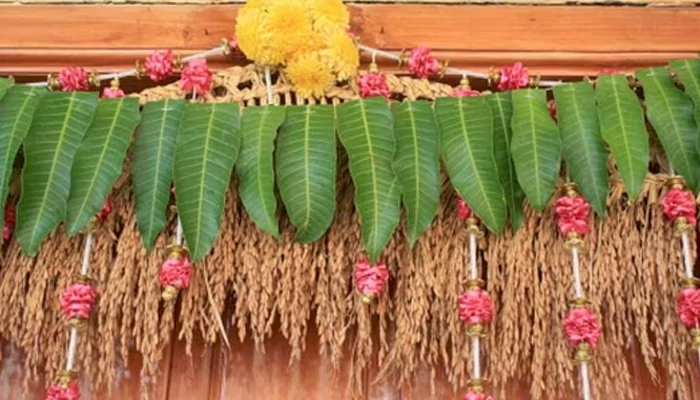
In states like Andhra Pradesh, Telangana, and Karnataka, Ugadi is celebrated by decorating homes with mango leaves, preparing special dishes, and listening to the traditional Panchanga Shravanam, a reading of the new year’s astrological predictions.
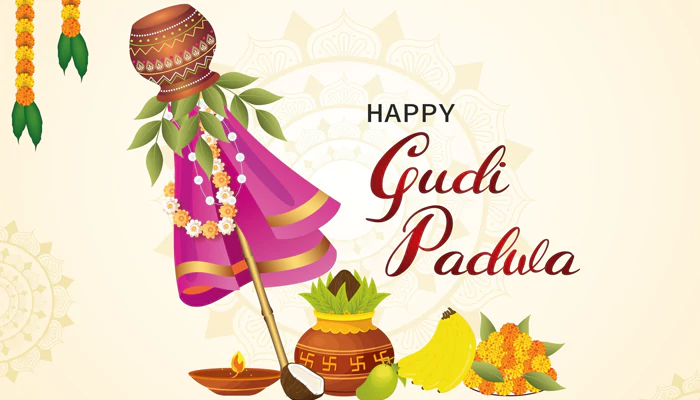
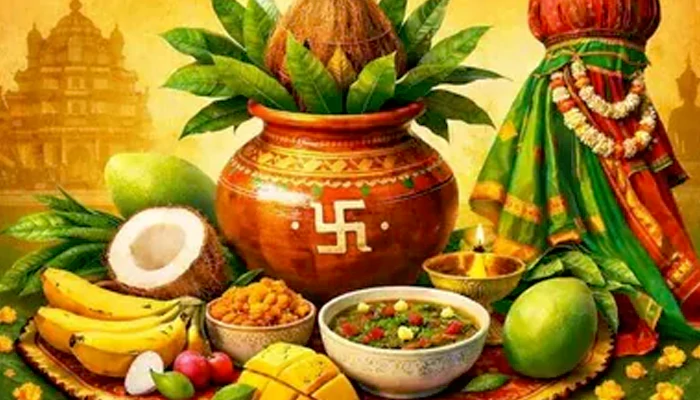
In Maharashtra and Goa, Gudi Padwa is marked by the raising of a Gudi, a decorated pole with a bright cloth and an inverted metal pot. The Gudi is believed to symbolize victory, good fortune, and protection.
Meanwhile, Chaitra Navratri is observed across northern and western India with fasting, temple visits, and daily prayers dedicated to different forms of the goddess.
Festive Foods and Cultural Flavours
Food plays a central role in Indian festivals, and these celebrations are no exception.
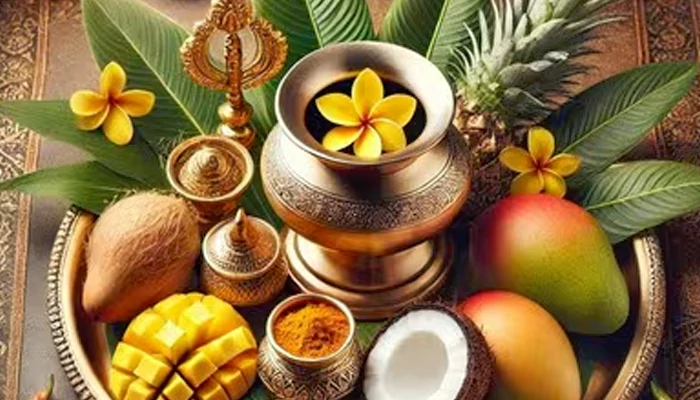
During Ugadi, families prepare a special dish called Ugadi Pachadi, which contains ingredients representing different emotions in life, sweetness, bitterness, sourness, and spice. This symbolic dish reminds people to accept both joy and challenges.
Gudi Padwa celebrations often include festive meals featuring traditional Maharashtrian dishes such as puran poli, a sweet flatbread filled with lentils and jaggery.
In Chaitra Navratri, many devotees observe fasting and eat special satvik foods that avoid grains, onion, and garlic. These meals are believed to promote spiritual discipline and purity.
Spiritual Meaning Behind the Festivals
Despite their differences, all three festivals emphasize spiritual reflection and gratitude.
Ugadi and Gudi Padwa focus on welcoming the new year with hope and positivity. People clean their homes, wear new clothes, and pray for prosperity.
Chaitra Navratri, on the other hand, is a period of devotion and self-discipline, celebrating the divine power of the goddess through prayers, fasting, and rituals.
Together, these festivals highlight different aspects of spiritual life, celebration, gratitude, and devotion.
A Beautiful Reflection of India’s Diversity
One of the most fascinating aspects of Indian culture is how the same seasonal transition can inspire multiple celebrations with unique traditions.
Ugadi, Gudi Padwa, and Chaitra Navratri may differ in rituals, tastes, and customs, but they share a common purpose: welcoming a fresh start with faith and positivity.
These festivals remind us that while traditions may vary from region to region, the spirit of renewal and hope connects people across the country.
And that shared spirit is what makes India’s spring festivals truly special.

.webp)