Happy Ugadi & Gudi Pawa: Rituals That Symbolize Fresh Beginnings
- Soham Halder
- 6 months ago
- 3 minutes read
New Year, New Hope: Rituals That Define Ugadi and Gudi Padwa!
Spring brings with it a sense of renewal, and across different parts of India, this feeling is celebrated through vibrant New Year festivals. Two of the most significant celebrations during this season are Ugadi and Gudi Padwa.
While Ugadi is mainly observed in Karnataka, Andhra Pradesh, and Telangana, Gudi Padwa marks the New Year for people in Maharashtra and Goa. Despite regional differences, both festivals share a common theme, welcoming new beginnings with positivity, gratitude, and hope.
Let’s explore the beautiful rituals that make these festivals so meaningful.
A New Year Rooted in Tradition
Both Ugadi and Gudi Padwa mark the beginning of the New Year according to the traditional Hindu lunar calendar. These festivals usually fall in March or April, coinciding with the arrival of spring.
For many families, the day begins with early morning rituals, cleaning homes, decorating entrances with colourful rangoli designs, and wearing new clothes.
The idea is simple yet powerful start the year with purity, positivity, and fresh energy.
The Symbolism of the Gudi
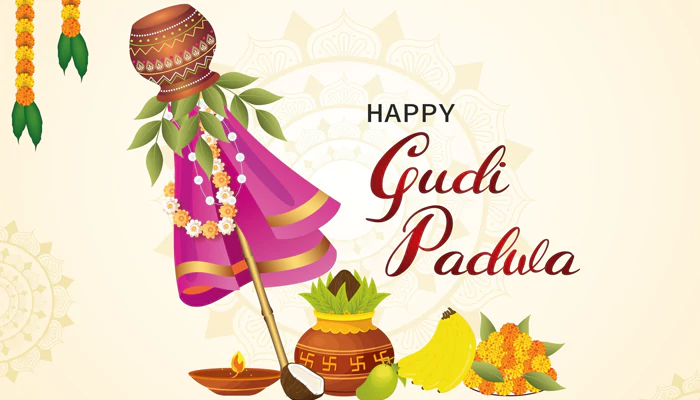
One of the most striking traditions of Gudi Padwa is the raising of the Gudi, a decorated flag-like structure placed outside homes.
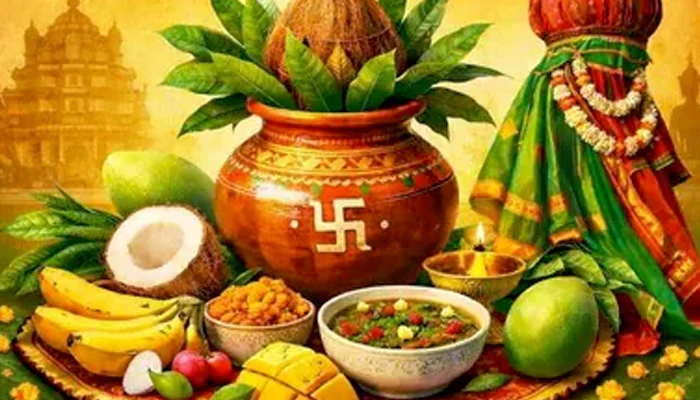
The Gudi is typically made by tying a bright silk cloth to a bamboo stick and decorating it with neem leaves, flowers, and an inverted metal pot at the top.
For many Maharashtrian families, the Gudi symbolises victory, prosperity, and protection from negative energies. It is believed to represent the triumph of good over evil and is considered a sign of good luck for the coming year.
The Meaningful Taste of Ugadi Pachadi
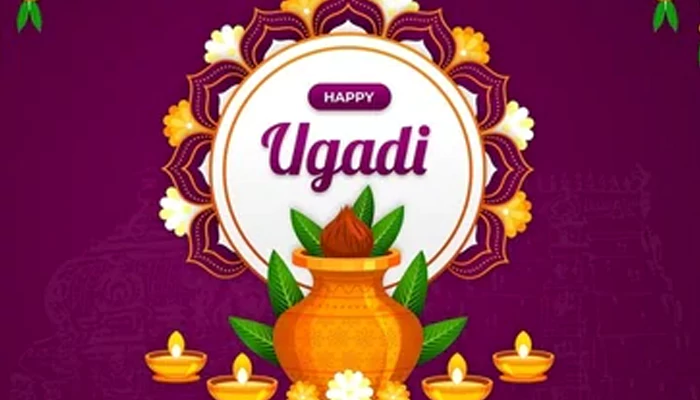
In South Indian households celebrating Ugadi, one of the most important traditions is preparing a special dish called Ugadi Pachadi.
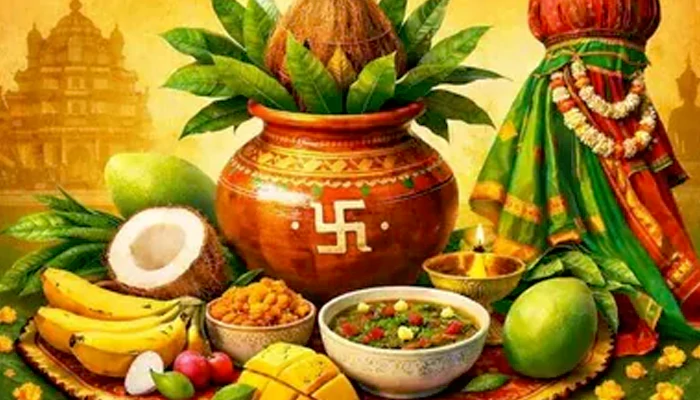
This mixture contains ingredients like neem leaves, jaggery, tamarind, raw mango, chilli, and salt. Each flavour represents different emotions in life, bitterness, sweetness, sourness, and spice.
The idea behind this ritual is philosophical: life is a mix of experiences, and one must accept both joys and challenges with balance.
It’s a simple dish, but it carries a powerful life lesson.
Spiritual Beginnings for the Year Ahead
Both festivals also include spiritual rituals. Many families visit temples, offer prayers, and seek blessings for prosperity and well-being in the year ahead.
People also listen to the Panchanga Shravanam, a traditional reading of the new year’s astrological predictions based on the Hindu calendar.
These practices create a moment for reflection and gratitude, encouraging individuals to begin the year with clarity and optimism.
Celebrating Togetherness and Joy
Beyond the rituals, Ugadi and Gudi Padwa are also about family bonding and celebration.
Festive meals, traditional sweets, and gatherings with loved ones make the day special. In Maharashtra, popular dishes like puran poli are prepared, while South Indian households enjoy festive spreads filled with seasonal delicacies.
Homes are decorated with mango leaves, flowers, and rangoli, creating a joyful atmosphere that reflects the spirit of the new year.
A Festival of Fresh Starts
At their heart, Ugadi and Gudi Padwa remind people that every year offers a chance to begin again.
Through symbolic rituals, meaningful food traditions, and spiritual practices, these festivals encourage individuals to welcome change with hope and courage.
As families across India celebrate these vibrant New Year festivals, the message remains timeless: every ending brings a new beginning.
And what better way to embrace that idea than by celebrating with gratitude, positivity, and a renewed spirit.

.webp)