Bengaluru Couple’s 11-hour Sri Lanka-to-India Swim Goes Viral; But Experts Warn Open Seas Are Dangerous
- Soham Halder
- 4 months ago
- 3 minutes read
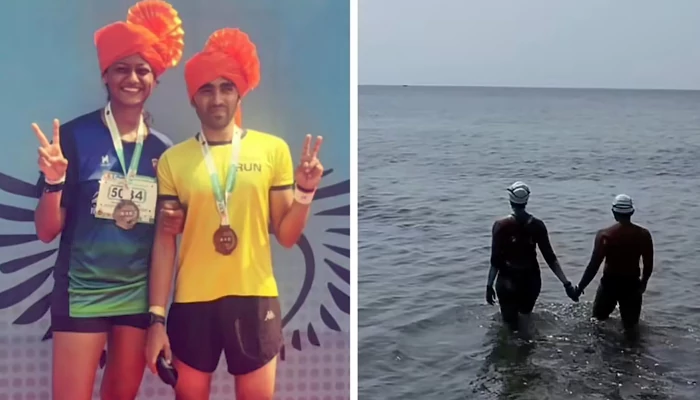
A Bengaluru couple has captured national attention after reportedly swimming from Sri Lanka to India through the historic Ram Setu route in nearly 11 hours, a feat that many on social media are calling extraordinary. The swim, which reportedly covered the stretch between Talaimannar in Sri Lanka and Dhanushkodi in Tamil Nadu, quickly went viral online for its combination of endurance, adventure, and symbolism.
But beyond the excitement and admiration, the achievement is also drawing attention to a lesser-discussed reality: open-water endurance challenges can be physically and mentally dangerous, even for highly trained athletes.
Why Open-Water Swimming Is Very Different From Pool Swimming
Unlike controlled swimming pools, open seas present constantly changing conditions that are difficult to predict.
Swimmers may face:
- strong sea currents
- changing tides
- high salt exposure
- dehydration
- low visibility
- sudden weather shifts
- marine life risks
Even experienced endurance swimmers often train for months or years before attempting long-distance sea crossings.
Sports experts say the biggest challenge is not only physical stamina, but also maintaining concentration and emotional control for several continuous hours in open water.
The Human Body Faces Extreme Stress During Long Sea Swims
Swimming for nearly 11 hours places enormous stress on the body. During extended sea swims, athletes may experience:
- muscle fatigue
- severe cramps
- shoulder strain
- energy depletion
- skin irritation from salt water
- body temperature imbalance
Hydration and nutrition also become critical. Swimmers participating in endurance events often follow carefully monitored feeding schedules during the challenge. Mental exhaustion can become equally dangerous. In open-water conditions, fear, disorientation, and panic can affect decision-making quickly if swimmers lose rhythm or confidence.
Why Extreme Endurance Challenges Are Becoming More Popular
The viral attention around the Bengaluru couple also reflects a growing fascination with extreme endurance culture in urban India. Over the past few years, more Indians have started participating in:
- marathons
- Ironman competitions
- mountain cycling
- ultra-distance running
- open-water swimming
Fitness experts say many professionals are increasingly seeking experiences that test mental resilience and personal limits beyond traditional gym routines. Social media has further amplified these achievements, turning endurance sports into aspirational lifestyle goals.
The Ram Setu Route Adds Emotional and Cultural Fascination
The route itself adds another layer of public interest. Ram Setu, often linked to ancient mythology and historical curiosity, continues to fascinate travellers, pilgrims, and adventure enthusiasts alike. The sea stretch between India and Sri Lanka is known for its shallow waters, unpredictable marine conditions, and symbolic cultural significance.
This combination of mythology, geography, and human endurance helped the story resonate widely online.
Why Experts Warn Against Attempting Similar Challenges Without Preparation
Adventure experts say viral stories can sometimes inspire people to underestimate the risks involved in endurance sports. Open-water swimming requires:
- professional supervision
- safety boats
- weather monitoring
- medical preparedness
- advanced swimming ability
- extensive physical training
Without proper preparation, sea swimming can quickly become dangerous even over shorter distances. Experts stress that such achievements represent years of discipline rather than spontaneous adventure.
Closing Note: Inspiration and Risk Often Go Hand in Hand
The Bengaluru couple’s achievement has inspired admiration across social media for its courage, endurance, and determination. But the story is also a reminder that extreme adventures come with very real risks hidden behind viral headlines. As endurance culture grows in India, more people may become inspired by such stories, but experts say understanding the preparation behind these achievements is just as important as celebrating the result.

.webp)