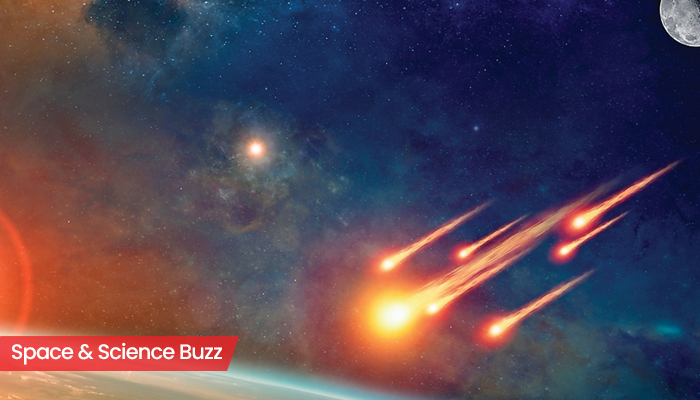
Here are today’s most important updates from the realm of Science and Space.
Space Wealth or Space Waste? Scientists Probe Asteroid Mining Hurdles
Asteroid mining is a popular concept when it comes to science fiction, but it is now being considered seriously by scientists in order to access valuable resources in space. A recent study investigated the feasibility of asteroid mining and also analysed the challenges and opportunities. Similar to Earth, a majority of asteroids contain vast amounts of valuable resources, including metals like platinum, gold and iron, as well as water, which can be used as fuel for spacecraft. Some asteroids are believed to contain trillions of dollars worth of minerals. For the study, a team led by researchers from the Institute of Space Sciences (ICE-CSIC) analysed samples of C-type (carbon-rich) asteroids, which account for 75 per cent of known asteroids.
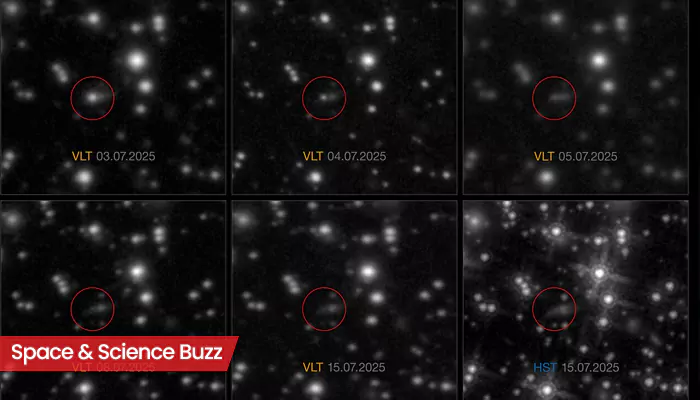
Hubble Spots ‘Cloud-9’: A Never-Before-Seen Object Drifting Through Space
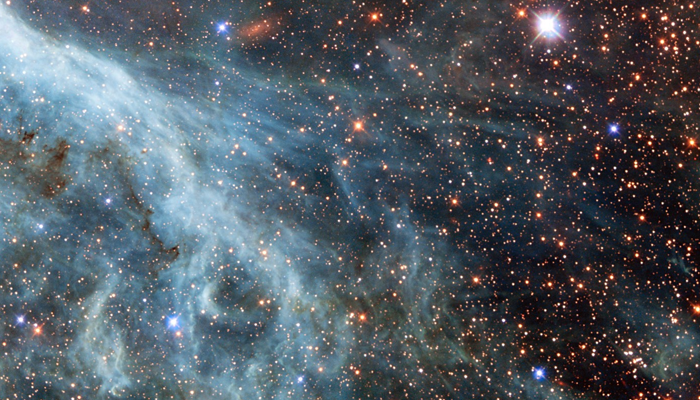
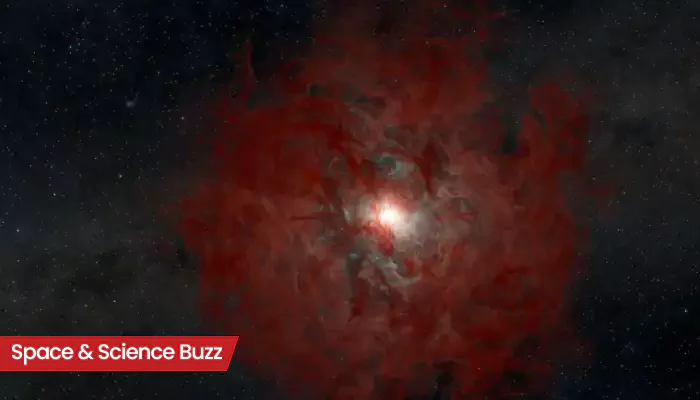
NASA's Hubble Space Telescope has uncovered a new type of astronomical object nicknamed Cloud-9, which is apparently a starless, gas-rich, dark-matter cloud. This object is considered a "relic" or remnant of early galaxy formation and is located 14 million light-years from Earth near the spiral galaxy Messier 94 (M94). The object, Cloud-9, is called a Reionization-Limited H I Cloud (RELHIC), which is composed of neutral hydrogen and dominated by dark matter. The term "H I" refers to neutral hydrogen, which spans approximately 4,900 light-years, with a mass of about 1 million times that of the Sun. As per the calculations done by the researchers, Cloud-9's dark matter must be about five billion solar masses.
Eyes on the Sky: Jupiter Shines Bright on January 10, NASA Guides Stargazers
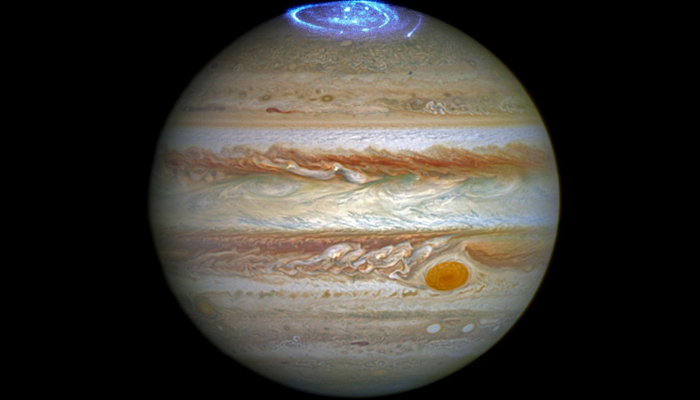
Stargazers are set to witness Jupiter's spectacular show on January 10, 2026, when the gas giant will reach "opposition". Hence, it will be the brightest and largest it appears in the night sky all year. NASA explained the term 'opposition', saying that it happens when Earth is directly between Jupiter and the Sun. This alignment makes Jupiter appear bigger and brighter. "To see Jupiter at its best this year, look to the east and all evening long, you'll be able to see the planet in the constellation Gemini. It will be one of the brightest objects in the night sky (only the moon and Venus will be brighter)," NASA wrote in a blog post.
Your WiFi Is Watching: Technology That Can ‘See’ People Through Walls
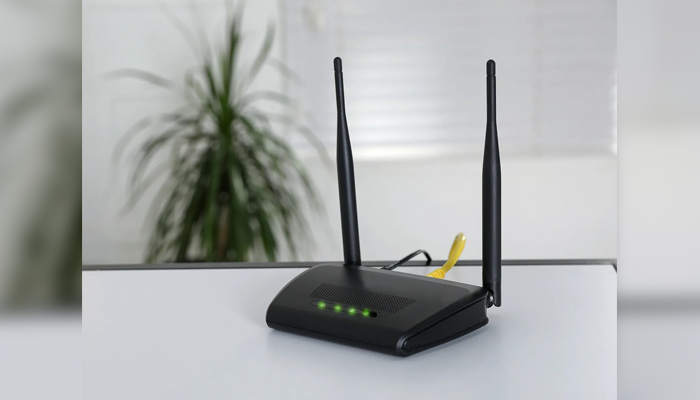
WiFi networks can now sense human presence and movement through walls. Researchers at Carnegie Mellon University developed a method that uses WiFi signals to "see" through walls and accurately detect the position and movement of people inside a room. The research, which focused on leveraging everyday wireless signals, could revolutionise everything from home security and elderly care to search-and-rescue missions. However, it also raises serious privacy concerns. Unlike traditional cameras or LiDAR-based motion detectors, which require line-of-sight or expensive hardware, this technique turns any home or office with a WiFi network into a basic motion-sensing system, without the need for any extra sensors or cameras.