Here are today’s most important updates from the realm of Science and Space.
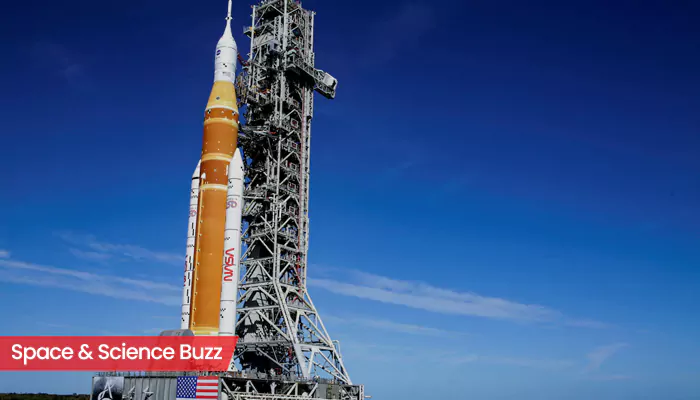
Going to the Moon? NASA Lets You Send Your Name on Artemis II
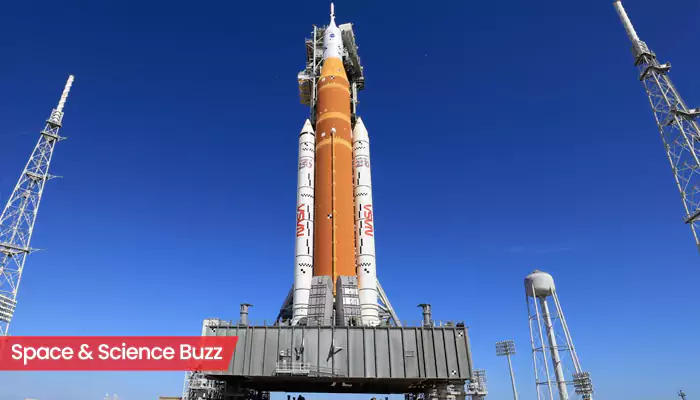
The National Aeronautics and Space Administration (NASA) is gearing up for a historic moment in space exploration, with the Artemis II mission set to send astronauts farther than any crew has travelled before. This groundbreaking mission is part of the agency's Artemis campaign, which aims to return humans to the Moon and prepare for crewed missions to Mars. The Artemis II rocket is scheduled to blast off as early as February 6, with additional launch windows available later in February, March, and April. "This historic mission will send humans farther from Earth than ever before and deliver the insights needed for us to return to the Moon, all with America at the helm," according to NASA Administrator Jared Isaacman.
Mysterious Iron Bar Found in Space Offers Clues About Earth’s Fate
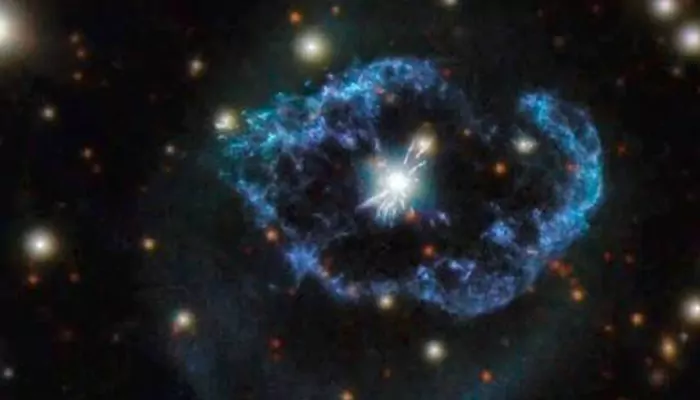
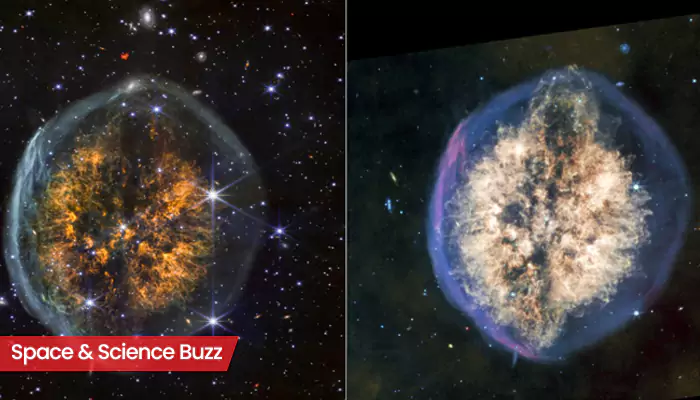
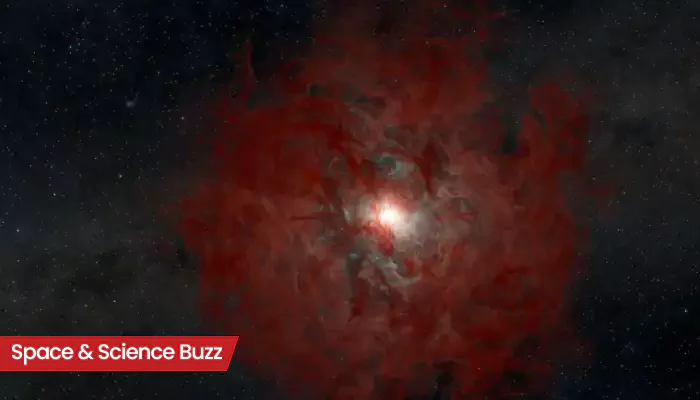
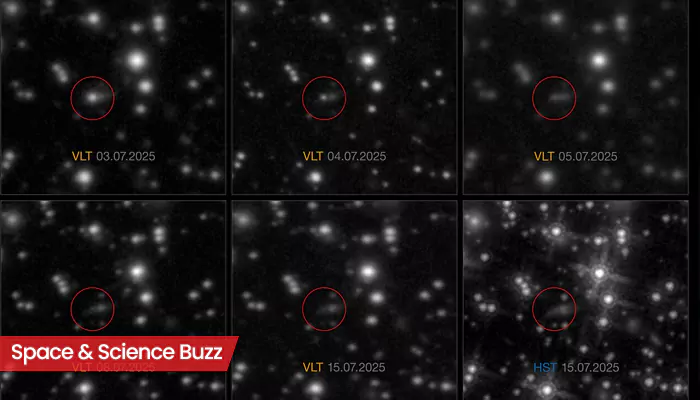
Scientists have discovered a massive bar-shaped cloud of iron atoms in space, which could help them understand the future of Earth. The unusual structure was found inside the Ring Nebula, a famous and colorful cloud formed when a dying sun-like star released its outer layers, reported BBC. This iron bar is about 500 times larger than the orbit of Pluto and is located at a distance of 2,283 light-years from Earth. Scientists at Cardiff University and University College London discovered it with the help of a new telescope instrument called the WHT Enhanced Area Velocity Explorer (Weave). Scientists said that how this iron bar was formed is not yet clear, but there are some possible theories about its formation. One possibility is that this nebula formed when the parent star was collapsing.
When Greenland Lost All Its Ice: New Study Reveals a Stark Climate Lesson
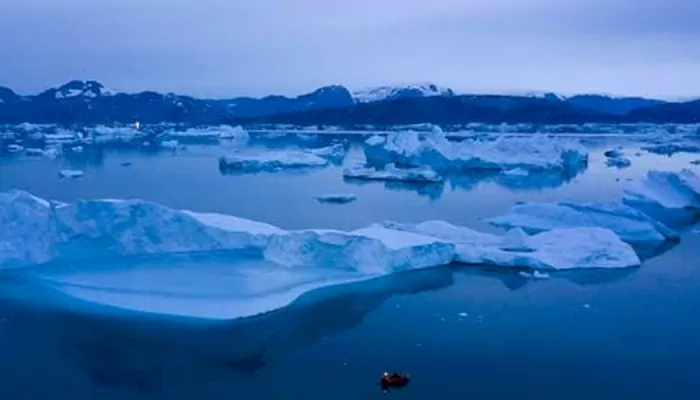
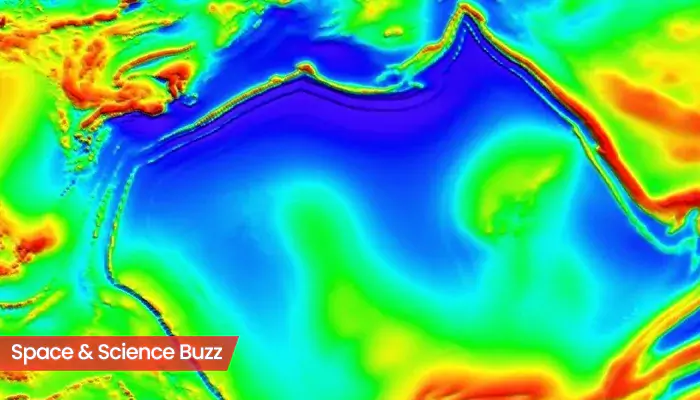
A new study is helping scientists understand how fragile Greenland's ice can be when the world gets warmer. By looking deep under the ice, researchers found clear signs that part of Greenland once lost all its ice during a warm time long ago, raising concerns about what could happen in the future as temperatures rise again. Recent scientific studies have revealed that a portion of Greenland's vast ice sheet completely disappeared during a naturally warm period about 7,000 years ago. The temperatures at that time were similar to what scientists believe could occur by the end of this century if greenhouse gas emissions continue to rise.
Invisible No More: Scientists Capture Plants ‘Breathing’ for the First Time
Seeing Plants Breathe
— Brian Roemmele (@BrianRoemmele) January 15, 2026
Researchers have achieved a breakthrough in plant biology by developing a way to watch plants
"breathe" in real time.
While we have known for centuries that plants exchange gases through microscopic pores called stomata, we have never before been able to… pic.twitter.com/j62H8y6mtk
For centuries, scientists have known that plants 'breathe' through tiny leaf pores called stomata, which balance CO₂ intake for photosynthesis with water vapour loss. Researchers at the University of Illinois Urbana-Champaign have now created a groundbreaking tool that lets them observe plants "breathing" in real time under controlled conditions. This research marks the first time these processes have been directly observed and recorded in such detail. The device called 'Stomata In-Sight' reveals how microscopic pores on leaves, known as stomata (often called the plant's mouths), manage the exchange of carbon dioxide, oxygen, and water vapour. These tiny openings open and close to balance gas intake for photosynthesis with water loss through transpiration, playing a key role in how plants cope with heat, drought, and other stresses.