Petrol Saving Could Become the New Budget Trend: How Households May Change Daily Habits
- Soham Halder
- 5 months ago
- 3 minutes read
Fuel Costs Are Slowly Influencing Everyday Behaviour
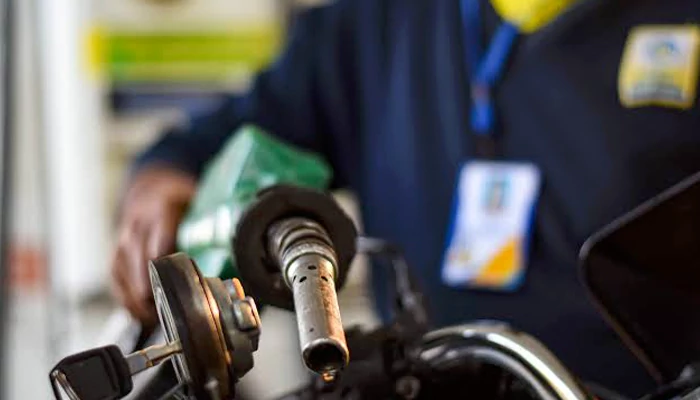
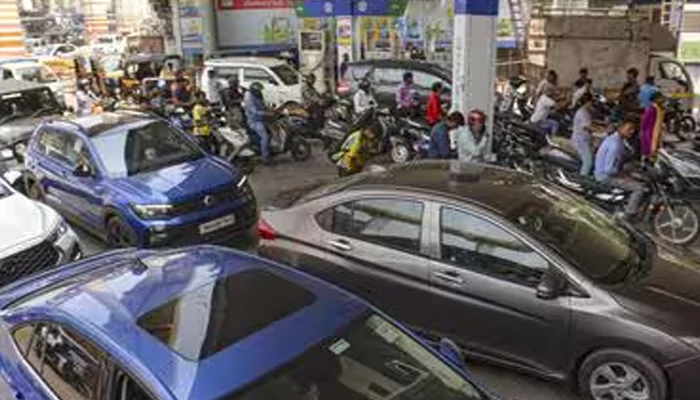
For many households, petrol expenses were once seen as a routine monthly cost that rarely affected daily decision-making. But with rising global energy concerns and discussions around possible fuel-saving measures in India, consumers are becoming more conscious about how fuel usage affects household budgets.
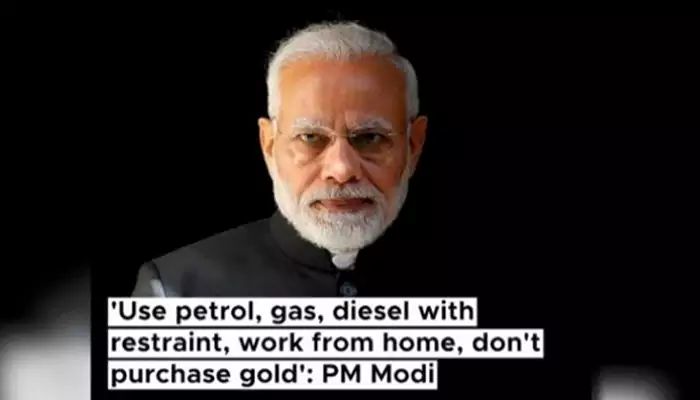
According to reports, the Centre is considering several measures aimed at reducing fuel consumption, including possible work-from-home recommendations and other conservation strategies amid international supply uncertainty.
As discussions around fuel costs grow, many families may begin changing small everyday habits to manage spending more carefully.
Why Petrol Saving Is Becoming a Household Concern
Fuel prices affect much more than just vehicle owners. Higher fuel costs often indirectly influence:
- grocery prices
- delivery charges
- school transport fees
- taxi fares
- travel budgets
This is why many middle-class families closely monitor petrol and diesel trends even before official price changes happen.
For households balancing:
- rent or EMIs
- school fees
- medical expenses
- food inflation
fuel savings can quickly become an important budgeting strategy.
Small Daily Habits Could Start Changing
Experts say consumers often adapt gradually when fuel sensitivity rises. Some common behaviour changes may include:
Combining Multiple Tasks Into One Trip
Families may reduce repeated short drives by planning errands together.
Increased Public Transport Use
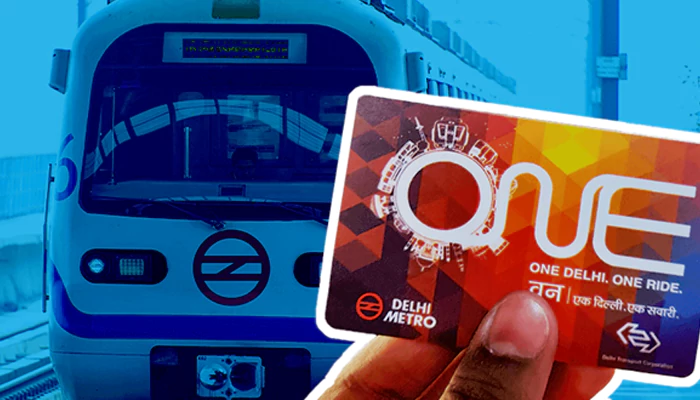
Metro systems, buses, and office shuttle services may attract more commuters.
Carpooling and Ride Sharing
Shared commuting could become more common among office workers.
Reducing Leisure Driving
Non-essential late-night drives or unnecessary trips may decline.
Greater Interest in Fuel-Efficient Vehicles
Consumers may increasingly compare mileage before purchasing vehicles.
Could Hybrid Work Culture Return?
One of the biggest lifestyle shifts during the pandemic was the rise of work-from-home and hybrid work culture. If some offices again encourage remote work to reduce commuting pressure, households could experience:
- lower weekly fuel spending
- reduced traffic stress
- fewer daily travel expenses
For many employees, avoiding long city commutes may also improve time management and work-life balance.
Technology May Influence Fuel-Saving Behaviour Too
Digital services are already reducing the need for physical travel in many situations.
People increasingly rely on:
- video meetings
- online banking
- grocery delivery apps
- telemedicine
- digital payments
These habits may continue expanding if fuel-conscious living becomes more important.
Why Fuel Saving Is Also Becoming Psychological
Experts say consumers often become cautious when economic uncertainty rises. Even before major price hikes happen, families may begin:
- monitoring monthly fuel expenses
- delaying unnecessary purchases
- avoiding wasteful travel
- tracking daily spending more carefully
This creates a broader “budget-conscious mindset” across households.
Fuel Efficiency May Become Part of Everyday Financial Planning
For many Indian families, saving petrol is no longer only about reducing travel, it is increasingly becoming part of smarter financial planning. As global energy uncertainty continues, households may gradually adopt more practical and flexible daily habits to control expenses without drastically changing lifestyles. And in the years ahead, fuel-conscious living may become one of the defining budget trends for urban India.
.webp)
.webp)
.webp)
.webp)