Could Metro Cards Become The New Fuel-Saving Hack For Urban India?
- Devyani
- 5 months ago
- 3 minutes read
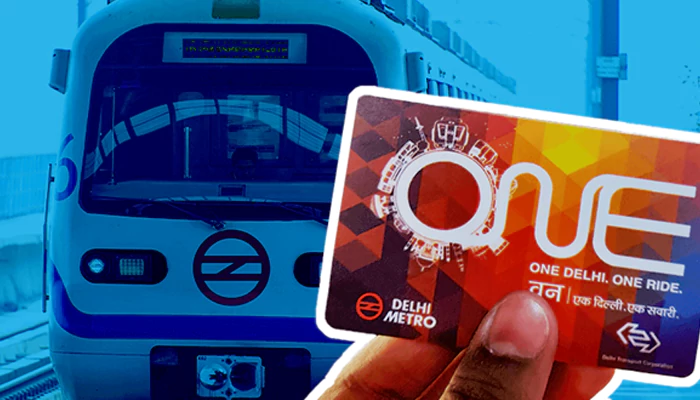
When fuel talk gets louder, the humble tap-and-go card starts looking less like a transit accessory and more like a household budget tool.
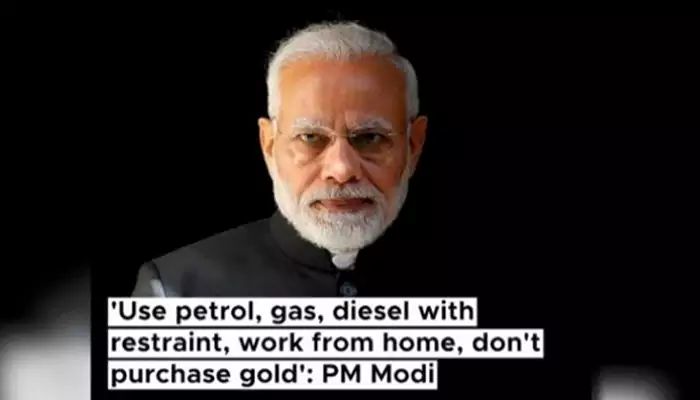
Prime Minister Narendra Modi’s recent call to conserve fuel, use public transport and carpool has pushed a very ordinary object back into the spotlight: the metro card. Reuters reported that he asked citizens to cut fuel use and shift to metro and other public transport while global oil prices stay hot.
That advice lands differently now. Not in a grand policy way. On a Tuesday-morning, “my cab bill is ridiculous. The metro card becomes less of a commuter token and more of a small anti-chaos device. Tap once, move on, no fuel bill, no parking headache, no driver waiting to cancel.
What is changing on the ground
Delhi Metro’s own data shows how deeply the network is already woven into urban life. DMRC said the system handled 2,358.03 million passenger journeys in 2025, averaging around 64.6 lakh trips a day. That is not niche behaviour. That is city muscle memory.
And the card ecosystem is getting friendlier. Today, DMRC partnered with Airtel Payments Bank to launch a co-branded NCMC “On-The-Go” card, built for seamless payments across metro systems, buses and other transit networks. That is important because the new logic is not just “take the metro.” It is “make public transport easy enough that people actually keep using it.”
Why users should care
For office commuters, the savings are not abstract. Metro travel trims fuel, toll, parking and the little leaks that make monthly budgets wobble. For families, it can also simplify school runs, weekend movement and back-up travel when fuel prices bite.
Perhaps the bigger change is psychological. Once a card sits in your wallet and works across systems, public transport stops feeling like a compromise. It starts feeling normal. That matters.
What people should do now
Check whether your city’s metro card is linked to broader mobility options or digital top-ups. Look at weekly commute costs, not just the cost per trip. If you drive five days a week, compare that with one card-based metro routine for a month. The maths may surprise you. A bit, anyway.
What’s next
India’s transport push is moving toward interoperability, digital fares and one-card mobility. If that continues, metro cards may end up doing more than opening gates. They may quietly reshape how urban India spends on travel.
Metro cards are no longer just transit plastic. In a fuel-pressured city, they may become one of the simplest budget hacks around.
.webp)
.webp)
.webp)
.webp)