LPG Cylinder Surrender Notices Coming? What Urban Families Should Do Next
- Soham Halder
- 5 months ago
- 3 minutes read
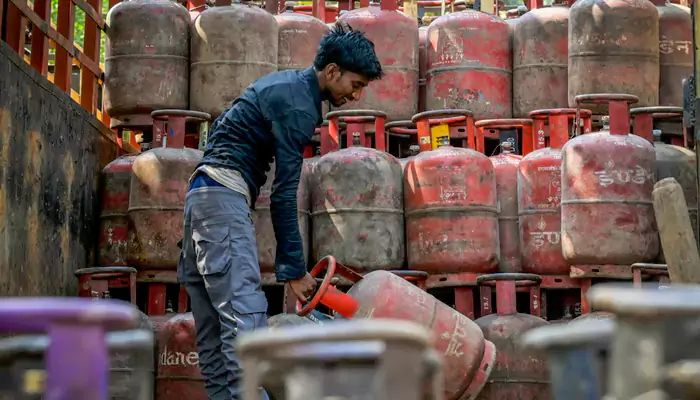
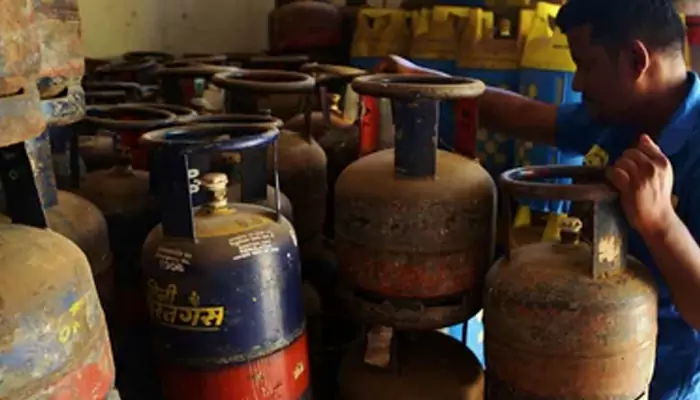
Your Backup Gas Cylinder May No Longer Stay!
For years, many urban households kept both an LPG cylinder and a PNG connection at home, one for convenience, the other as backup during emergencies. But that flexibility may now be ending. A new government-backed rule is tightening cooking gas usage norms, and many families could soon be asked to surrender one of their gas connections.
What Changed: The ‘One Home, One Gas Connection’ Push
Under the revised rules linked to the Ministry of Petroleum and Natural Gas, households are no longer allowed to simultaneously maintain active LPG and PNG connections in many cases. If your home already uses PNG (Piped Natural Gas), your LPG cylinder connection may have to be surrendered.
Authorities say LPG refills could be stopped for households already connected to PNG networks. Oil companies have also reportedly been directed not to issue fresh LPG connections where PNG infrastructure is active and operational.
Who Is Affected: Urban Families and Apartment Residents
This rule mainly impacts:
- Metro city households using both PNG and LPG
- Apartment residents with piped gas access
- Families keeping LPG cylinders as emergency backup
- Consumers unaware their area falls under PNG coverage
Cities with expanding gas pipeline networks could see faster implementation of these checks.
What Happens Next: Verification Drives and Possible Refill Restrictions
Here’s what urban consumers may experience in the coming months:
- Verification messages or notices from gas agencies
- LPG refill requests getting delayed or rejected
- Pressure to fully shift toward PNG usage
- More monitoring of duplicate household gas connections
Some local administrations have already warned that non-compliance could eventually lead to LPG supply suspension in notified areas.
Why Is the Government Doing This Now?
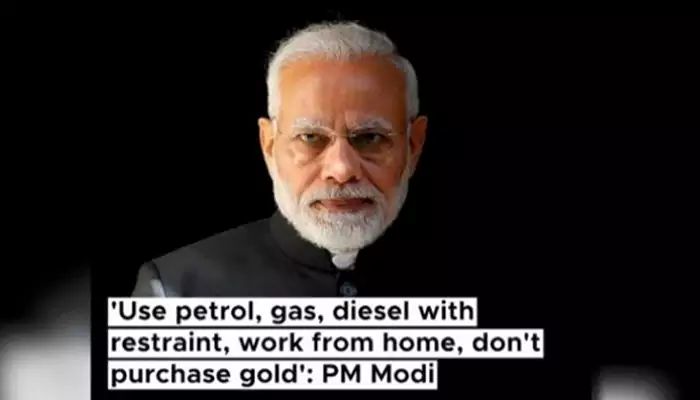
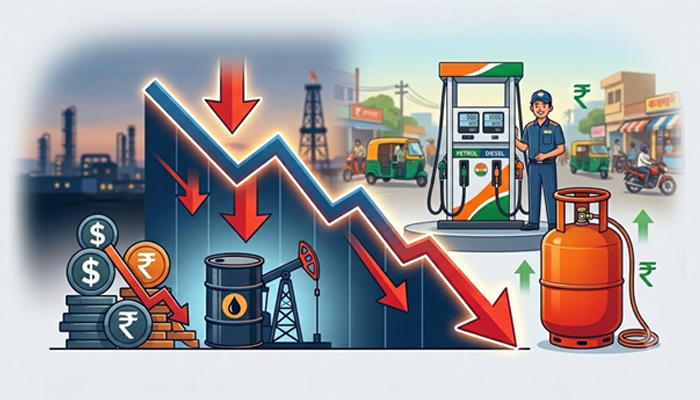
The move comes amid rising concerns over global fuel supply pressures. India imports a large portion of its LPG, and tensions in West Asia, especially around the Strait of Hormuz, have increased worries about supply disruptions and rising costs.
By pushing households toward PNG where pipelines already exist, authorities aim to reduce pressure on LPG distribution systems and improve long-term energy management.
What You Should Do Right Now
If your home has both LPG and PNG, here are some practical steps:
- Check whether your area falls under active PNG coverage
- Contact your gas provider for updated rules
- Keep your connection documents updated
Clarify whether exceptions exist for backup cylinders
Do not ignore official notices or verification requests from gas agencies.
Closing Note
For many households, this is not just a policy change, it affects daily cooking habits, monthly budgeting, and emergency planning. Families used to relying on LPG as backup may now need to rethink how they manage cooking fuel at home.
The era of keeping “just in case” LPG cylinders alongside PNG may be ending for many urban homes. As India tightens fuel management amid global uncertainty, households that stay informed and prepare early are likely to face fewer disruptions later.
.webp)
.webp)
.webp)
.webp)