New LPG Rule Explained: Why Some Households May Have to Give Up Their Gas Cylinders
- Soham Halder
- 5 months ago
- 3 minutes read
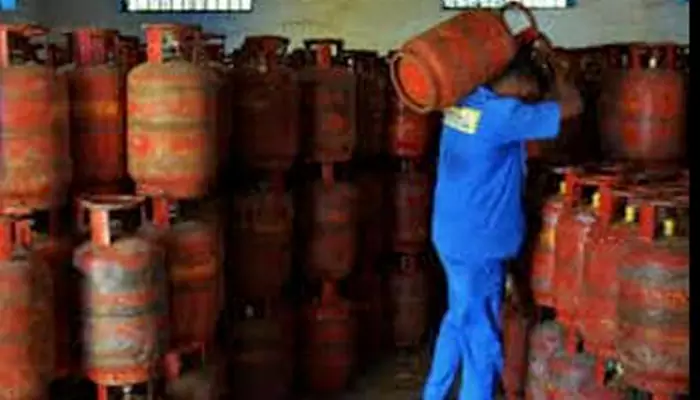
India’s Cooking Gas Rules Are Changing!
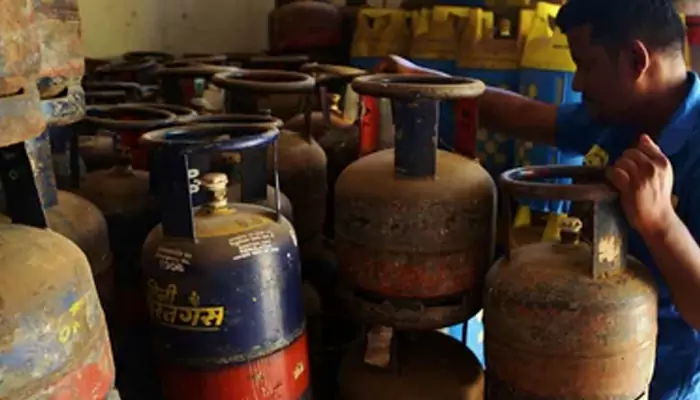
A major shift in India’s cooking gas policy could soon affect lakhs of households across cities. Families that currently use both LPG cylinders and PNG pipelines may now have to make a choice and for many, that could mean giving up their LPG connection entirely.
What Changed: One Household, One Cooking Gas System
The government has started enforcing a rule that discourages households from keeping both LPG cylinders and PNG connections active simultaneously. In areas where PNG infrastructure already exists and is operational, LPG connections may no longer continue.
This policy has legal backing under revised fuel distribution regulations, meaning oil companies and local gas distributors are expected to implement it actively.
Who Is Affected: Households with Dual Gas Access
The rule mainly impacts:
- Urban middle-class households
- Apartment societies connected to PNG pipelines
- Families using LPG as backup fuel
- Consumers in cities with expanding PNG coverage
For many people, the biggest concern is reliability. While PNG offers uninterrupted supply, several households still prefer keeping LPG cylinders for emergencies or outages.
What Happens Next: Shift Toward PNG-Only Homes
As implementation expands, households could face:
- Notices asking them to choose one fuel system
- Stoppage of LPG refill services
- Difficulty obtaining new LPG connections in PNG-covered areas
- Faster expansion of city gas distribution networks
In some states, authorities have already warned that LPG supplies may eventually stop if households refuse to switch despite pipeline availability.
The Bigger Reason Behind the Rule
The timing is linked closely to global fuel concerns. Ongoing geopolitical tensions in West Asia and risks around key oil and gas shipping routes have increased pressure on India’s imported fuel supplies.
PNG is seen as a more stable and manageable urban fuel option because it reduces dependency on cylinder transportation and imported LPG supplies.
Could This Change Daily Life?
Yes, and in several ways:
Families may need to depend fully on pipeline gas
Monthly fuel budgeting could change
Emergency cooking backup systems may disappear
Demand for PNG connections could rise sharply
Some gas companies are already expanding their workforce and infrastructure due to rising PNG demand.
What Households Should Check Now
- Is PNG active in your locality?
- Are you receiving any notices from gas distributors?
- Does your LPG connection remain compliant under new rules?
- Are there any exemptions for specific residential setups?
Being proactive now can prevent confusion later.
Closing Note
India’s cooking gas system is entering a new phase focused on efficiency and supply management. For households, the message is clear: staying updated on these rules is no longer optional, it directly affects your kitchen, your bills, and your daily routine.
.webp)
.webp)
.webp)
.webp)