On This Day (April 21): Babur’s Victory in 1st Battle of Panipat and the Birth of the Mughal Empire
- Soham Halder
- 5 months ago
- 4 minutes read
From Battle to Empire: The Story of Panipat 1526!
History often turns on a single moment, a decision, a battle, or a leader’s vision. One such defining event took place on April 21, 1526, when Babur defeated Ibrahim Lodi in the First Battle of Panipat. This victory didn’t just end a rule; it marked the beginning of the powerful Mughal Empire in India.
Let’s revisit this historic clash that changed the course of Indian history forever.
The Background: A Struggle for Power
In the early 16th century, North India was under the rule of the Delhi Sultanate, led by Ibrahim Lodi.
However, his leadership faced dissatisfaction among nobles and regional rulers. Meanwhile, Babur, a Central Asian ruler with ambitions of expanding his territory, saw an opportunity.
Invited by some factions within India, Babur marched towards Delhi with a clear goal to establish his rule.
The Battle That Changed Everything
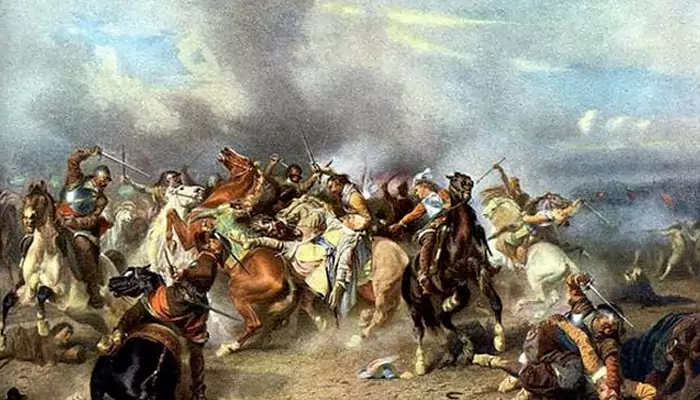
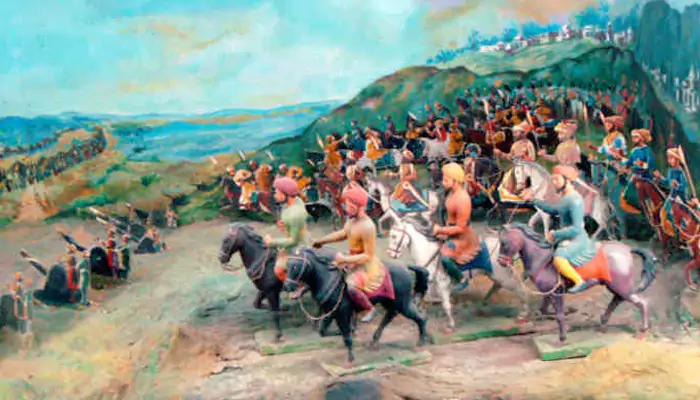
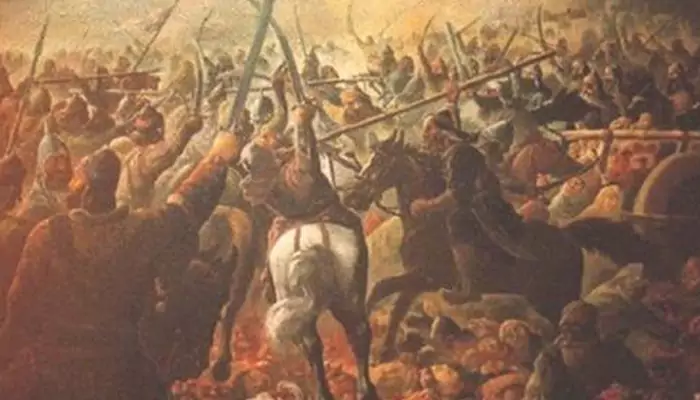
The First Battle of Panipat was fought near present-day Haryana. Despite having a smaller army, Babur introduced advanced military tactics that gave him a significant advantage. He used field artillery and a strategic formation known as the “Tulughma” system, which allowed his forces to outmanoeuvre the enemy.
Ibrahim Lodi’s much larger army struggled to counter these techniques. The result was a decisive victory for Babur, with Lodi losing both the battle and his life.
Why Babur’s Victory Was Significant
This victory was not just about defeating an opponent, it marked the end of the Delhi Sultanate and the beginning of a new era.
Babur’s success laid the foundation for the Mughal Empire, which would go on to become one of the most influential dynasties in Indian history.
From administration to architecture, the Mughals left a lasting impact on the country.
The Birth of the Mughal Empire
After his victory, Babur established his rule in Delhi and Agra, officially founding the Mughal Empire.
Though his reign was relatively short, it set the stage for future rulers like Akbar, Jahangir, and Shah Jahan, who expanded and strengthened the empire.
What began as a single victory soon evolved into a dynasty that shaped India for centuries.
Military Innovation and Strategy
One of the key reasons behind Babur’s success was his innovative approach to warfare. The use of gunpowder, artillery, and strategic formations was relatively new in Indian battles at the time. These techniques gave Babur an edge over traditional armies.
This battle demonstrated how technology and strategy could overcome sheer numbers.
The Long-Term Impact on India
The Mughal Empire played a crucial role in shaping India’s cultural, political, and architectural landscape.
From magnificent monuments to administrative reforms, the influence of the Mughals is still visible today. The empire also contributed to the blending of cultures, creating a rich and diverse heritage.
Why This Day Still Matters
April 21 is not just a historical date, it’s a reminder of how a single event can redefine a nation’s future.
The First Battle of Panipat highlights the importance of strategy, leadership, and timing in shaping history.
It also shows how moments of conflict can lead to long-lasting change.
A Turning Point in Indian History
As we look back at First Battle of Panipat, it’s clear that this was more than just a battle, it was a turning point. Babur’s victory not only established his rule but also paved the way for a new chapter in India’s story. The rise of the Mughal Empire brought changes that influenced generations to come. Even today, the legacy of this moment continues to be studied, discussed, and remembered as one of the most significant events in Indian history.