Beyond the Spotlight: Hidden Sites That Reflect Shivaji Maharaj’s Legacy
- Soham Halder
- 7 months ago
- 4 minutes read
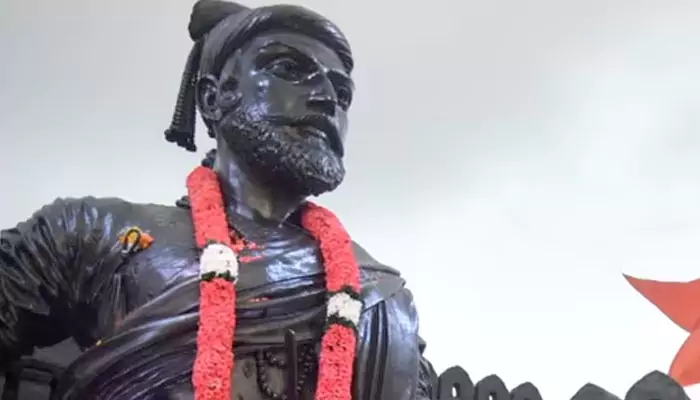
Not Just Raigad: Lesser-Known Places That Tell Shivaji’s Story!
When we think of Chhatrapati Shivaji Maharaj, iconic forts like Raigad and Pratapgad instantly come to mind. These grand landmarks attract thousands of visitors each year and rightly so. But beyond the spotlight lies a quieter, lesser-known heritage trail that reflects the depth of his vision, courage, and governance.
If you truly want to understand Shivaji Maharaj’s legacy, sometimes you need to step away from the crowds.
Let’s explore the hidden sites that still echo with stories of Swarajya.
- Panhala Fort’s Secret Escape Route
While Panhala Fort is relatively known, few visitors explore its legendary escape route, the Andhar Bavadi (Hidden Well).
This architectural marvel wasn’t just a water source. It served as a concealed escape path during enemy attacks. Shivaji Maharaj’s strategic brilliance shines here, planning not just for victory but survival.
Standing inside its cool stone corridors, you can almost imagine the tension of those critical moments when strategy meant life or death.
It’s a reminder that his strength wasn’t just in open battle, but in intelligent planning.
- Sindhudurg’s Lesser-Visited Corners
Many know Sindhudurg as a sea fort, but fewer people explore its inner details. Within its walls lies a rare temple dedicated to Shivaji Maharaj himself — one of the very few in India.
The fort’s hidden entrances and cleverly disguised pathways reflect his unmatched military foresight. Built in the Arabian Sea, Sindhudurg symbolizes maritime dominance, a bold statement during the 17th century.
Away from tourist rush hours, the sound of waves hitting the fort walls feels like history speaking softly.
- Shivneri Fort’s Quiet Corners
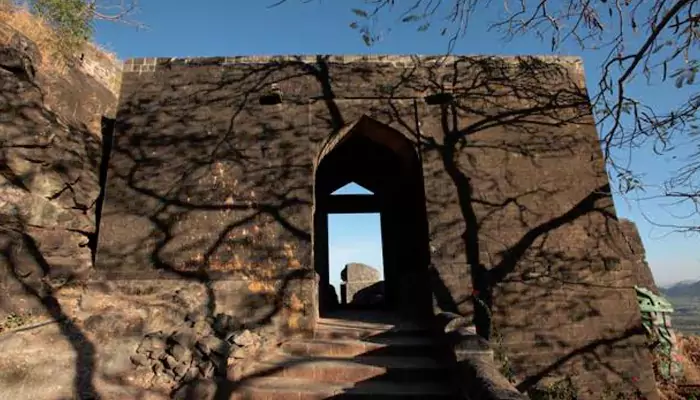
Shivneri is famous as the birthplace of Shivaji Maharaj. Yet many visitors focus only on the main structure and miss the surrounding caves and water systems.
These smaller architectural details reveal something powerful sustainability. The fort’s water storage systems ensured survival during long sieges.
In an era without modern engineering tools, such planning reflects governance rooted in foresight and responsibility.
- Rajgad’s Hidden Trails
Before Raigad became the capital, Rajgad served as the centre of Swarajya for nearly 26 years.
Unlike more commercialised forts, Rajgad’s trekking paths remain raw and less crowded. The Padmavati Machi and Suvela Machi offer stunning views — but they also tell stories of military vigilance.
Walking these trails feels immersive. You’re not just sightseeing; you’re retracing strategic pathways once guarded by Maratha warriors.
- Korlai Fort: A Coastal Guardian
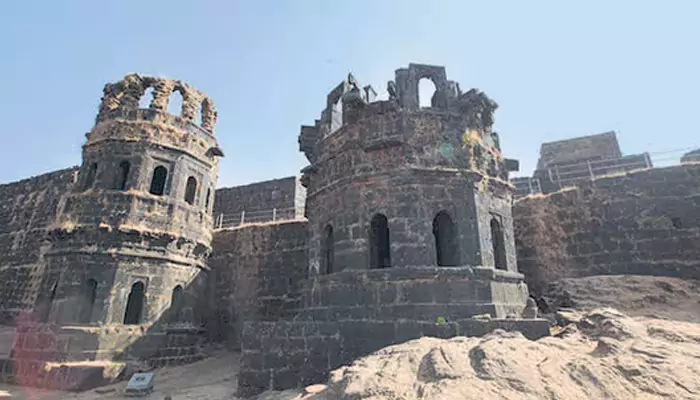
Overlooking the Arabian Sea near Alibaug, Korlai Fort is rarely associated directly with Shivaji Maharaj in mainstream narratives. However, it played a significant role in the broader coastal defense strategy of the Marathas.
This fort highlights Shivaji Maharaj’s understanding that Swarajya extended beyond land, it included maritime security.
Today, it stands peacefully, often overlooked. Yet it symbolizes a larger defensive network that protected trade routes and coastal communities.
Why These Hidden Sites Matter
History is not just about grand monuments. It’s also about the smaller, quieter places where real strategy unfolded.
These lesser-known locations show us:
- His focus on sustainable resources
- His advanced military architecture
- His maritime awareness
- His long-term governance vision
They reveal a ruler who wasn’t just brave, but deeply thoughtful.
In today’s fast-paced world, visiting these hidden sites offers something rare perspective.
A Legacy Beyond Battles
Shivaji Maharaj’s story is often told through dramatic victories and powerful coronation moments. But his true legacy also lies in:
- The wells that never ran dry
- The escape routes that saved lives
- The forts positioned for defense, not display
- The quiet planning rooms where strategy was born
When you explore beyond the spotlight, you discover the administrator, the planner, the visionary, not just the warrior.
India’s history is layered. And Shivaji Maharaj’s legacy is no exception.
The next time you plan a heritage trip in Maharashtra, consider stepping off the popular itinerary. Visit the quieter forts. Walk the less-trodden paths. Pause in the hidden chambers.
Because sometimes, the most powerful stories aren’t carved in large letters.
They’re etched in silent stones. And in those stones, the spirit of Swarajya still stands strong.