
What Really Happens When a New Govt Takes Over & Why It Matters to You
- Soham Halder
- 5 months ago
- 3 minutes read
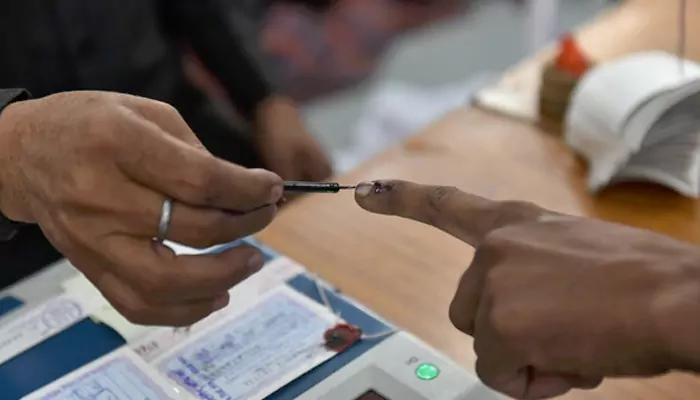
The Results Are Out, But What Changes Now?
With the Assembly Election 2026 results declared, the spotlight quickly shifts from campaigning to governance. While headlines focus on winners and numbers, the bigger question for most people is simple: what actually changes after a new government takes charge and how does it affect your daily life?
What Changed: From Results to Responsibility
Once the results are announced, the transition begins almost immediately. The new leadership takes the oath, followed by the formation of the cabinet, where key ministries like finance, home, education, and health are assigned.
This marks the official transfer of decision-making power. Files, pending approvals, and ongoing projects are handed over to the new leadership, ensuring governance doesn’t stop even for a day.
Who Is Affected: More Than Just the Political System
This transition impacts multiple layers:
- Citizens relying on public services like transport, healthcare, and utilities
- Government employees adjusting to new leadership and priorities
- Businesses and investors watching for policy signals
- Students and job seekers tracking education and employment policies
In short, even if you didn’t follow the election closely, the outcome still connects to your everyday life.
What Happens Next: The First Few Weeks Are Crucial
The early days of a new government are all about setting direction. Here’s what typically unfolds:
- Policy Review: Existing schemes and projects are reassessed, some continue, others may be modified or paused
- Administrative Reshuffle: Senior officials and department heads may be transferred to align with new priorities
- First Announcements: Early decisions often signal focus areas, such as infrastructure, welfare, or economic growth
- Budget Planning: Financial priorities begin to take shape, influencing future spending and development
These steps determine how quickly governance stabilises and moves forward.
Inside the Handover: How the System Keeps Running
One important thing to understand is that governance doesn’t restart from zero. The administrative system ensures continuity. Bureaucrats and civil servants play a key role in:
- Briefing new ministers on ongoing work
- Managing file transfers and approvals
- Keeping essential services running without disruption
This structured handover ensures that even during political change, your daily services, like electricity, water, and transport, continue smoothly.
Why This Matters Today
This transition phase can directly affect:
- Speed of services: Approvals or projects may slow briefly during adjustments
- Policy direction: New decisions can influence prices, jobs, and development
- Public schemes: Some benefits may change, expand, or be restructured
- For citizens, this is the phase where signals turn into action.
Change Is Immediate, Impact Is Gradual
A new government taking charge is more than a political moment, it’s a shift in how decisions are made and priorities are set. While the system ensures stability, the real impact unfolds over weeks and months.
For you, the key is simple: stay informed, watch early decisions, and understand how they connect to your daily life, because governance doesn’t just change at the top, it shapes what happens around you.

.webp)
.webp)
.webp)
.webp)