Mansoor Ali Khan Pataudi Birth Anniversary: The Nawab Who Changed Indian Cricket’s Attitude Forever
- Soham Halder
- 9 months ago
- 5 minutes read
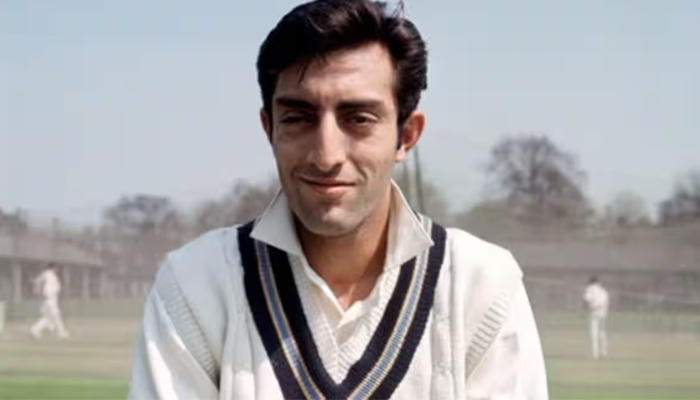
The prince who taught India to compete without fear.
Every year, the cricketing world remembers Mansoor Ali Khan Pataudi on his birth anniversary, not just as a stylish batsman or a royal figure, but as a trailblazing captain who reshaped the spirit and attitude of Indian cricket. Affectionately known as Tiger Pataudi, his influence went far beyond runs and victories; he transformed how India approached the game on foreign soil and instilled a sense of fearless competitiveness that became the foundation for future generations.
A Tiger Born: Cricketing Royalty With a Warrior’s Resolve
Born into the illustrious family of the Nawabs of Pataudi, Mansoor Ali Khan seemed destined for a life of privilege. But destiny had bigger plans for the young prince. A gifted batsman from his school days, Pataudi’s early life was marked by promise and potential. That promise was tested brutally when a car accident in 1961 left him with serious damage to his right eye, a setback that would have ended many sporting careers. Yet, his resolve remained unbroken.
Despite this adversity, Pataudi learned to play with one functional eye, a feat that not only demonstrated his courage but also foreshadowed his mental strength as a leader on the field.
Youngest Captain, Boldest Mindset
At just 21 years and 79 days old, Pataudi became the youngest captain in Test cricket history, leading India with confidence and charisma at a time when the team was largely seen as underdogs.
It was under his captaincy that India began to shed its reputation as a team content with drawing matches or playing safe. Pataudi introduced aggression, belief, and strategic confidence into an Indian side that had often been hesitant in foreign conditions.
He backed players to perform to their strengths, especially spinners, and encouraged a team ethos where courage and cricketing intelligence were celebrated, a stark contrast to the more conservative approaches of earlier years.
First Overseas Test Win: A Defining Moment
One of the most significant milestones of Pataudi’s leadership was India’s first-ever Test match win overseas. In the 1967–68 tour of New Zealand, India secured a historic victory at Carisbrook in Dunedin, a monumental achievement considering the challenges of pace and unfamiliar conditions.
This triumph was more than just a statistical first; it was a cultural watershed. It signaled to Indian cricketers and fans alike that India could win abroad, not just at home or in spin-friendly stadiums. The series win that followed, with victories in Wellington and Auckland, further cemented the team’s belief in its own capabilities.
Style, Grace and Aggression: The Tiger’s Unique Blend
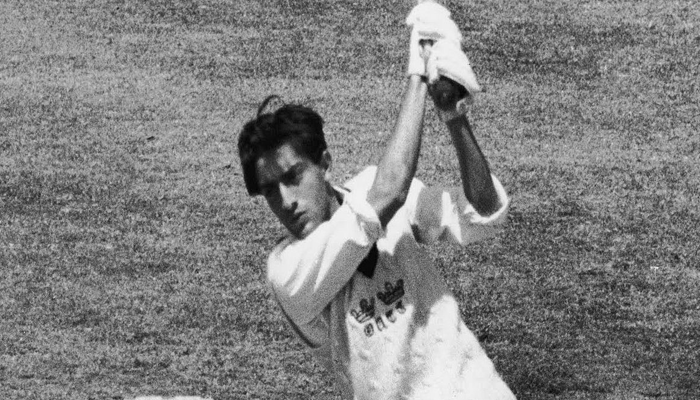
Pataudi’s style on the field was a blend of royal poise and competitive aggression. As a batsman, he scored 2,793 runs in 46 Tests with six centuries and sixteen fifties, an impressive record especially considering his visual impairment from a young age.
But perhaps what stood out the most was his fielding attitude: sharp, agile, and fearless, helping change Indian cricket’s approach to fielding standards. His teammates often spoke about how his aggressive attitude rubbed off on them, creating a culture where Indian cricketers began to field and bat with confidence rather than caution.
Beyond the Pitch: A Legacy of Leadership
Pataudi’s impact wasn’t limited to match results. His leadership style emphasized conditioning, self-belief, and tactical innovation, values that became core to the Indian cricket philosophy in later decades. Though his captaincy win percentage might not dazzle in raw numbers, his influence on team ethos and mentality made him legendary.
He nurtured talents and encouraged players to embrace responsibility, helping figures like Sunil Gavaskar and the famed Indian spin quartet flourish under his captaincy.
A Personal and Cultural Icon
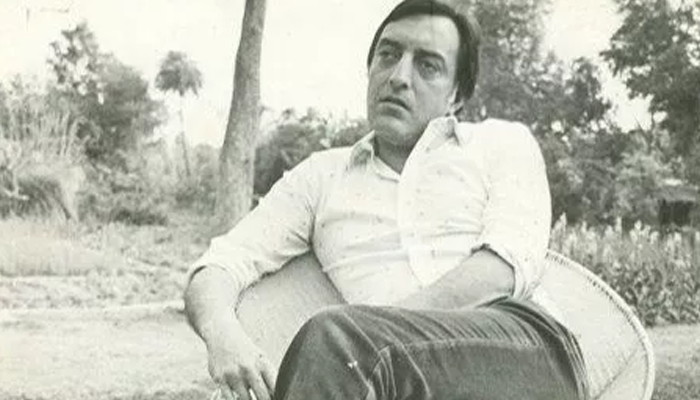
Off the field, Pataudi’s life was equally compelling. His marriage to Bollywood actress Sharmila Tagore in 1968 fused sports and cinema in the public imagination, while his own dignified personality, regal yet humble, made him a beloved national figure.
Although his royal title was abolished in 1971 when India’s princely entitlements were ended, Pataudi remained a revered figure in Indian culture and cricketing circles until his passing in 2011.
The Tiger’s Legacy: Inspiring Generations
On his birth anniversary, tributes pour in from every corner of the cricketing world, from veterans who played alongside him to modern legends who grew up idolizing his grit and leadership. Many credit him for laying the groundwork that helped India evolve from a cautious team into a competitive force capable of challenging the best.

His legacy is also preserved in the annual MAK Pataudi Memorial Lecture, established by the BCCI to honour his contribution to Indian cricket.
Conclusion: A Nawab With the Heart of a Tiger
Mansoor Ali Khan Pataudi was not just a captain or a cricketer, he was a game changer. He brought aggression where there was hesitance, belief where there was doubt, and style where there was convention. His life story, marked by adversity, courage, and charisma continues to inspire Indian cricket and its followers.
On this birth anniversary, we remember not just the runs he scored, but the attitude he instilled, one that forever altered the destiny and self-belief of Indian cricket.