A Parade of Diplomacy: Remembering Global Leaders at India’s Republic Day
- Soham Halder
- 8 months ago
- 4 minutes read

India’s Republic Day, the world’s front row seat!
India’s Republic Day is a spectacle of military precision, cultural pride, and constitutional values. But beyond the marching contingents and dazzling tableaux lies another powerful narrative—diplomacy in action. Every year, when a foreign head of state takes the chief guest’s seat at Kartavya Path, it sends a message far louder than words.
Republic Day has quietly evolved into one of India’s most effective tools of soft power, where protocol, symbolism, and strategic intent converge on a single ceremonial stage.
Why the Chief Guest Matters
The tradition of inviting a foreign leader as the chief guest on Republic Day is not merely ceremonial. It reflects India’s diplomatic priorities at a given moment in history. The choice often signals strengthening partnerships, new strategic alignments, or reaffirmation of long-standing ties.
From Cold War balancing acts to today’s multipolar world, Republic Day invitations have mirrored India’s foreign policy journey with remarkable clarity.
Historic Global Leaders Who Shaped the Tradition
One of the earliest and most significant moments came in 1950, when Indonesia’s President Sukarno became the first chief guest. It symbolised solidarity among newly independent nations navigating a post-colonial world.
Over the decades, Republic Day has welcomed an impressive list of global leaders, Queen Elizabeth II, Nelson Mandela, Jacques Chirac, Vladimir Putin, Shinzo Abe, and Barack Obama, among others. Each visit marked a diplomatic milestone, whether it was strengthening defence cooperation, boosting trade, or deepening cultural ties.
Republic Day as a Mirror of India’s Global Rise
As India’s economic and geopolitical influence expanded, so did the stature of its Republic Day guests. The presence of leaders from major world powers in recent decades reflects India’s growing role as a global decision-maker rather than a passive participant.
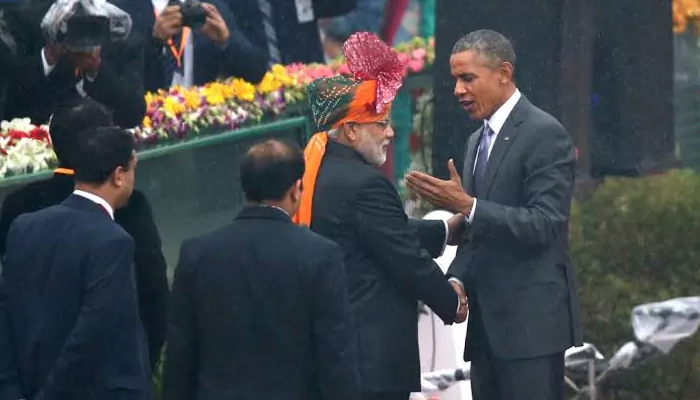
For instance, Barack Obama’s attendance in 2015 was widely seen as a defining moment in India–US relations. It wasn’t just historic, it was symbolic of India’s arrival on the global high table.
The Optics of Diplomacy: More Than Handshakes
Republic Day diplomacy is deeply visual. The chief guest witnesses India’s military strength, indigenous defence capabilities, and cultural diversity in a single morning. This carefully curated experience communicates stability, unity, and preparedness, qualities every nation wants associated with itself.
For Indian citizens, seeing world leaders applaud Indian contingents evokes a quiet sense of pride. For the international community, it reinforces India’s image as a confident, responsible global power.
From Europe to the Indo-Pacific: Changing Diplomatic Focus
A closer look at Republic Day guests over the years reveals shifting diplomatic priorities. Earlier decades saw leaders from Europe and the Soviet bloc. More recently, the focus has expanded to ASEAN nations, Africa, and the Indo-Pacific region, reflecting India’s evolving strategic interests.
This diversification underscores India’s approach to diplomacy, non-exclusive, multi-aligned, and rooted in mutual respect rather than rigid alliances.
Cultural Diplomacy in Motion
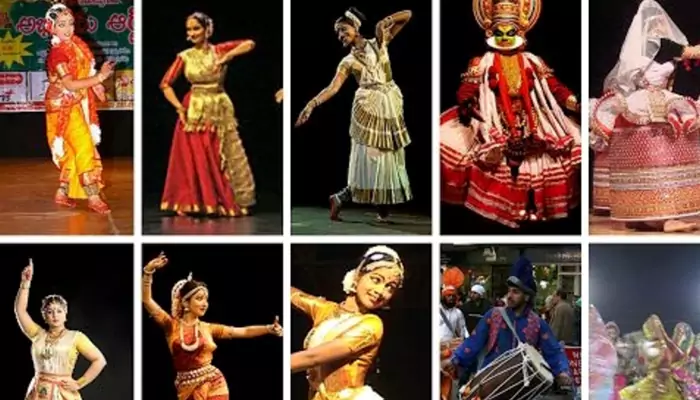
Beyond geopolitics, Republic Day offers a platform for cultural diplomacy. Traditional dances, folk art, and state tableaux present India as a civilisation with deep roots and modern aspirations. For visiting leaders, it’s a reminder that India’s strength lies not only in its economy or military, but in its cultural continuity.
This blend of heritage and progress leaves a lasting impression that formal meetings often cannot.
Why Republic Day Diplomacy Still Matters
In an era dominated by virtual summits and closed-door negotiations, Republic Day stands out for its openness. It humanises diplomacy. It allows citizens to witness international relationships unfold in real time, fostering public awareness of global affairs.
More importantly, it reinforces a simple idea, India’s story is global, and the world is listening.
Republic Day is not just a national celebration; it is a carefully choreographed diplomatic statement. Every salute, every handshake, and every guest seated at Kartavya Path adds a new chapter to India’s international narrative.
As India continues to shape the global conversation, its Republic Day parade will remain a powerful reminder that diplomacy, like democracy, works best when it is visible, inclusive, and rooted in mutual respect.