
From Royalty to Responsibility: Mansoor Ali Khan Pataudi’s Leadership Lessons on His Birthday
- Soham Halder
- 9 months ago
- 5 minutes read
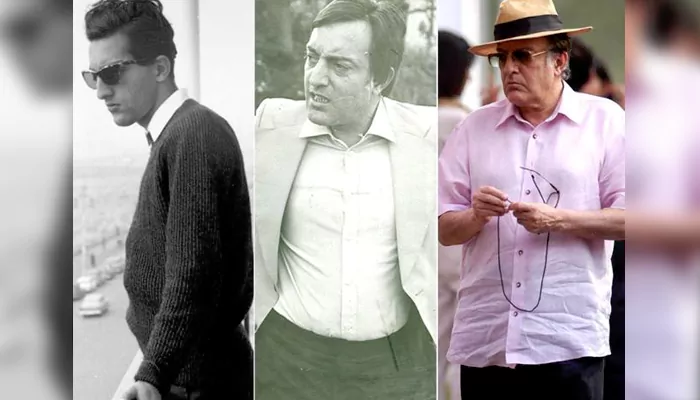
Courage, conviction, and character: lessons from the Tiger.
On his birth anniversary, Mansoor Ali Khan Pataudi is remembered not simply as cricket royalty, he is celebrated as one of Indian sport’s most influential leaders. Known affectionately as Tiger Pataudi, he led Indian cricket through a transformational period where belief replaced hesitation and attitude overshadowed apprehension.
While his title came from heritage, as Nawab of Pataudi; his leadership was earned on the field and etched into the ethos of Indian cricket long after he retired. Today, his journey offers powerful lessons for leaders across fields from boardrooms and classrooms to sports arenas and startups.
Lead With Courage, Not Comfort
Pataudi’s cricket career was marked by an early setback. A car accident in 1961 damaged his right eye. Modern medicine might have fixed it; in the 1960s, it was a near-career-ending injury.
But Tiger didn’t retreat. Instead, he adapted his technique and went on to score almost 2,800 runs in 46 Tests, including six centuries, remarkable numbers for someone playing with limited vision. His ability to embrace challenge rather than avoid it became the first lesson in leadership:
Leaders don’t wait for perfect conditions; they adapt and compete anyway.

Transform Teams Through Belief, Not Fear
When Pataudi was appointed captain in 1962 at just 21, Indian cricket was cautious and often defensive, especially abroad. India had not yet won a Test match outside its home soil.
Instead of reinforcing fear, Pataudi implanted self-belief.
His captaincy was about:
- Encouraging players to back their skills
- Supporting spinners and batsmen to take initiative
- Valuing character over convention
These shifts helped India secure its first overseas Test win in New Zealand in 1968, a watershed moment that signaled Indian cricket’s ability to compete internationally.
Leadership lesson: Confidence doesn’t guarantee success, but a lack of it guarantees limitations.
Empower Others With Trust and Delegation
Tiger’s leadership wasn’t about dominating decisions. It was about trusting his team members to own their roles.
He backed players like:
- Bishan Singh Bedi
- Erapalli Prasanna
- BS Chandrasekhar
- Gundappa Viswanath
Not for their star power, but for the value they added as specialists. By doing so, Pataudi demonstrated a rare leadership quality:
- Empowering a team elevates performance more than centralised control.
- Modern leadership research echoes this: teams with autonomy often outperform those driven by micromanagement.
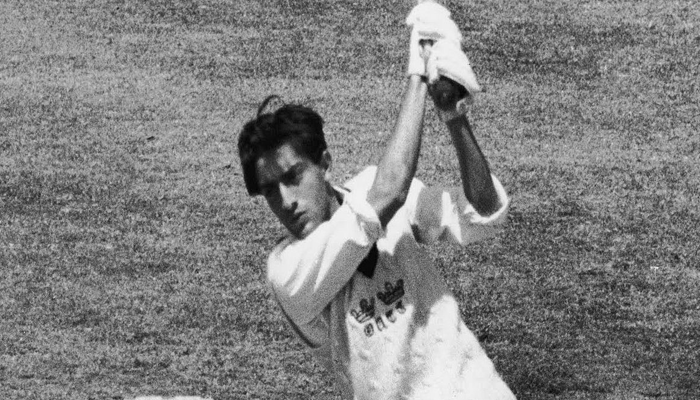
Be Accessible, Not Distant
Leadership is often associated with authority. But Tiger Pataudi’s approach was refreshingly human.
Despite his royal background, he was warm, engaging, and accessible to his teammates, peers, and younger players. He didn’t lead from an ivory tower, he led alongside his team.
Whether warming up shy rookies or discussing strategy in the dressing room, his presence said:
“I am with you, not above you.”
This kind of empathy built trust, the currency of effective leadership.
Reframe Failure as Feedback
Not every match or series under Pataudi was a win, but every setback was treated as learning material, not shame.
When India struggled overseas, he didn’t blame conditions or opponents. Instead, he asked questions like:
- What can we learn from this?
- How can we prepare better next time?
- What did today teach us about ourselves?
His mindset mirrors modern leadership frameworks that treat failure as data, not defeat.
Leaders who learn faster win sooner.
Legacy Is Built on Values, Not Titles
After the Indian government abolished royal titles in 1971, Pataudi’s formal designation as Nawab ceased. But that didn’t diminish his influence. Instead, his leadership legacy endured and continues to be cited by younger captains, coaches, and players.
This teaches a crucial truth:
Leadership legacy isn’t tied to a title, it’s tied to values.
Empathy, confidence, courage, and empowerment, these were Tiger’s enduring contributions to Indian cricket culture.
Inspire Beyond the Playing Field
Pataudi wasn’t just a sportsman, he was a cultural figure. Married to Bollywood legend Sharmila Tagore, he connected two worlds: sport and cinema. But even beyond celebrity crosses, he remained grounded in purpose.
He inspired millions not by glamour, but by grit. As a regal figure who embraced responsibility over privilege, he became a symbol of servant leadership the idea that leaders exist to serve their teams and causes, not the other way around.

Tiger’s Timeless Teachings
On his birth anniversary, the celebration of Mansoor Ali Khan Pataudi is not just about runs scored or matches won. It’s about how he led with heart, evolved through adversity, and redefined Indian cricket’s attitude at a time when belief was more critical than technique.
Whether in sports, corporate corridors, or everyday life, Pataudi’s leadership lessons are timeless:
- Lead with courage
- Believe before you achieve
- Empower, don’t overpower
- Treat failure as insight
- Build legacy through values
From royalty to responsibility, Tiger Pataudi’s journey reminds us that leadership isn’t learned, it’s lived.