Birthday Special: From Petrol Pump Attendant to India’s Business Icon Dhirubhai Ambani’s Incredible Rise
- Soham Halder
- 9 months ago
- 3 minutes read
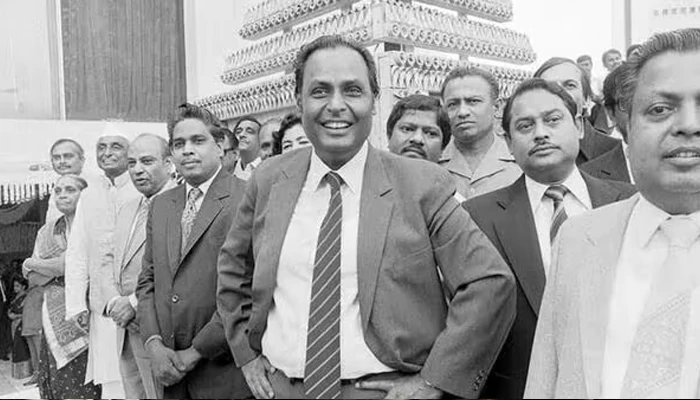
Before unicorns, there was Dhirubhai.
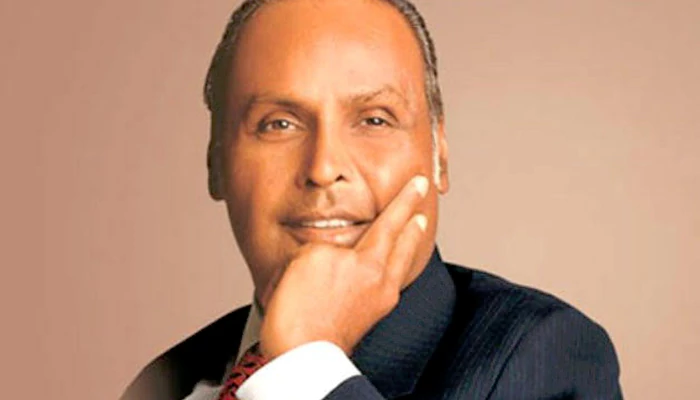
Dhirajlal Hirachand Ambani, fondly remembered as Dhirubhai Ambani, was not born into wealth, privilege, or powerful networks. Born on December 28, 1932, in Chorwad, Gujarat, his early life reflected the realities of a modest household. As a teenager, he sold snacks to pilgrims and later worked as a petrol pump attendant in Aden (now Yemen), a job far removed from boardrooms and billion-dollar dreams.
But what set Dhirubhai apart was not circumstance; it was conviction. Even while filling fuel tanks, he observed how global trade worked, how margins were created, and how trust powered commerce. Where others saw routine, he saw opportunity.
The Birth of Reliance: Risk Over Comfort
Returning to India in the late 1950s, Dhirubhai launched Reliance Commercial Corporation with a modest capital and a bold vision: to make Indian products competitive on the global stage. Starting with spices and polyester yarn, he quickly realised that scale was the true game-changer.
At a time when Indian business was dominated by family monopolies and closed doors, Dhirubhai chose a radical path: public participation. His belief was simple yet revolutionary: ordinary Indians deserved a share in India’s growth story.
This belief would soon disrupt the entire financial ecosystem.
Turning Shareholders into a Movement
Dhirubhai Ambani didn’t just build factories; he built faith. In the 1970s and 80s, when investing in shares felt intimidating to the middle class, he stepped out to address them directly, often in Hindi.
Reliance’s IPOs turned first-time investors into lifelong believers. People queued up not because they understood balance sheets, but because they trusted the man. The phrase “Reliance ka share” became synonymous with aspiration, security, and pride.
In many ways, Dhirubhai democratized capitalism in India long before startup culture made it fashionable.
Challenging the System, Not Just Competitors
Dhirubhai’s rise was not without resistance. He navigated the infamous License Raj, political pressures, and public scrutiny with unshakeable resilience. Critics questioned his aggressive expansion, while admirers praised his audacity.
Yet, history shows that every challenge strengthened his resolve. His ability to think big in a small-minded era changed how Indian businesses approached scale, manufacturing, and vertical integration.
Reliance soon expanded into textiles, petrochemicals, energy and eventually became a backbone of India’s industrial growth.
The Man Who Thought Decades Ahead
Perhaps Dhirubhai Ambani’s greatest gift was foresight. He didn’t chase trends; he anticipated them. He believed India’s future lay in self-reliance, technology, and infrastructure ideas that still guide the Reliance empire today.
His vision laid the foundation for what his successors would later expand into telecom, retail, and digital services sectors that now shape everyday Indian life.
A Legacy That Still Teaches India to Dream
Dhirubhai Ambani passed away in 2002, but his influence remains deeply woven into India’s economic fabric. More than wealth, he left behind a philosophy: dream fearlessly, include the masses, and never underestimate India’s potential.
His most quoted belief still resonates today:
“If you don’t build your dream, someone else will hire you to help build theirs.”
For millions of Indians from small investors to ambitious founders, Dhirubhai Ambani isn’t just a business icon. He is proof that background doesn’t define destiny.